
Russia Violates Ukraine Ceasefire as Attacks Intensify in Ukraine Conflict
Ukraine accuses Russia of violating a ceasefire that Kyiv initiated, escalating tensions in the ongoing conflict Ukraine.[1] Ukrainian officials have pointed to a pattern of Russian military actions that undermine peace initiatives, even as both sides have floated unilateral truce proposals amid heightened hostilities.[4] In the latest developments, Russia's forces have reportedly doubled assaults on key fronts, while Kyiv's leadership decries Moscow's duplicity in pursuing military parades over genuine de-escalation.[2][3] These events underscore the fragile state of negotiations on the 1533rd day of Russia's aggression against Ukraine, with 186 military clashes documented in recent reporting.[3]
Ceasefire Initiation and Alleged Violations
Ukraine took the proactive step of initiating a ceasefire in a bid to foster de-escalation in the conflict Ukraine, only for Russian forces to allegedly breach it shortly thereafter.[1] According to reports, Kyiv's unilateral move was intended to create space for diplomatic progress, reflecting a strategic effort by Ukrainian authorities to demonstrate commitment to peace amid prolonged hostilities.[1] However, this initiative quickly faced challenges as Russian military activities persisted, leading to direct accusations from Ukrainian officials that Moscow disregarded the truce parameters.[1][4]
The context of this violation ties into broader patterns observed in the conflict Ukraine, where unilateral gestures have failed to halt combat operations.[4] Ukrainian statements emphasize that the ceasefire proposed by Kyiv was a sincere attempt to reduce violence, particularly in contested areas where clashes have intensified.[1] Russia's alleged non-compliance has been framed as a deliberate tactic to maintain pressure on Ukrainian positions, complicating any momentum toward mutual agreements.[1] This development highlights the difficulties in enforcing self-declared truces without reciprocal commitments, as initial hopes for a temporary lull were dashed by continued engagements.[4]
Further detailing the breach, sources indicate that Russian forces did not honor the cessation of hostilities initiated by Ukraine, resuming or maintaining offensive actions that contradicted the spirit of the proposal.[1] This has prompted Kyiv to publicly call out the violations, positioning them as evidence of Moscow's lack of interest in sustainable peace.[1][4] The rapid breakdown of the Kyiv-led ceasefire serves as a stark reminder of the trust deficit between the two sides, where one party's olive branch is met with skepticism and counter-moves on the battlefield.[4] Analysts reviewing these events note that such incidents erode confidence in future initiatives, potentially prolonging the cycle of accusation and retaliation.[1]
In examining the timeline, the ceasefire's initiation by Ukraine preceded immediate reports of non-adherence by Russia, setting the stage for heightened rhetorical exchanges.[1] This sequence of events has been pivotal in shaping the narrative around responsibility for stalled peace efforts, with Ukraine leveraging the violation claims to rally international attention.[4] The alleged breaches not only undermined the specific truce but also cast doubt on Russia's broader intentions, especially as parallel truce announcements emerged with differing timelines.[4]
Statements from Ukrainian Leadership
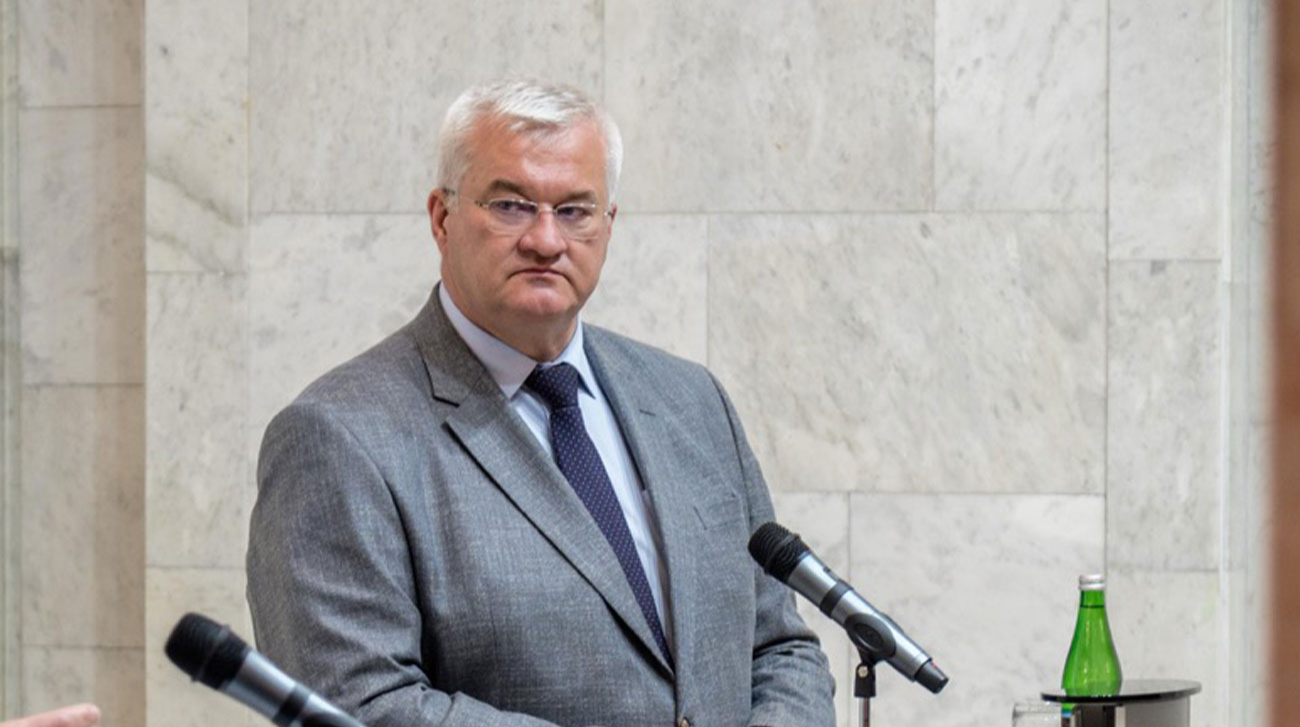
Ukrainian Foreign Minister has sharply criticized Russia for derailing peace efforts, stating that Moscow prioritizes parades over genuine ceasefires.[2] In pointed remarks, the minister described Russian calls for a Victory Day ceasefire as "fake," accusing President Putin of focusing on spectacles rather than substantive de-escalation.[2] This rhetoric underscores Kyiv's frustration with what it perceives as performative diplomacy from the Russian side.[2]
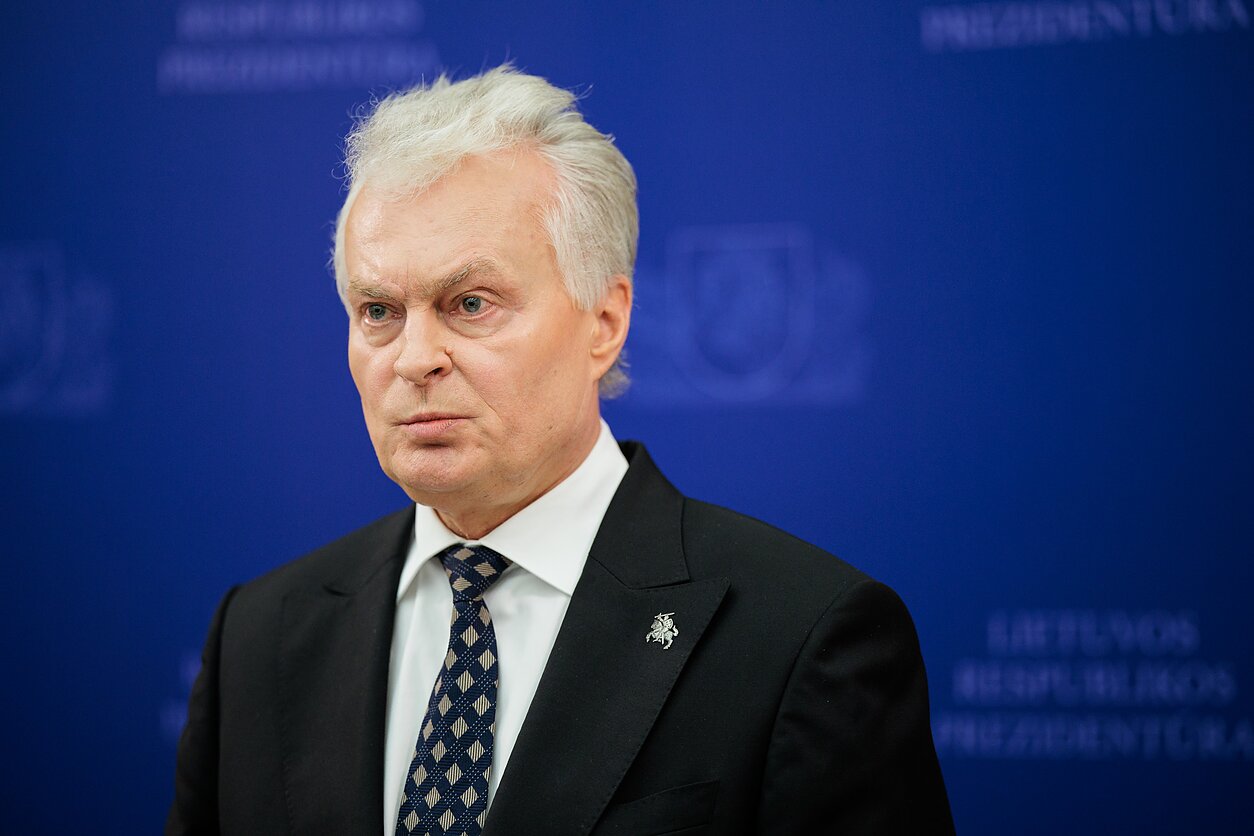
President Volodymyr Zelensky has similarly condemned Russia's actions as "utter cynicism," highlighting the contradiction of launching deadly attacks while proposing truces.[4] Zelensky's comments, delivered ahead of Moscow's May 9 Victory Day parade, frame these moves as hypocritical, aimed at enabling domestic celebrations rather than advancing conflict resolution.[4] Ukrainian leadership's unified messaging portrays Russia as the primary obstacle to peace, with the foreign minister echoing calls for intensified international pressure.[2]
These statements from Ukrainian officials provide a window into Kyiv's strategic communication amid the conflict Ukraine, emphasizing moral high ground and the need for accountability.[2][4] The foreign minister's assertion that Putin "cares only about parades" encapsulates a narrative of misplaced priorities, where military parades take precedence over halting aggression.[2] Zelensky's "utter cynicism" label amplifies this, drawing a direct line between battlefield violence and Russian propaganda efforts.[4]
Delving deeper, the remarks reflect a calculated response to Russian proposals, positioning Ukraine as the proponent of authentic ceasefires.[2] By labeling Victory Day truce calls as insincere, Ukrainian leaders aim to expose discrepancies in Moscow's behavior, where truce rhetoric coexists with escalated assaults.[4] This dual critique—on motivations and actions—serves to bolster Ukraine's position in the information space of the conflict Ukraine.[2]
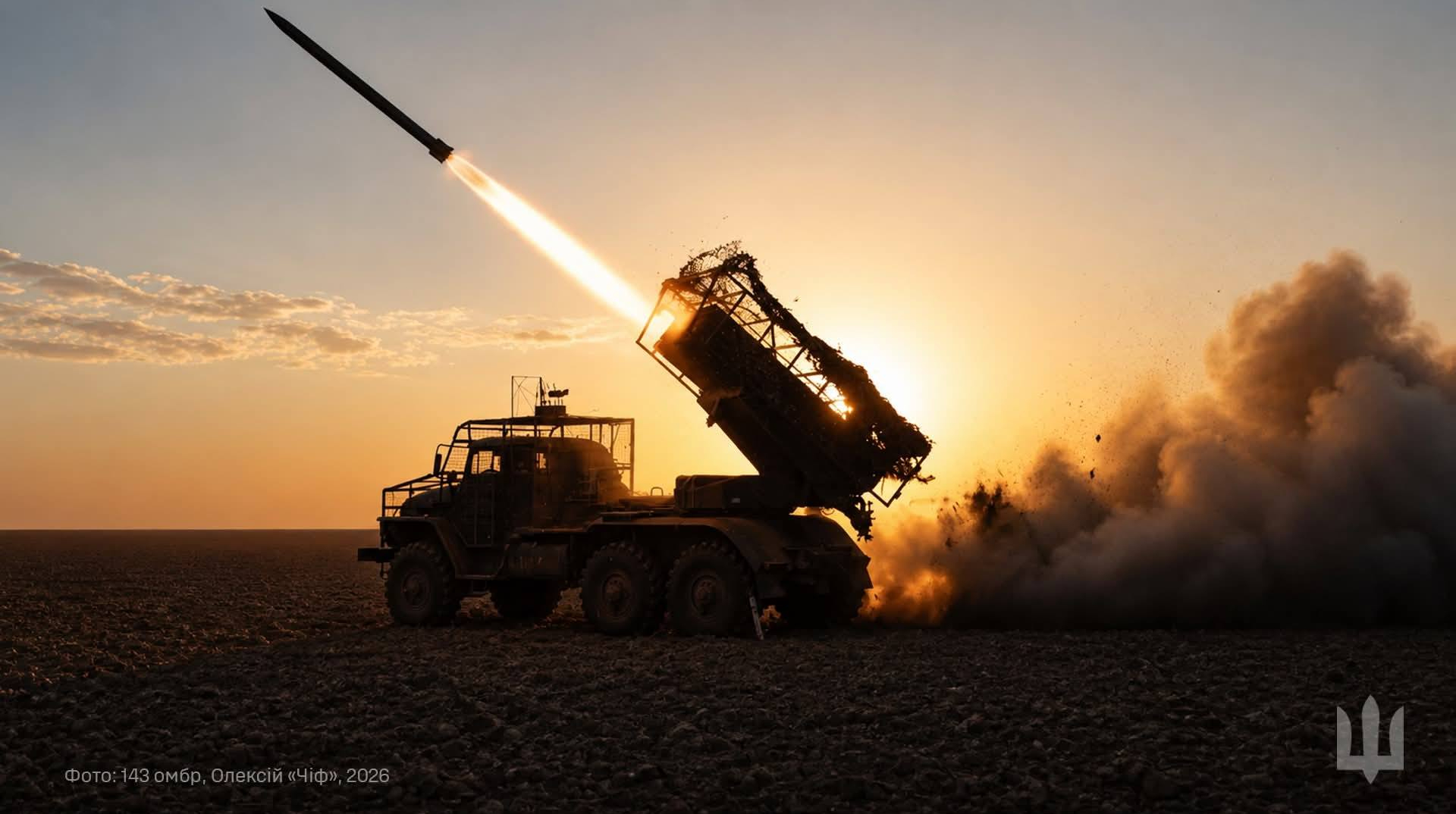
Russian forces double attacks on Pokrovsk front, as reported by Ukraine's General Staff. — Source: ukrainskapravda
Recent Military Developments
Russian forces have doubled the number of attacks on the Pokrovsk front, according to Ukraine's General Staff, marking a significant uptick in hostilities.[3] On the 1533rd day of Russia's large-scale armed aggression against Ukraine, a total of 186 military clashes were reported across the front lines, with the Pokrovsk sector bearing the brunt of intensified Russian efforts.[3]
This escalation on the Pokrovsk front represents a tactical shift, where Russian assaults have increased in frequency, straining Ukrainian defenses in a critical area.[3] The doubling of attacks suggests a concerted push by Moscow to gain ground, potentially timed to coincide with diplomatic posturing around ceasefires.[3] Ukraine's General Staff data provides concrete metrics: 186 clashes in a single day, underscoring the scale of engagements despite any truce discussions.[3]
The Pokrovsk front's prominence in recent developments highlights its strategic importance in the broader conflict Ukraine, serving as a focal point for Russian advances.[3] With attacks doubling, Ukrainian forces have faced sustained pressure, leading to numerous clashes that test logistical and manpower resources.[3] This data from the 1533rd day illustrates the relentless pace of the war, where daily military interactions remain high even amid ceasefire rhetoric.[3]
Analyzing the implications, the intensified activity on Pokrovsk could be interpreted as a response to Ukrainian initiatives or an independent Russian offensive strategy.[3] The 186 clashes reported offer a quantifiable measure of the front's volatility, far exceeding previous benchmarks and signaling no immediate letup.[3] Such developments challenge narratives of de-escalation, providing empirical evidence of ongoing aggression.[3]
Context of Unilateral Truces
Both Moscow and Kyiv have announced unilateral ceasefires for different dates, a move that highlights persistent tensions rather than convergence toward peace.[4] Ukraine's President Zelensky has slammed this as Russian "cynicism," particularly as attacks continue while Moscow seeks a truce for its May 9 Victory Day parade.[4] These separate declarations—unilateral in nature and misaligned in timing—reveal the lack of coordination between the warring parties.[4]
The context of these truces stems from a week of parallel announcements, where each side proposed cessations without mutual agreement, leading to accusations of bad faith.[4] Zelensky's criticism frames Russia's proposal as a facade for parade preparations, allowing deadly strikes to persist in the interim.[4] This disconnect exemplifies the challenges in the conflict Ukraine, where unilateral actions fail to build trust.[4]
France 24 reporting details how these truces, announced over different dates, have instead amplified divisions, with Ukraine viewing Moscow's as opportunistic.[4] The Victory Day linkage ties the truce to domestic Russian events, prioritizing symbolism over cessation of hostilities.[4] Implications include prolonged uncertainty, as mismatched timelines undermine potential for synchronized halts.[4]

Ukrainian President Zelensky condemns Russian cynicism amid ceasefire violations. — Source: france24
Calls for International Response
Ukraine's Foreign Minister has advocated for more pressure and sanctions against Russia in response to the ceasefire breaches and continued attacks.[2] This call aligns with broader criticisms that Moscow is derailing peace initiatives, necessitating stronger global measures to enforce accountability.[2] The minister's remarks position intensified sanctions as essential to counter Russia's focus on parades over peace.[2]
These appeals underscore Kyiv's strategy to internationalize the conflict Ukraine, urging allies to respond to violations with economic and diplomatic levers.[2] By highlighting the "fake" nature of Russian truce proposals, Ukrainian leadership seeks to galvanize support for punitive actions.[2] The push for pressure reflects a belief that only external constraints can compel Moscow toward genuine negotiations.[2]
What to Watch Next
As the conflict Ukraine progresses toward Russia's May 9 Victory Day and the mismatched unilateral ceasefires, observers should monitor whether attacks on fronts like Pokrovsk subside or intensify further, alongside any international reactions to Ukraine's calls for sanctions.[2][3][4] Zelensky's accusations of cynicism may shape upcoming diplomatic exchanges, with potential for escalated rhetoric if violations persist.[4]