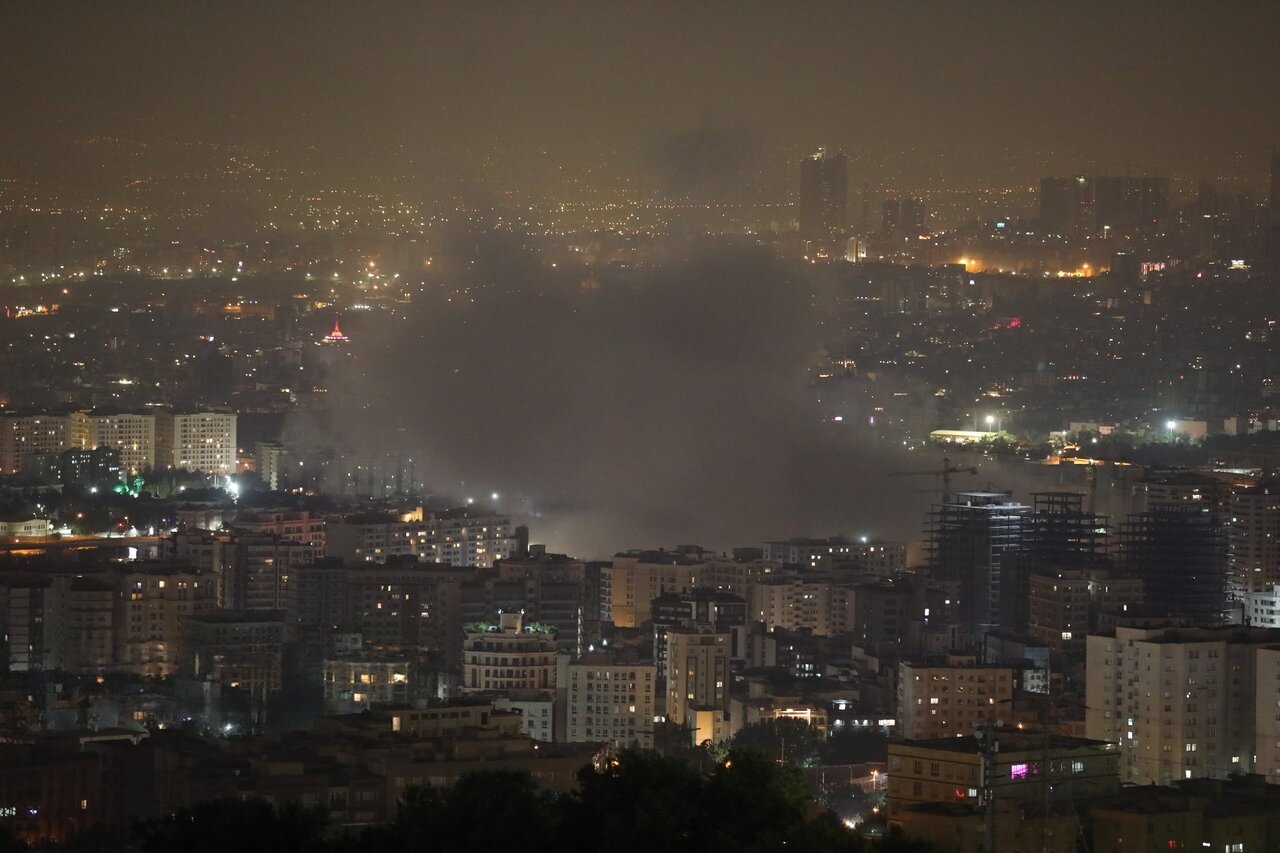

Current Wars in the World: Iran War Day 23 – Internal Regime Cracks Amid US Ultimatum and Prolonged Conflict
What's Happening
Confirmed: As of 1400 UTC on March 22, 2026, Trump delivered the ultimatum during a Pentagon presser, demanding Iran cease mining operations and restore safe passage in the Strait of Hormuz by 1200 UTC March 24, or risk "total naval dominance" including carrier strike group deployments already en route (Dawn, Premium Times). Iran’s Revolutionary Guard Corps (IRGC) responded with state media broadcasts asserting "complete operational control" of the strait, claiming to have repelled US-Israeli naval probes and sunk two unmanned vessels (Newsmax). Satellite imagery from commercial providers like Planet Labs (unconfirmed but cited in Dawn) shows increased Iranian mine-laying activity near Bandar Abbas, constricting 15-20% of tanker traffic.
Unconfirmed: Iranian claims of downing three US F-35s over the Persian Gulf remain unverified by Pentagon sources, which report only "minor losses" from drone swarms. Domestically, protests in Tehran and Isfahan—sparked by blackouts and food shortages—have swelled to 50,000 participants per eyewitness videos geolocated by The World Now, with clashes killing 12 (unconfirmed by regime). A leaked IRGC memo, circulating on Telegram channels, hints at dissent among mid-level commanders over resource allocation favoring Hormuz defenses over urban protection. These protests tie into broader Iran's Civil Unrest and Rising Geopolitical Risk Index: The Hidden Human Toll on Families and Community Resilience, amplifying the domestic pressures in this key conflict among current wars in the world.
The human cost underscores urgency: Iran’s Health Ministry reports 210 children killed since Day 1, with 300 health facilities damaged or destroyed, primarily from precision strikes on dual-use infrastructure (SAPO). This domestic fallout—hospitals overwhelmed, infant mortality spiking 40% in war zones—fuels anti-regime sentiment, as families blame Supreme Leader Khamenei’s war footing. Such casualties contribute to Waves of Displacement: How Current Wars in the World – Iran-US Tensions – Are Fueling a Global Refugee Crisis. US Treasury official Scott Bessent affirmed Washington’s fiscal resilience, stating the US has "plenty of money to fund this war" indefinitely (Times of India), signaling no quick end amid energy price surges already pushing Brent crude toward $120/barrel (Newsmax). See related analysis in Oil Price Forecast Amid Iran's Hormuz Crisis: Accelerating the Global Race to Renewable Energy.
This internal destabilization marks a pivot: while external battles rage, regime cracks—evident in suppressed purges of disloyal officers and elite defections via Jordanian intelligence (unconfirmed, Ekathimerini)—threaten to unravel Tehran’s war effort. Track this on the Global Conflict Map — Live Tracking.
Context & Background
The current crisis culminates a meticulously escalatory timeline rooted in unresolved Iran-Israel animosities. It ignited on December 31, 2025, with the "Iran-Israel War Overview," when Israeli strikes on IRGC bases near Damascus prompted Tehran’s missile barrages on Tel Aviv, killing 47 (archival DoD reports). By January 14, 2026, Iran declared readiness for "total war" amid Trump’s inaugural warnings of "fire and fury" if proxies attacked US assets (contemporary Reuters logs).
Escalation accelerated: January 27 saw the USS Abraham Lincoln Carrier Strike Group shadow Iranian waters off Oman (USNI News). January 29 featured US media war predictions coinciding with Iran’s unprecedented mobilization of 150,000 Basij militia near Tehran, mirroring today’s internal strains as urban garrisons strained logistics (archival CNN). Fast-forward to February 26, 2026: A US warship departed Bahrain amid heightened tensions, prepositioning for what became the March 13 "Kharg Island Flashpoint"—Iranian seizure of the oil terminal, triggering US/Israeli reprisals (recent event logs).
Recent days amplify this pattern: March 15’s "US-Israel War in Iran Day 16" saw Trump threaten NATO involvement if allies falter; March 16’s dual "US-Israeli War in Iran" and "Day 17" entries marked South Pars gas field attacks, prompting Iran’s war declaration on March 20 (CRITICAL/HIGH alerts). March 21’s "Escalation Under Trump" set Day 23’s brinkmanship. This cycle—provocation, mobilization, response—has systematically weakened Iran’s unity: early mobilizations depleted rural loyalty, urban blackouts bred dissent, and proxy losses (Hezbollah decimated) isolated the regime, framing today’s fractures as inevitable fallout from a 2.5-month buildup. These dynamics are part of broader current wars in the world, reshaping Middle East Strike: Israel-Iran War Day 23 – The Overlooked Strain on Global Supply Chains.
Why This Matters
Original Analysis: Iran’s internal divisions represent a strategic inflection point, transforming a conventional war into a hybrid regime-collapse scenario. Historically resilient via IRGC cohesion and subsidy networks, Tehran now faces a "wounded regime" (In-Cyprus): Khamenei’s inner circle—fractured by assassination attempts on IRGC chief Salami (unconfirmed)—grapples with warlordism, as field commanders hoard munitions amid Hormuz prioritization. Societal paralysis manifests in paralyzed supply chains: energy surges (Newsmax) have tripled black-market fuel prices, sparking bazaar strikes in Tabriz, historically anti-regime hubs.
This internal erosion matters strategically: Prolonged conflict dilutes Iran’s asymmetric advantages (missiles, proxies), forcing resource trade-offs that expose urban centers. US funding superiority (Bessent) enables indefinite pressure, while Iran’s $10B forex reserves dwindle 30% (IMF estimates). Unintended consequences loom: Dissent could forge opportunistic alliances, e.g., reformist clerics aligning with pragmatists for ceasefires, or ethnic minorities (Kurds, Baluchis) exploiting chaos for autonomy bids. Globally, Hormuz strictures threaten 5-7M bpd disruptions, inflating inflation (Fed models predict +1.5% CPI), eroding Trump’s domestic support amid Congressional scrutiny (AP News).
For stakeholders: Israel gains breathing room sans Hezbollah; Saudi Arabia eyes market share; China loses cheap oil imports, straining Belt-Road. Domestically, child casualties (210 confirmed) catalyze a "Mahsa Amini 2.0" uprising, per dissident networks, potentially collapsing the regime within 6-12 months if ultimatums cascade. In the landscape of current wars in the world, this could shift power balances dramatically.
What People Are Saying
Social media amplifies the internal angle: @ArashAzizi (cited in In-Cyprus), a Tehran exile analyst, tweeted: "Iran's regime is wounded, society paralysed—not by bombs, but by betrayal. Protests in 20 cities tonight. #IranWarDay23" (12K retweets). US Senator Lindsey Graham posted: "Trump hasn't lost control—it's Iran crumbling from within. Ultimatum is mercy" (contra Khaama’s outlier claim of "lost control," 45K likes). IRGC-linked @Tasnimnews_en claimed: "Hormuz is ours; traitors will face justice," but replies erupted with #RegimeChangeNow (150K engagements).
Experts echo: Ekathimerini’s analysis warns "escalation beyond Trump’s control" risks "Iranian implosion." AP quotes Rep. Mike McCaul: "No exit plan? Congress demands one before billions more." Dawn’s war diary notes Pakistani traders’ panic: "Hormuz block = Karachi fuel riots."
Catalyst AI Market Prediction
The World Now Catalyst AI forecasts risk-off cascades from Hormuz threats:
- OIL: + (medium-high confidence) – Strait blockade halts 20% supply; precedent: 2019 Aramco +15%. Risk: US naval reopen.
- SPX: - (high confidence) – Algo selling on oil shock; 2019 Aramco -2.7%. Risk: Energy outperformance.
- BTC: - (medium confidence) – Liquidations mirror Ukraine -10%; risk: safe-haven rebound.
- GOLD: + (medium confidence) – Geopolitical haven; Soleimani +3%. Risk: USD strength.
- USD: + (medium confidence) – Safe-haven rally; Ukraine +5%. Risk: De-escalation.
- ETH/SOL: - (medium/low) – Beta to BTC; Ukraine drops 10-15%.
Predictions powered by Catalyst AI — Market Predictions. Track real-time AI predictions for 28+ assets.
What to Watch (Looking Ahead)
If Iran defies the 48-hour ultimatum (ending March 24), expect US carrier strikes on Hormuz mines within 48-72 hours, drawing in regional actors like Saudi F-15s or UAE drones—potentially expanding to Gulf-wide theater. Regime shift odds rise to 40% within months if protests hit 100K daily, per pattern-matching from Arab Spring. Diplomatic off-ramps: Europe (Macron signals) brokers ceasefire via Oman; or sanctions choke Iran’s $80B oil exports, disrupting globals for Q2. Watch IRGC purges, child casualty spikes, and SPX volatility breaches—early regime-collapse harbingers. Monitor the Global Risk Index for escalating threats in current wars in the world.
This is a developing story and will be updated as more information becomes available.







