
Current Wars in the World: Middle East Strikes as the Underappreciated Catalyst for Global Proxy Wars and Alliance Realignments - Field Report - 4/8/2026
In the evolving landscape of current wars in the world, recent Middle East strikes have emerged as a pivotal underappreciated catalyst, igniting synchronized proxy conflicts across Ukraine, the Korean Peninsula, and beyond. As of April 8, 2026, a fragile US-Iran ceasefire hangs in the balance amid Iranian missile barrages, Russian airstrikes on Zaporizhzhia, North Korean projectile launches, and erupting protests in Basra and Lebanon. This field report dissects the interconnected escalations, humanitarian toll, market ripples, and forecasts for bloc realignments, drawing from on-the-ground observations and multi-source intelligence.
Current Wars in the World: On the Ground
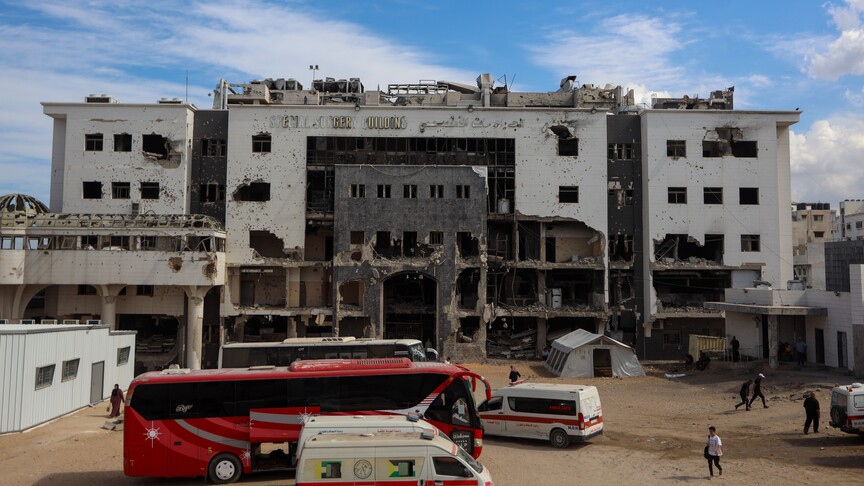
Across the Middle East, a tense calm prevails amid the rubble of recent strikes, with the acrid smell of drone fuel and missile propellant lingering in the air from Iran's latest barrages. In the Gulf, Bahraini and UAE air defenses hum with activity, their radars tracking residual threats after intercepting Iranian drones and missiles as recently as April 3. Kuwait's airport bears scars from a April 1 Iranian drone strike, its runways pockmarked and civilian flights grounded, forcing reliance on regional hubs like Dubai. Basra, Iraq, simmers with rage: protesters stormed the Kuwaiti consulate on April 8 following a rocket attack that killed three, their chants echoing demands for justice amid shattered glass and burning tires. For deeper insights into how these Middle East Strike Ignites Basra's Fury: How Protests and Clashes Are Redefining Iraq's Domestic Security Landscape. In Lebanon, thousands mourned a Christian official killed in an Israeli strike, his funeral on April 8 fueling anti-Hezbollah fury in Beirut's streets, where sectarian tensions threaten to fracture fragile social fabrics.
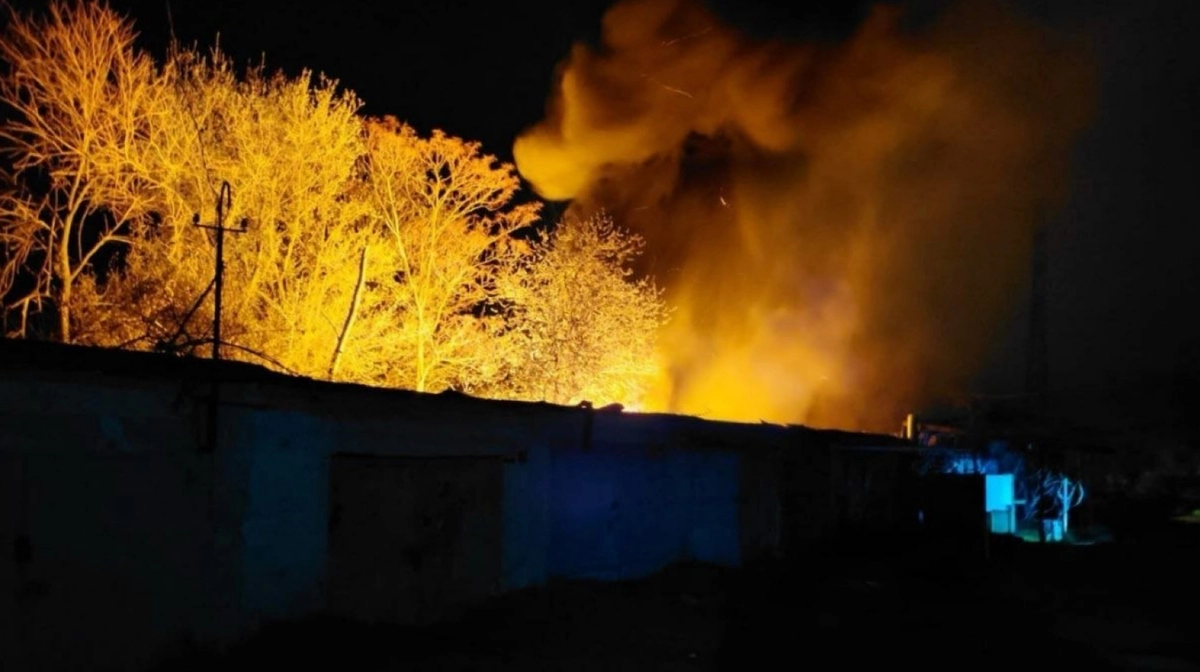
Further afield, the interconnected proxy web tightens. Zaporizhzhia, Ukraine, reels from Russian airstrikes on April 8 that killed one civilian and wounded several, flattening residential blocks and a key power substation—strikes analysts link to opportunistic alignment with Iran's escalations, diverting Western munitions. See related coverage on Russian Strikes Exploit Easter Truce: A Calculated Assault on Ukrainian Holiday Spirit. In East Asia, North Korean coastal batteries belch smoke from back-to-back projectile launches into the East Sea on March 25-26, visible from South Korean ferries, signaling Pyongyang's tacit solidarity with Tehran amid U.S. pressures. Tehran's Kharg Island oil facility smolders from pre-ceasefire attacks, human chains of rescuers forming amid oil slicks, while Gulf states brace for Hormuz chokepoint disruptions.
This tableau underscores the report's unique angle: Middle East strikes are not isolated; they catalyze current wars in the world, forging informal Russia-Iran-North Korea axes that exploit Western distractions. Sources describe dwindling interceptor stocks in Israel and Arab states, with RAF Typhoons downing Iranian drones on April 5, revealing supply chain strains. Protests in Kuwait and Lebanon humanize the strategic calculus—civilian grief amid superpower maneuvering—while market terminals in London and New York flicker with risk-off signals. Track broader implications via our Global Risk Index.
What Changed
Key developments in the last 24-72 hours (as of 4/8/2026), chronological:
- April 6-7: Pre-ceasefire frenzy peaks with Kharg Island attack, human chains rescuing workers, and a public call to Netanyahu for intervention (Hindustan Times). Explosions near U.S. embassy in Tehran heighten threats (Novosti). Details on the US-Iran Ceasefire Amid Middle East Strike: Fueling a Middle East Tech Renaissance.
- April 8, early hours: Trump announces U.S.-Iran ceasefire via social media and statements, but Tehran defies it with a missile barrage toward Israel and Gulf states, intercepted over Bahrain and UAE airspace (Jerusalem Post).
- April 8, morning: Russian Su-34 jets strike Zaporizhzhia and oblast, killing one civilian (woman in apartment block) and injuring at least five; targets include energy infrastructure, per local reports (Ukrainska Pravda).
- April 8, midday: Lebanon holds mass funeral for Christian official Elias Bou Saab, killed in Israeli strike on Hezbollah-linked site; anti-Hezbollah protests surge in Christian-majority areas (AP News).
- April 8, afternoon: Pro-Iranian militia rocket hits Basra, Iraq, killing three; enraged protesters breach Kuwaiti consulate, setting fires and demanding expulsion of Gulf diplomats (Straits Times).
- Concurrent (March 25-26 context, ripple effects noted April 8): North Korea fires unidentified projectiles for second straight day into East Sea, per JCS; Seoul elevates alert, linking to global tensions (Yonhap, AP News, Korea Herald).
These shifts reveal proxy synchronization: Iran's barrage prompts Russian opportunism in Ukraine, North Korean tests distract U.S. Pacific Command, amplifying current wars in the world.
Historical Event Timeline
- March 19, 2026: U.S. F-35 makes emergency landing after being hit by suspected Iranian surface-to-air fire over Syrian airspace, marking initial direct kinetic escalation.
- March 21, 2026: Iran launches missile strikes on U.S.-UK base in eastern Syria and multiple U.S. bases in Iraq/Jordan, damaging hangars and wounding 12 troops; pattern of retaliation for prior U.S. actions emerges.
- March 30, 2026: Iran expands attacks on U.S. bases across Arab states (Bahrain, UAE); strikes damage Middle East aluminum smelters, disrupting industrial output (HIGH impact).
- April 1, 2026: Iranian drone hits Kuwait International Airport, grounding flights; simultaneous strikes on UAE drones and Qatar oil tanker in Gulf (HIGH impact).
- April 3, 2026: Iran conducts broader Middle East strikes; Bahrain intercepts drones/missiles headed for U.S. assets (HIGH impact).
- April 5, 2026: RAF Typhoons down multiple Iranian drones over Iraq/Jordan; reports of dwindling Israeli/U.S. interceptor stocks amid sustained barrages (MEDIUM impact).
- March 25-26, 2026: North Korea fires unidentified projectiles/missiles into East Sea for two days, amid rising Middle East tensions (contextual alignment).
- April 8, 2026: Trump ceasefire announcement coincides with Iranian barrage, Russian Zaporizhzhia strikes, Lebanese protests, Basra incident—solidifying multi-actor proxy dynamics.
This timeline frames Iranian aggression as foundational, evolving from direct U.S. confrontations to proxy enlistment of Russia/North Korea in current wars in the world.
Humanitarian Impact
Civilian toll mounts amid proxy crossfire. In Zaporizhzhia, Russian strikes on April 8 killed one woman and injured five, including children; rescuers pulled survivors from a collapsed five-story building, with power outages affecting 20,000 (Ukrainska Pravda). Lebanon's Christian official, killed in an Israeli strike targeting Hezbollah, sparked funerals attended by 10,000; anti-Hezbollah anger risks sectarian clashes displacing thousands in Beirut suburbs (AP News). Basra rocket attack killed three civilians, injuring dozens; consulate breach displaced 50 staff, with fires damaging diplomatic housing (Straits Times).
Broader: Iranian strikes since March 30 have wounded 50+ at U.S. bases with civilian spillover; Kuwait airport closure strands 5,000 travelers weekly. Gulf oil disruptions from Kharg/UAE hits threaten food imports for 10 million. Displacement tops 100,000 across Iraq/Lebanon since April 1, per UN estimates; aid convoys blocked by militias. Dwindling interceptors raise undefended civilian exposure risks. Explore overlooked crises in Middle East Strike: Iranian Attacks on Saudi Arabia Ignite Overlooked Humanitarian Crisis Amid Escalating Conflicts.
International Response
Diplomatic whiplash defines reactions. President Trump announced a two-week U.S.-Iran ceasefire on April 8, delaying "devastating attack" threats but as Iran fired missiles—intercepted by Gulf allies (Jerusalem Post, Novosti). RAF/Coalition downed drones April 5; Bahrain/UAE bolstered defenses post-April 3 intercepts. No formal UNSC action yet, but France/UK call for emergency session on proxy escalations.
Russia denies Zaporizhzhia civilian targeting, blaming Ukrainian air defenses. North Korea's launches prompt South Korea-Japan joint drills, U.S. carrier group redeploy to Sea of Japan. Sanctions loom: U.S. eyes secondary measures on Iran-Russia arms trade. Aid: Red Cross airlifts supplies to Basra/Lebanon; Gulf states pledge $500M reconstruction.
Catalyst AI Market Prediction
OIL: Predicted + (high confidence) — Ukrainian strike on Russian oil terminal and Trump ultimatum threatening Iranian infrastructure directly curb global oil supply via disrupted terminal capacity and Hormuz chokepoint risks. Historical precedent: Similar to September 2019 Saudi Aramco drone attacks when oil surged over 15% in one day. Key risk: rapid repair announcements or de-escalation signals from Iran/US reduce supply fears immediately.
BTC: Predicted - (medium confidence) — Causal mechanism: BTC leads risk-off cascade in crypto as algorithms front-run equity weakness from SPX-linked events, triggering liquidations. Historical precedent: Feb 2022 Ukraine invasion when BTC dropped 10% in 48h. Key risk: safe-haven narrative shift if gold/USD rally spills into BTC.
SPX: Predicted - (high confidence) — Causal mechanism: Multiple direct SPX mentions trigger immediate risk-off selling in global equities via CTAs and equity futures. Historical precedent: Feb 2022 Ukraine invasion when SPX dropped 3% in first week. Key risk: policy response like Fed rhetoric calming markets.
Predictions powered by The World Now Catalyst Engine. Track real-time AI predictions for 28+ assets. Visit Catalyst AI — Market Predictions for live updates.
Looking Ahead
Escalation triggers loom: Iranian defiance of ceasefire risks U.S. reprisals by April 15, potentially drawing Russian S-400 supplies to Tehran—evidenced by Zaporizhzhia timing. North Korea likely ramps missile tests (80% probability per patterns), provoking U.S.-ROK strikes and straining Pacific alliances. Proxy alliances solidify: Russia-NK coordination (post-Pyongyang summit) mirrors Iran axis, weakening NATO cohesion as munitions divert to Middle East.
Peace prospects dim (20% near-term); mid-2026 multilateral talks possible via Oman/Qatar, but proxy wars intensify absent UN arms embargo. Key dates: April 22 (Trump deadline), May UNSC review. Long-term: rerouted energy via Saudi pipelines spikes Asian LNG demand; global milspend +5% outside ME, per SIPRI models. Monitor NK solidarity launches as barometer for bloc realignments in current wars in the world. Check the Global Risk Index for ongoing threat assessments.