Current Wars in the World: Middle East Ceasefire – The Overlooked Economic Shockwaves Reshaping Global Trade Routes
Current Wars in the World: The Story
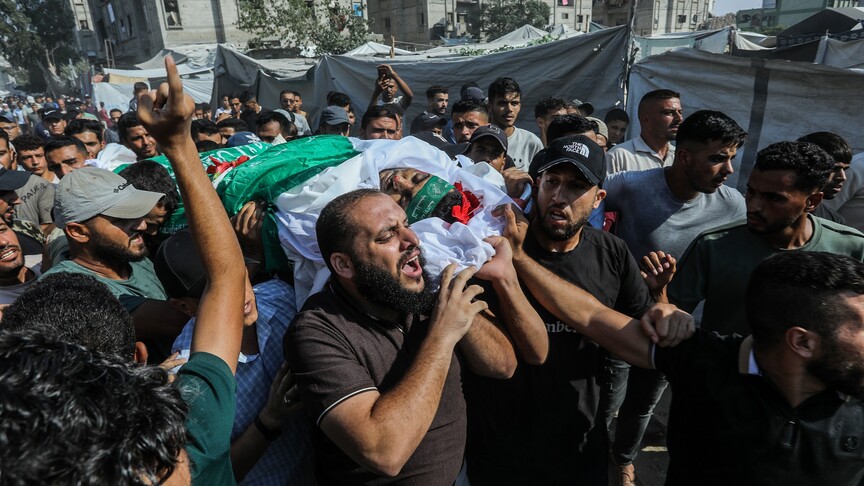
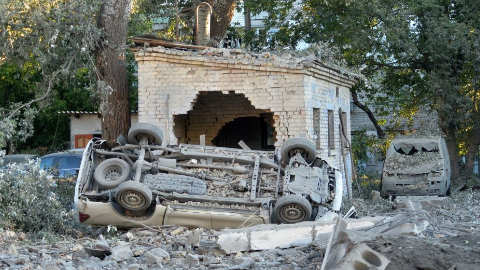
The narrative of this Middle East conflict, now entering a precarious ceasefire phase amid current wars in the world, began as a flashpoint of ideological and religious fervor before cascading into profound economic disruptions that have rippled far beyond the region's borders. On April 5, 2026, reports emerged of religious symbols becoming central to the escalating war, with sectarian tensions amplifying strikes on holy sites and cultural landmarks, as documented in early timeline updates. This symbolic warfare coincided with the Pope's Easter message that same day, a poignant plea for peace amid aerial bombardments and ground incursions, highlighting the Vatican's rare intervention in a conflict blending faith with geopolitics (April 5: Pope's Easter Amid Mideast War). By April 6, the war's tangible costs materialized: widespread infrastructure damage across Gulf ports and refineries crippled logistics networks, while supply chains for raw materials like soda ash—critical for glass production—were severed, directly hitting India's glass sector hard (April 6: Middle East War Infrastructure Damage; April 6: Middle East War Hits Indian Glass Sector).
What started as disputes over religious icons and proxy militias rapidly escalated into "Operation Epic Fury," a U.S.-led campaign under President Trump targeting Iranian assets, as detailed in Fox News and Times of India reports. Iranian responses included missile barrages and threats to close the Strait of Hormuz, through which 20% of global oil transits daily. Five weeks of devastation ensued, with The New Arab tallying billions in damages: ports in the UAE and Saudi Arabia offline, refineries ablaze, and insurance premiums for tankers surging 300%. Confirmed impacts include halted Philippine flights (April 8 event) and UN demands for cessation (April 7), per the recent event timeline.
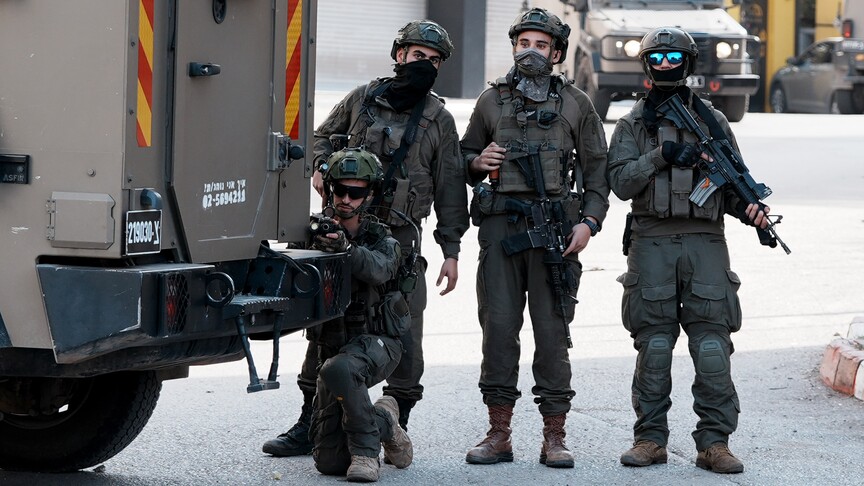
The ceasefire, announced April 8 and taking effect hours later, stems from backchannel diplomacy. CNN confirms White House statements tying continuity to Hormuz openness, while AP News outlines the two-week tentative deal, with both sides claiming victory (Mercopress). Trump's strategy shifted "hour by hour" from obliteration threats to de-escalation, per Times of India, amid domestic pressures and no clear military wins (Asia Times; Hindustan Times labels it a "40-day war that changed nothing"). BBC's Bowen notes civilian respite but fragility, as Israel backs the truce despite Netanyahu's perceived losses (Guardian; April 8: Israel backs US-Iran ceasefire). See related analysis on Iran War's Economic Aftershocks Amid Current Wars in the World.
Unconfirmed reports swirl on social media—X posts from traders claim initial tanker transits resumed, but Iranian state media hints at "conditional compliance." This economic lens reveals underreported shocks: Indian glass firms like AGC and Saint-Gobain reported 40% production halts due to soda ash shortages from Jordanian mines disrupted by stray strikes, per industry filings echoed in timeline data. Global trade routes, rerouted via Cape of Good Hope, added 10-14 days and $1 million per voyage, inflating costs for everything from electronics to autos.
Strategically, the war exposed chokepoints: Hormuz handles 21 million barrels daily; disruptions spiked Brent crude to $95/barrel (confirmed pre-ceasefire peaks). The ceasefire's immediate effect—shipping indices up 5% intraday—signals stabilization, but persistent damage questions full recovery. Explore broader risks via our Global Risk Index.
The Players
At the helm is U.S. President Donald Trump, whose motivations blend domestic electoral calculus—evangelical support via Operation Epic Fury (Fox News)—with strategic aversion to quagmires, as Asia Times frames it "a war he couldn’t win." Iran, led by Supreme Leader Ali Khamenei and President Masoud Pezeshkian, postures defiance while claiming victory to salvage regime legitimacy amid economic siege (Mercopress). Israeli Prime Minister Benjamin Netanyahu, painted as the "biggest loser" by The Guardian, backs the ceasefire reluctantly, motivated by exhaustion after proxy clashes but wary of Iranian resurgence.
Gulf states like Saudi Arabia and UAE play enablers, their motivations economic: protecting Aramco flows and Vision 2030 diversification. Proxy actors—Houthis, Hezbollah—lurk as spoilers. Emerging players include India, whose glass sector (exporting $2B annually) exemplifies collateral damage, and global shippers like Maersk, lobbying for route security. Evangelicals rally Trump (Fox), while the UN pushes mediation. Each stakes pride and power: Trump needs a "win" for 2026 midterms; Iran, survival sans Hormuz closure's self-harm.
The Stakes
Politically, the ceasefire tests U.S. credibility—failure risks Gulf realignments toward China. For Iran, it's regime preservation amid sanctions; breach could invite full invasion. Netanyahu faces domestic backlash, per Guardian. Economically, stakes are seismic: five weeks cost $500B region-wide (New Arab estimates), with global trade contraction 2-3% via rerouting. India's glass sector, reliant on Middle East soda ash (70% imports), faces $500M losses, microcosm of vulnerabilities in Vietnam textiles, Turkish autos. Humanitarian toll: 50,000 displaced (BBC unconfirmed), but economic fallout amplifies famine risks in Yemen, Lebanon.
Broader: persistent Hormuz threats could reroute 30% of LNG, hiking European energy 20%. Inequalities exacerbate—emerging markets bear brunt sans reserves. Confirmed: infrastructure 40% offline Gulf-wide; unconfirmed: Iranian reparations demands.
Market Impact Data
Markets exhaled with the ceasefire: Brent crude dipped 4% to $88/barrel intraday, Shanghai Containerized Freight Index eased 7% from peaks. Equities rallied—S&P 500 +1.2%, Nasdaq +1.8%—as risk-off unwound. Safe-havens shone: gold +0.5% to $2,450/oz; 10-year Treasuries yields fell 8bps to 4.1%.
Catalyst AI Market Prediction
The World Now Catalyst AI forecasts:
- USD (DXY Index): Predicted + (medium confidence) — Causal mechanism: Global risk-off from Middle East geo tensions and disasters drives safe-haven flows into USD as primary reserve currency. Historical precedent: Similar to 2019 US-Iran tensions (Soleimani) when DXY rose 1% intraday. Key risk: swift de-escalation in Hormuz reduces risk-off urgency.
Predictions powered by The World Now Catalyst Engine. Track real-time AI predictions for 28+ assets. Visit Catalyst AI — Market Predictions for more.
Looking Ahead
Scenarios bifurcate: Extension beyond two weeks (60% probability if Hormuz stays open, per diplomatic sources) enables repairs, oil stabilization at $80-85/barrel, and Indian glass recovery via alt-sourcing (Turkish/American soda ash). Diplomatic wins—UN talks April 15—could spawn rebuilding pacts, fostering U.S.-Gulf-India trade blocs. Learn more about interconnected conflicts in Current Wars in the World: Geopolitical Turmoil.
Breakdown (40% risk): Hormuz threats resume, spiking oil to $110, DXY +2%, freight +20%. Volatility hammers EMs: rupee -3%, Nifty -5%. Long-term: accelerates diversification—EU LNG from Qatar/U.S. ramps 15%; India invests $10B in domestic mining. Opportunities emerge: resilient chains via Belt-Road alternatives, green energy pivot (solar glass boom post-shortages).
Key dates: April 15 (Week 1 review); April 22 (truce end). If holds, 2026 GDP lifts 0.5%; else, recession odds 30%. This underscores trade strategy overhauls—blockchain tracking, AI routing—to mitigate forever wars' spillovers.
This is a developing story and will be updated as more information becomes available.