
Lebanon's Forgotten Front in Current Wars in the World: UN Peacekeepers Caught in the Crossfire as Ceasefires Crumble
Current Wars in the World: The Story in Lebanon
The crisis in Lebanon's southern border region has reached a boiling point, transforming what was intended as a fragile de-escalation into a direct assault on the United Nations Interim Force in Lebanon (UNIFIL), the 13,000-strong multinational peacekeeping mission established in 1978 to maintain stability along the Blue Line separating Lebanon from Israel. The latest flashpoint erupted on April 5, 2026, when intense firing occurred near UNIFIL positions in southern Lebanon – a "CRITICAL" event in the unfolding timeline that has left peacekeepers hunkered down and exposed. This incident follows a preliminary UN probe, reported widely, which blames Israel for one peacekeeper death and points to "likely" Hezbollah involvement in another, marking a rare instance where the UN has publicly apportioned blame to both primary belligerents. Learn more about how these strikes are undermining UN peacekeeping.
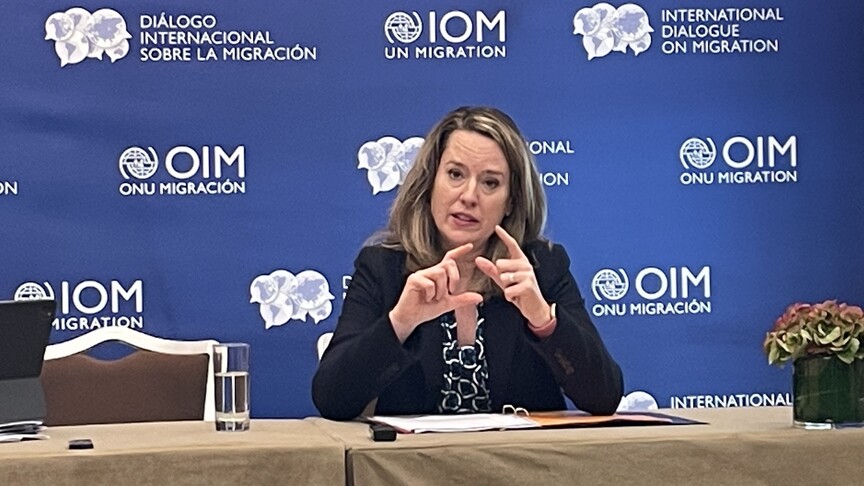
Context is crucial: Israel's military has vowed to continue operations in Lebanon despite a U.S.-brokered ceasefire announced by President Donald Trump involving Iran and other actors. As Israeli officials stated bluntly, "The Iran ceasefire does not include Lebanon," and operations will press on regardless. This defiance comes amid UN warnings of a "huge escalation" due to ceasefire uncertainties, with the world body's migration chief, Amy Pope, describing the conflict as "deeply worrying" and citing over 1.2 million displaced persons – a figure that amplifies the chaos around peacekeeping sites. See related coverage on Lebanon as a pawn in current wars.
To understand this breakdown, trace the roots back through 2026's relentless escalation timeline. It began on January 12, 2026, with a proposed Lebanon disarmament plan, spearheaded by international mediators, aimed at neutralizing Hezbollah's arsenal amid concurrent Israeli airstrikes that shattered any goodwill. The plan collapsed almost immediately, as strikes intensified, setting a pattern of failed diplomacy. By February 25, Hezbollah's deepening ties with Iran – including arms shipments and joint rhetoric against Israel – exacerbated regional dynamics, drawing in proxy tensions from Yemen to Syria.
March brought dire warnings: On March 8, Israel issued evacuation orders to Lebanese villages near the border, signaling imminent attacks. This culminated in a "Lebanon in Conflict Crisis" by March 15, with cross-border exchanges killing dozens. March 22 saw Israel probing a possible soldier killing on the border, further ratcheting tensions, followed by the confirmed death of an Israeli soldier on March 29 – events labeled "CRITICAL" that directly preceded the April 5 UNIFIL endangerment.
This narrative reveals original analysis on patterns of escalation: Ignored warnings have repeatedly endangered international actors. UNIFIL, meant to be neutral, has become a de facto buffer, with peacekeepers from Ireland, Italy, India, and others now at risk of being collateral in a war neither side fully acknowledges. Social media posts from UNIFIL's official X account (formerly Twitter) on April 6 highlighted "increased hostilities near our positions," while Lebanese activists shared videos of smoke rising near blue-helmeted patrols, amplifying global alarm – explore social media's role in escalating conflicts. The UNRWA Situation Report #5 from April 2 details emergency aid strains, with shelters overwhelmed and access roads blocked – a humanitarian quagmire that funnels displaced civilians toward peacekeeping zones, heightening risks.
Confirmed: The UN probe's findings, displacement figures over 1.2 million, and Israel's public statements on ongoing operations. Unconfirmed: Exact Hezbollah responsibility in the probe (described as "likely") and potential Iranian direct involvement beyond proxies.
The Players
At the epicenter are Israel, driven by existential security concerns after Hezbollah rocket barrages and the March soldier deaths; Prime Minister Benjamin Netanyahu's government views southern Lebanon as a launchpad for threats, justifying operations to dismantle infrastructure despite ceasefires. Hezbollah, the Iran-backed Shia militant group, positions itself as Lebanon's resistance vanguard, motivated by retaliation for Israeli incursions and ideological solidarity with Tehran – their February ties signal deeper entrenchment. Details on Lebanon's fractured alliances highlight internal divisions.
The United Nations, via UNIFIL and figures like Migration Chief Amy Pope, seeks to enforce Resolution 1701 (2006), mandating a demilitarized south, but lacks enforcement teeth. Lebanon's fragile government, paralyzed by economic collapse and internal divisions, plays a peripheral role, unable to rein in Hezbollah. Iran looms as a motivator, exempting Lebanon from its ceasefire per Israeli read. U.S. President Trump's ceasefire push adds a wildcard, aiming for de-escalation but undermined by exclusions.
The Stakes
Politically, attacks on UN peacekeepers signal a breakdown in global norms protecting neutral forces under international humanitarian law, including the Geneva Conventions' Additional Protocol I, which safeguards peacekeeping missions. This sets a dangerous precedent: If blue helmets are fair game in Lebanon, what of missions in Mali, South Sudan, or Cyprus? Lebanon's crisis reveals UN response weaknesses – vetoes in the Security Council stall mandates, leaving forces vulnerable. Track rising risks via our Global Risk Index.
Economically, the volatility ripples globally (detailed below). Humanitarily, 1.2 million displaced strain UNRWA and partners, per the April 2 report, with peacekeepers now aiding evacuations amid blocked routes – a role creep that blurs lines and invites fire. For Israel, escalation risks overstretch; for Hezbollah, annihilation; for Lebanon, state failure. Broader stakes: Eroding trust in interventions could deter future missions, fostering unchecked proxy wars.
Catalyst AI Market Prediction
The World Now's Catalyst AI engine forecasts sharp risk-off moves amid Middle East escalations paralleling Ukraine tensions:
- SOL: Predicted decline (medium confidence) — Crypto sells off as risk asset amid broad risk-off flows from Middle East and Ukraine escalations, amplified by thin weekend liquidity and liquidation cascades. Historical precedent: Feb 2022 Ukraine invasion when SOL dropped ~15% in 48h on risk-off sentiment. Key risk: sudden de-escalation headlines triggering risk-on rebound.
- BTC: Predicted decline (medium confidence) — BTC leads risk-off cascade in crypto as algorithms front-run equity weakness from SPX-linked events, triggering liquidations. Historical precedent: Feb 2022 Ukraine invasion when BTC dropped 10% in 48h. Key risk: safe-haven narrative shift if gold/USD rally spills into BTC.
- SPX: Predicted decline (high confidence) — Multiple direct SPX mentions trigger immediate risk-off selling in global equities via CTAs and equity futures. Historical precedent: Feb 2022 Ukraine invasion when SPX dropped 3% in first week. Key risk: policy response like Fed rhetoric calming markets.
Predictions powered by The World Now Catalyst Engine. Track real-time AI predictions for 28+ assets.
Looking Ahead
Without immediate diplomatic intervention – perhaps U.S.-led talks expanding Trump's ceasefire – scenarios darken: Expanded Israeli ground ops could provoke Hezbollah retaliation, drawing Iran directly or via proxies, risking a full-scale regional war involving Syria or Gulf states. UN responses may include strengthened UNIFIL mandates, like rules of engagement upgrades, or sanctions threats, though ceasefire uncertainties (Israel's ops continue) cloud this.
Long-term: Eroding trust in interventions heightens global instability; mission withdrawals or enhanced security (drones, fortifications) loom. Key dates: UN Security Council session (expected April 15), Israeli Knesset debates (April 20). Original analysis: This culminates unaddressed 2026 warnings, potentially forcing a reevaluation of peacekeeping roles – from observer to combatant? – with Lebanon as the litmus test in the current wars in the world.
This is a developing story and will be updated as more information becomes available.