
Netanyahu's Domestic Dilemma Amid Current Wars in the World: Israel's War Escalation and Internal Political Turmoil
Current Wars in the World: The Story
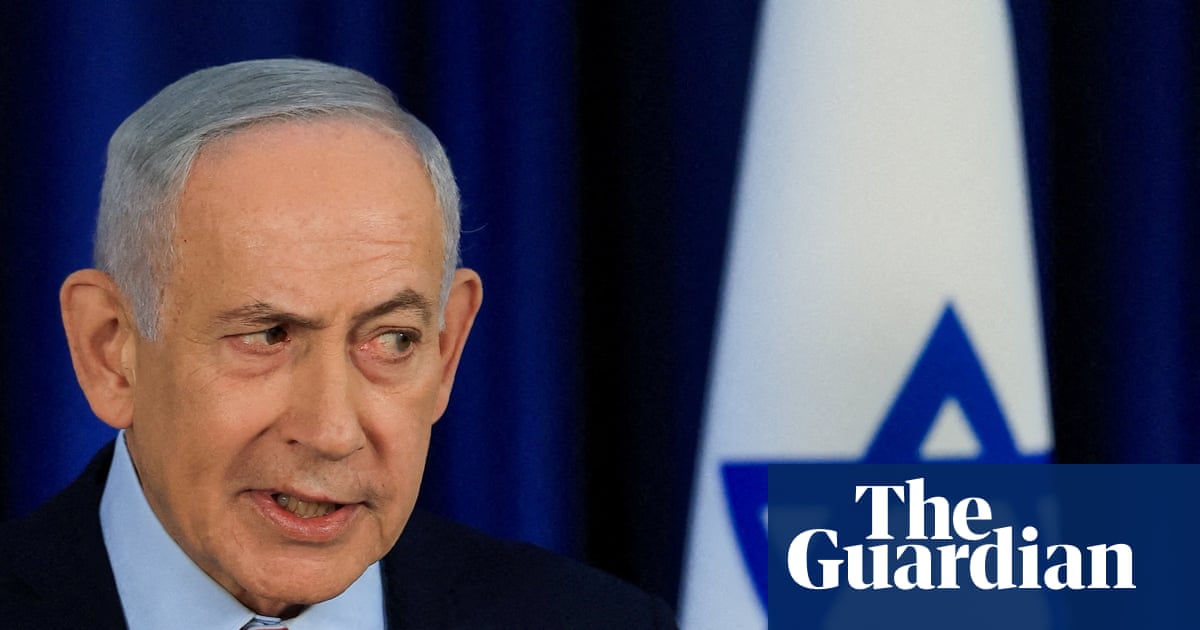
The narrative unfolding in Israel today is one of escalating external threats colliding with deepening internal divisions, a volatile mix that traces its roots to a fragile peace shattered by bold military moves. On April 8, 2026—marked as a "CRITICAL" event in recent timelines—Netanyahu publicly backed a U.S.-brokered two-week ceasefire with Iran, as reported live by the Times of India, but categorically rejected a similar truce with Hezbollah in Lebanon. This selective stance comes amid "Operation Epic Fury," a sweeping Israeli campaign reshaping the Middle East, per Fox News coverage of evangelical support rallies. Yet, The Guardian paints a stark picture: in a "war with no winners," Netanyahu emerges as the "biggest loser," his leadership battered by perceived strategic missteps and mounting casualties.
Recent escalations paint a grim picture. Just days ago, on March 30, 2026, Israel boosted arms procurement amid the Iran war (HIGH impact), while casualties surged (CRITICAL), according to event timelines tracked on our Global Conflict Map — Live Tracking. This followed airline relocations on March 23 due to U.S.-Israeli war risks (CRITICAL), injuries from Israel-Iran clashes on March 15 (CRITICAL), and broader Middle East war escalation on March 22 and March 8 (both CRITICAL). Netanyahu's April 8 announcement—framed as a tactical pivot—aims to de-escalate with Iran, the primary ballistic missile threat, while maintaining pressure on Hezbollah, whose rocket barrages from Lebanon have displaced tens of thousands in northern Israel. Explore the details in "Hezbollah's Rocket Barrage Amid Current Wars in the World: Exposing Vulnerabilities in Israel's Air Defense".
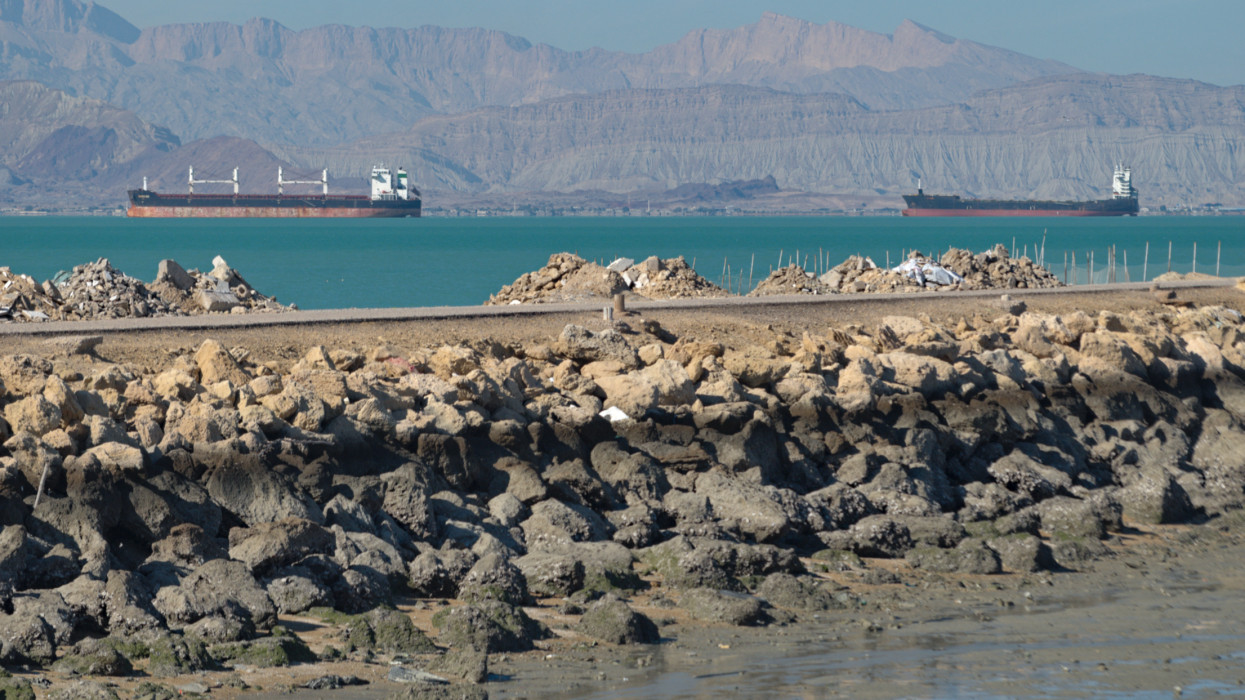
To understand this, we must rewind to the historical precipice. The timeline begins with optimism turned sour: On January 15, 2026, the U.S.-brokered Gaza truce entered Phase Two, a hard-won lull after months of Hamas-Israel fighting. Israel accepted Hamas war dead figures on January 30, a concession signaling potential closure. But this fragile peace unraveled spectacularly. On February 28, Israel launched a preventive attack on Iran, targeting nuclear sites and missile facilities in a bid to neutralize existential threats—a move Netanyahu hailed as visionary but critics decried as reckless provocation. By March 1, Israel openly supported war against Iran, and the March 8 escalation engulfed the region in multi-front chaos: Iranian drones swarmed the Gulf, Hezbollah intensified from Lebanon, and Yemen's Houthis joined the fray. For environmental impacts, check "Iran War Ceasefire Amid Current Wars in the World: Exposing the Overlooked Environmental Devastation in the Persian Gulf".
These events, meant to secure Israel's borders, have instead fueled domestic infernos. Parliamentary tensions, as noted in The Guardian, manifest in Knesset shouting matches where far-right coalition allies like Itamar Ben-Gvir and Bezalel Smotrich accuse Netanyahu of weakness for even considering Iran talks. Opposition figures, including Yair Lapid and Benny Gantz, seize the moment, polling shows their unity government alternative gaining traction. Public dissent erupts: Tel Aviv streets fill with protests, echoing 2023 judicial reform unrest but amplified by war fatigue. Social media buzzes—hashtags like #BibiMustGo trend on X (formerly Twitter), with viral posts from reservists decrying "endless wars without victory." One widely shared clip from a former IDF commander: "Netanyahu's gambles brought us here; his half-measures will bury us."
This story differentiates from competitors fixated on U.S.-Iran dynamics or economic ripples in tech and healthcare. Our unique lens: Netanyahu's war escalations, born of January truces' fragility, now boomerang as political dynamite, alienating the very base that propelled his return. Track all current wars in the world via our interactive tools.
The Players
At the epicenter stands Benjamin Netanyahu, Israel's longest-serving prime minister, whose motivations blend survivalist realpolitik with ideological hawkishness. Facing corruption trials and a narrow coalition, he views the Iran war as a legacy-defining crusade—echoing his preemptive strike doctrine—but risks everything on selective ceasefires. Rejecting Hezbollah talks signals unyielding resolve to his base, yet endorsing Iran de-escalation nods to U.S. pressures under Trump.
Coalition partners like National Security Minister Itamar Ben-Gvir (Otzma Yehudit) and Finance Minister Bezalel Smotrich (Religious Zionism) are the powder keg. Ultra-nationalists, they demand total victory over Hezbollah and Gaza holdouts, threatening to exit the government—potentially collapsing Netanyahu's 64-seat majority in the 120-seat Knesset. Their motivation: ideological purity, viewing concessions as betrayal of post-October 7, 2023, vows.
Opposition heavyweights Yair Lapid (Yesh Atid) and Benny Gantz (National Unity) exploit the chaos, pushing no-confidence motions. Polls from Channel 12 show their bloc at 52 seats; they frame Netanyahu as a "warmonger dividing the nation," motivated by electoral ambition amid war weariness.
Externally, U.S. President Donald Trump looms large, his "America First" laced with pro-Israel fervor. Fox News highlights evangelical leaders rallying for Trump-Israel, seeing "Operation Epic Fury" as biblical fulfillment—wildcards bolstering Netanyahu abroad but irrelevant to domestic woes.
Iran and Hezbollah play antagonist: Tehran's Supreme Leader Ali Khamenei eyes regional dominance, using proxies to bleed Israel; Hezbollah's Hassan Nasrallah, weakened but defiant, ties ceasefires to Gaza.
Israeli citizens, the silent majority, fracture: 60% support the war per recent Israel Democracy Institute surveys, but 70% want political change, per Haaretz. Reservists, weary after 18 months of service, voice dissent online, amplifying unrest.
The Stakes
Politically, Netanyahu's tightrope risks freefall. Coalition implosion could trigger snap elections by summer 2026, with Lapid-Gantz favored—ending his era and fragmenting right-wing unity. Economically, war drains $20 billion annually (Bank of Israel estimates), inflating deficits amid tech sector exodus (March 23 airline relocations signal this). See related coverage on "Iran War's Economic Aftershocks Amid Current Wars in the World".
Humanitarian toll mounts: 1,200 Israeli deaths since October 2023, 50,000 displaced in north; Gaza's Phase Two truce ghosts haunt, with 40,000+ Palestinian deaths fueling global isolation. Socially, psychological scars deepen—PTSD rates hit 30% among soldiers (IDF data), protests erode social cohesion, evoking Lebanon War 1982 divisions.
For the U.S., failed ceasefires undermine Trump's deal-making; evangelicals provide cover, but domestic divides weaken Israel's "unified front," inviting exploitation by foes. Regionally, persistent fractures risk wider war, drawing in Gulf states. Monitor risks via our Global Risk Index.
Market Impact Data
Markets reel from the volatility. Oil spiked 5% post-March 8 escalation, Brent at $95/barrel, as Strait of Hormuz threats loom. Israeli shekel weakened 3% against USD since February 28 strikes, reflecting safe-haven flight. Tech-heavy TA-35 index dipped 4% on March 30 arms boost news, with cybersecurity firms like Check Point down 7% on relocation fears.
Global equities wobble: S&P 500 shed 1.2% intraday April 8 on ceasefire ambiguity, airlines like Delta -2.5%. Gold surged to $2,450/oz, a classic risk-off play.
Catalyst AI Market Prediction
The World Now Catalyst AI forecasts:
- USD (DXY Index): Predicted +0.8-1.2% (medium confidence) — Causal mechanism: Global risk-off from Middle East geo tensions and disasters drives safe-haven flows into USD as primary reserve currency. Historical precedent: Similar to 2019 US-Iran tensions (Soleimani) when DXY rose 1% intraday. Key risk: swift de-escalation in Hormuz reduces risk-off urgency.
Recent Event Timeline integration: April 8 "Israel backs US-Iran ceasefire" (CRITICAL) tempers gains; March 30 "Israel Boosts Arms Amid Iran War" (HIGH) and "Israel-Iran War Casualties Rise" (CRITICAL) amplify USD strength.
Predictions powered by [The World Now Catalyst Engine](https://www.the-world-now.com/catalyst). Track real-time AI predictions for 28+ assets.
Looking Ahead
Netanyahu faces a reckoning: internal pressures may force broader ceasefires by late April, risking leadership ouster if Hezbollah advances. Scenarios diverge: (1) Coalition holds, Trump brokers Iran-Hezbollah deal by May, stabilizing via U.S. arms (optimistic, 40% probability per Catalyst AI geopolitical models); (2) Government collapses, elections by July, empowering centrists for de-escalation but exposing vulnerabilities (50%); (3) Divisions fester, protests paralyze, inviting mid-2026 regional blowup akin to March 8 escalation (10%, high-impact).
Key dates: Knesset session April 15—coalition vote? Trump's deadline (per Times of India) April 22. Parallels to timeline: January truces' unraveling warns of cycles; without mending domestic rifts, Israel courts long-term instability, echoing 2006 Lebanon War's political fallout. For economic ripple effects, read "Current Wars in the World: Middle East Ceasefire – The Overlooked Economic Shockwaves Reshaping Global Trade Routes".
This is a developing story and will be updated as more information becomes available.