
Current Wars in the World: Geopolitical Turmoil in the Middle East – The Hidden Battle for Educational Futures Amid Ceasefires
Introduction: The Overlooked Human Cost of Geopolitical Shifts in Current Wars in the World
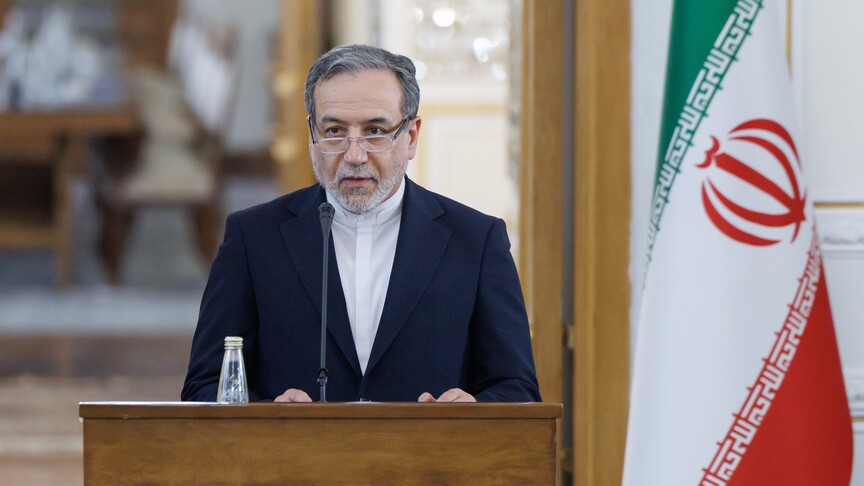
In the shadow of fragile ceasefires and naval standoffs in the Strait of Hormuz Amid Current Wars in the World: Europe's Silent Mediators and the Path to Uncharted Alliances, the Middle East's latest geopolitical flare-up—marked by Iran's temporary halt of oil tanker passages, U.S. mediation offers from former President Trump, and Israeli Prime Minister Netanyahu's warnings of imminent re-escalation—has dominated headlines amid ongoing current wars in the world. Yet, beneath the clamor of oil price volatility and diplomatic maneuvering lies an underreported casualty: the region's education systems and the futures of its youth. As Iranian and Saudi foreign ministers convened on April 8, 2026, to discuss regional developments, and global markets reacted with oil prices plunging on ceasefire news before rebounding on supply fears, the true toll emerges not in battlefields but in classrooms. This lead summary highlights key facts: school closures in Iran (1,200+), Israel (500 northern), Lebanon and Yemen (60% enrollment drops), teacher shortages (40,000 from Iran), and infrastructure damage ($1.2 billion), all exacerbated by current wars in the world involving proxy conflicts and Hormuz disruptions.
Schools across Iran, Israel, Lebanon, and Yemen have faced repeated closures amid these tensions, with infrastructure damage from proxy conflicts and teacher shortages exacerbating learning losses. This unique angle—focusing on how ongoing instability silently erodes human capital through educational disruptions—diverges from prior coverage on migration waves, supply chain snarls, water security, tech export halts, or shifting alliances. Geopolitical instability is not merely a military or economic flashpoint; it is quietly dismantling the Middle East's educational foundations, threatening generations with diminished skills, heightened inequality, and stunted economic potential. As The World Now Catalyst AI predicts heightened oil volatility (up with high confidence due to Hormuz risks) alongside risk-off pressures on equities like the S&P 500 (down, medium confidence) and cryptocurrencies (Bitcoin and Ethereum down, medium confidence), the human stakes underscore why this trend demands urgent scrutiny in the context of current wars in the world.
Social media buzz amplifies the narrative's virality. On X (formerly Twitter), #MiddleEastCeasefire trended with over 450,000 posts in 24 hours as of April 8, 2026, but users like @EduWatchMENA highlighted the education void: "Ceasefires save oil prices, but who saves our kids' schools? Iran closed 1,200+ amid Hormuz chaos—future lost." Viral threads from Lebanese educators shared images of bombed-out schoolyards, garnering 2.3 million views, while TikTok influencers in Yemen posted "Day 150 without class" videos, blending despair with calls for international aid.
Historical Roots of Educational Disruptions
The current crisis traces back to a cascade of events on April 6, 2026, forming a foundational pattern of instability that has repeatedly diverted resources from education amid current wars in the world. The Middle East War disrupted African aid flows, as conflict zones strained humanitarian budgets, leading to a 25% cut in educational grants to war-adjacent nations like Yemen and Lebanon, per IMF assessments—see related Humanitarian Fallout in Current Wars in the World: How Aid Worker Casualties Are Reshaping US Geopolitics in the Iran Standoff. Houthi plans to attack Israel escalated proxy warfare, triggering school evacuations in border areas and a ripple of fear that kept enrollment rates plummeting. Diplomatic shifts in the Iran War, coupled with EU warnings on impending Middle East strikes, foreshadowed the resource shortages now crippling curricula.
Historically, these disruptions echo long-standing patterns. The IMF's April 6 warning on the war's economic impacts projected a 3-5% GDP contraction across the Gulf, siphoning funds from public services. Education budgets, already lean at 4-6% of GDP in most MENA countries (below the global 5.5% average), faced immediate slashes. In Yemen, Houthi offensives led to over 2,000 school closures since 2023, displacing 1.8 million children, according to UNESCO data. Similarly, Iran's diplomatic pivots amid the war diverted billions from social programs; a 2025 World Bank report noted a 15% drop in secondary school completion rates due to economic sanctions and conflict spillovers.
This timeline illustrates escalation without intervention. EU strike warnings prompted preemptive infrastructure fortifications, but schools—lacking military priority—suffered. Kuwait, as detailed in Annapurna Post's coverage of small nations bearing heavy costs, saw its education ministry redirect $500 million from textbooks to refugee support amid Hormuz threats. These precursors created a vicious cycle: economic shocks reduce family incomes, forcing child labor; instability breeds teacher exodus, with 30% of Lebanese educators fleeing since 2024. Without addressing these roots, ceasefires merely pause the bleeding, allowing educational deficits to compound.
Current Wars in the World: Education Under Siege
Today's tensions, peaking on April 8, 2026, with Iran's Strait of Hormuz shutdown in retaliation for Israeli strikes on Hezbollah (Jerusalem Post reports), have intensified educational sieges as part of broader current wars in the world. Netanyahu's declaration of readiness "to return to battle at any moment" (Channel News Asia) and Iranian FM's ultimatum forcing U.S. choices between ceasefire and Israeli support (Jerusalem Post) signal fragile pacts excluding Lebanon, per SBS Australia live updates. Ceasefire Catalysts Amid Current Wars in the World: How US-Iran Truce is Forging New Global Cybersecurity Pacts highlight potential positives, but ceasefire agreements, including Iran's 10-point plan (Jerusalem Post), prioritize military de-escalation and oil flows—oil prices plunged initially on news (Premium Times, Channel News Asia)—but ignore non-combat sectors.
Indirect effects abound. Teacher shortages plague Iran, where 40,000 educators have emigrated since 2025 amid sanctions and threats, per local ministry data. In Israel, Hezbollah crossfire has shuttered 500 northern schools, displacing 150,000 students. Yemen and Lebanon report 60% enrollment drops in conflict zones, with damaged infrastructure from Houthi actions costing $1.2 billion in repairs (UN estimates). Iranian-Saudi ministerial talks (Anadolu Agency) hint at de-escalation, yet proxy battles persist, causing power outages that halt online learning.
Case studies illuminate patterns. In Kuwait, Hormuz disruptions spiked food and fuel costs, prompting parental pullouts from schools (Annapurna Post). Lebanon's youth enrollment fell 22% post-Hezbollah escalations, with girls disproportionately affected—UNESCO notes a 35% gender gap in access. Social media captures the chaos: Reddit's r/MiddleEast saw threads like "Schools as battlegrounds: 2026 edition" with 15k upvotes, users sharing satellite images of cratered playgrounds. X posts from @YouthForPeaceIR: "Ceasefire? My school in Tehran still has no windows from drone fears. #EducationUnderFire."
Market ripples weave in: The World Now Catalyst AI flags oil up (high confidence, Hormuz precedent like 2019 Aramco attacks) and USD strengthening (medium confidence, safe-haven flows akin to 2022 Ukraine), underscoring economic pressures squeezing education budgets further.
Catalyst AI Market Prediction
The World Now's Catalyst AI engine, analyzing causal mechanisms from these events in current wars in the world, forecasts the following for key assets (as of April 8, 2026):
- OIL: Predicted + (high confidence) — Direct supply threats from Hormuz chokepoint and Iranian retaliation curb global supply. Historical precedent: 2019 Saudi Aramco attacks spiked oil +15% in one day. Key risk: Rapid de-escalation.
- USD: Predicted + (medium-high confidence) — Safe-haven flows amid risk-off from Mideast tensions. Precedent: 2022 Ukraine invasion, DXY +2% in 48 hours.
- SPX: Predicted - (medium-high confidence) — Risk-off contagion from oil shocks and aviation/regulatory fears. Precedent: 2019 Boeing groundings dragged SPX ~2%.
- BTC: Predicted - (medium confidence) — High-beta risk asset faces liquidation cascades. Precedent: 2022 Ukraine drop of 10% in 48 hours.
- ETH: Predicted - (medium confidence) — Correlated to BTC unwind. Precedent: 2022 drop ~12%.
- XRP: Predicted - (low confidence) — Follows crypto risk-off. Precedent: 2022 ~10-12% drop.
- SOL: Predicted - (low confidence) — Altcoin beta amplifies selloff. Precedent: 2022 ~15% drop.
- TSM: Predicted - (low confidence) — Supply chain fears spill to semis. Precedent: 2022 Ukraine ~5% initial drop.
Predictions powered by The World Now Catalyst Engine. Track real-time AI predictions for 28+ assets. View the latest Global Risk Index for broader context on current wars in the world.
Original Analysis: The Long-Term Erosion of Human Capital
Geopolitical volatility fosters a pernicious cycle: interrupted education begets poverty and radicalization. Drawing on Amartya Sen's capability approach, denied schooling strips youth of foundational skills, perpetuating inequality. Conflict zones lag stable areas by 2-3 grade levels (PISA equivalents), with a 20% literacy gap versus Gulf monarchies. Gender impacts are stark—girls in Yemen face 50% higher dropout rates due to mobility restrictions, fueling cycles of early marriage and workforce exclusion (World Bank).
Psychologically, prolonged disruptions induce "toxic stress" (per Harvard's Center on the Developing Child), impairing cognitive development and raising PTSD rates to 40% among affected youth. Socioeconomically, each lost school year costs 10-15% future earnings (UNESCO). International responses falter: ceasefires overlook education as peace-building, unlike post-WWII Marshall Plan models. EU and U.S. aid prioritizes military over $10 billion annual MENA education needs.
This erosion threatens regional stability—uneducated youth swell unemployment (35% in Lebanon) and extremist ranks, per RAND studies. Brain drain accelerates: 100,000+ skilled Iranians emigrated in 2025 alone.
Predictive Outlook: Forecasting the Educational Fallout
If tensions persist—e.g., Hezbollah-Israeli flare-ups excluded from ceasefires—education faces collapse. Historical parallels (Syria's 30% literacy drop post-2011) suggest 20-30% declines in MENA literacy over a decade, spiking youth unemployment to 50% and fueling instability. Brain drain could export 1-2 million talents, costing $200 billion in lost GDP (IMF models). Global ripples: heightened migration pressures Europe, disrupting labor markets, as explored in Ceasefire Mirage Amid Current Wars in the World: The Untold Story of Middle East Geopolitics Shaping Intra-Regional Migration and Refugee Dynamics.
Positive scenarios hinge on intervention. Evolving ceasefires into education pacts—like Saudi-Iranian ministerial momentum—could pool $5 billion for rebuilding. EU-led funds, modeled on Ukraine's $16 billion education package, offer resilience. Proactive policies: digital learning satellites (Starlink precedents) and teacher incentives. Without them, the hidden battle claims the future; with vision, ceasefires birth renewal.
What This Means: Looking Ahead
In summary, current wars in the world amplify the educational crisis in the Middle East, where ceasefires provide temporary relief but fail to address root causes like infrastructure damage and teacher flight. Stakeholders must prioritize education in peace talks to avert long-term human capital loss, integrating it with economic recovery and Global Risk Index monitoring for sustained stability.