
Tensions Escalate as Zelensky Denies Drone Attack on Putin's Residence
In a significant development in the ongoing Russia-Ukraine war, Ukrainian President Volodymyr Zelensky has firmly denied allegations that Ukraine was involved in a drone attack on President Vladimir Putin's residence. This denial comes amidst a backdrop of heightened tensions and conflicting reports regarding military actions and responses from both nations.
On December 31, 2025, shortly after the alleged incident, Zelensky addressed the claims during a press briefing, stating, "We are not targeting Putin personally," and suggested that the situation may be a pretext for Russia to launch new strikes. His comments reflect a broader strategy by Ukraine to deny direct responsibility for actions that could escalate the conflict further.
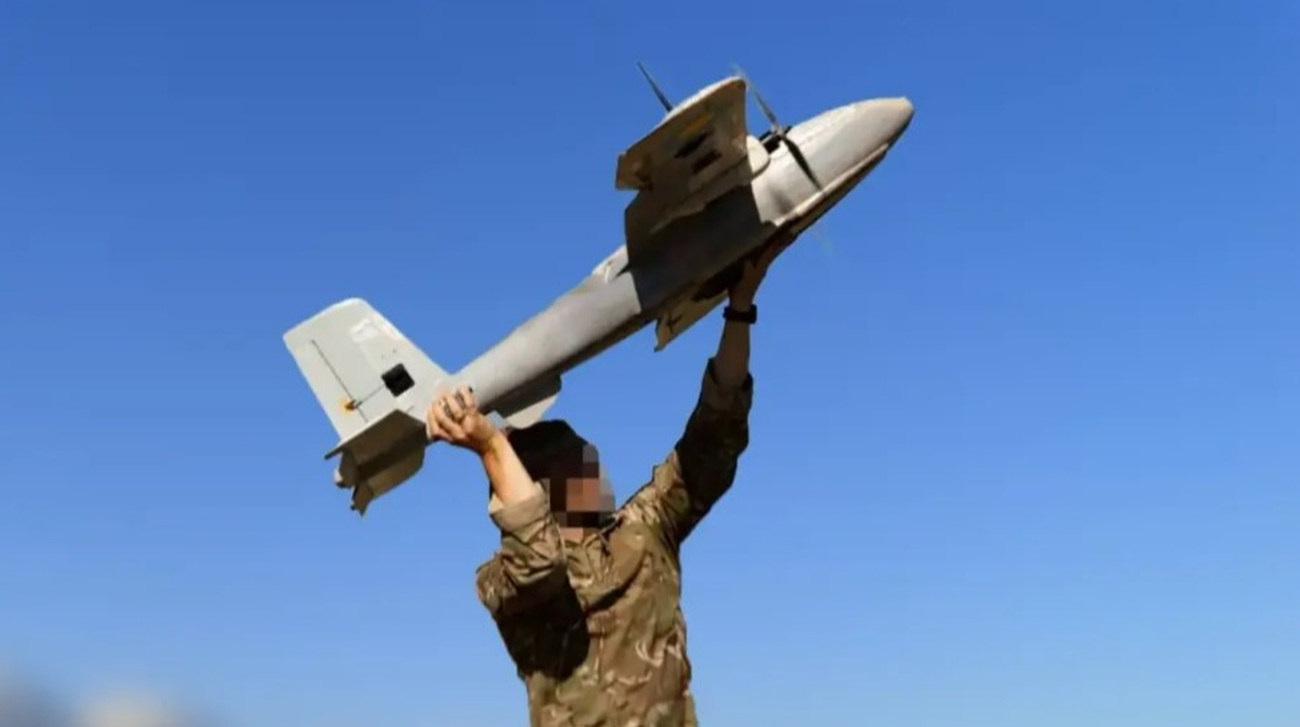
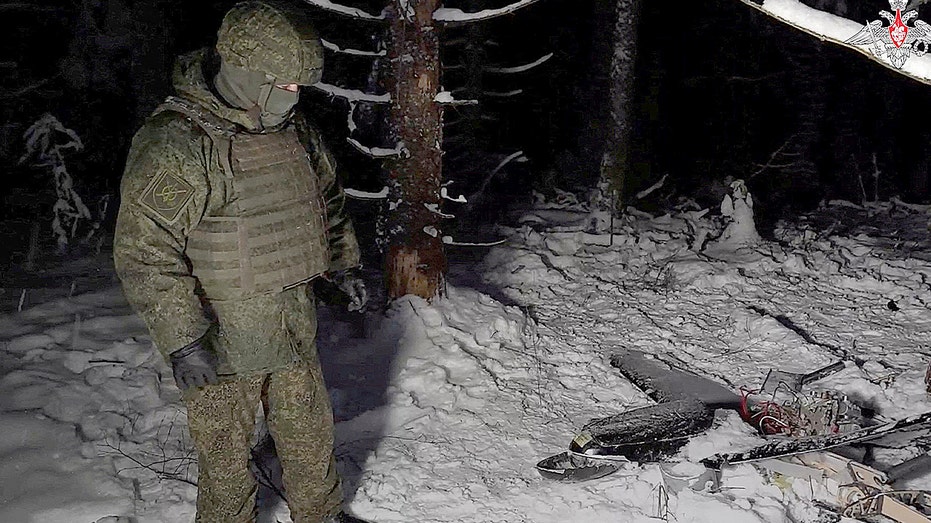
The alleged attack on Putin's residence was reportedly accompanied by a video released by Russian state media, which purportedly showed the aftermath of the drone strike. However, the credibility of this video, and the circumstances surrounding the incident, have been met with skepticism from defense experts and U.S. officials. According to reports, these experts question the authenticity of Russia's claims about the attack and the nature of the intercepted Ukrainian drones. U.S. officials have also indicated that there is no evidence to support the assertion that Ukraine deliberately targeted President Putin, which further complicates the narrative being presented by Moscow.
In the wake of these events, the Russian government has remained steadfast in its accusations against Ukraine, asserting that such attacks signify a dramatic escalation in hostilities. Russian officials argue that these actions threaten not only the leadership of the country but also the stability of the region as a whole. The Kremlin's narrative aims to galvanize support for its military actions and justify ongoing operations against Ukraine.
The conflicting accounts of the incident highlight the complexities of the information warfare that has characterized the Russia-Ukraine conflict since its inception in February 2022. Both sides have utilized media and propaganda to shape public perception and international opinion regarding their respective actions and motivations. Zelensky’s denial of the drone strike aligns with Ukraine’s ongoing efforts to distance itself from provocations that could lead to a broader war.
This incident is not occurring in isolation; it is part of a larger pattern of escalating military tensions between the nations. As the conflict approaches its fourth year, both sides have engaged in a series of strikes, counterstrikes, and military operations that have resulted in significant casualties and destruction. The situation remains fluid, with fears that further escalation could draw in additional international actors or lead to wider regional instability.
In conclusion, as the world watches the developments in Russia and Ukraine, it is clear that the risks of miscalculation and misinformation are high. The recent allegations and subsequent denials underscore the precarious nature of the conflict, and the potential for further escalation looms large as both nations navigate the treacherous landscape of war and diplomacy. With Zelensky's comments suggesting preparations for new strikes, the international community remains on alert for the next moves in this protracted conflict.