Conflict Displaces Over 420,800 in South Sudan Since January
Ongoing conflicts around the world have displaced more than 420,800 people in South Sudan between January and May 2026, while violence in Mali, Lebanon and other regions has triggered new casualties, displacements and humanitarian needs.
South Sudan Displacement Surges from Conflict
Between January and May, more than 420,800 people were displaced across South Sudan due to conflict, according to IOM Displacement Tracking Matrix figures. [1] This includes over 324,100 people displaced by violence in Jonglei State. [1] Of those, 261,570 remained within Jonglei, nearly 29,000 moved to Mingkaman in Awerial County, Lakes State, and over 27,000 reached Nasir, Panyikang and Ulang counties in Upper Nile. [1] These movements illustrate how conflict continues to drive large-scale internal displacement in multiple states.
Israeli Officials Escalate Rhetoric Against Hezbollah and Lebanon
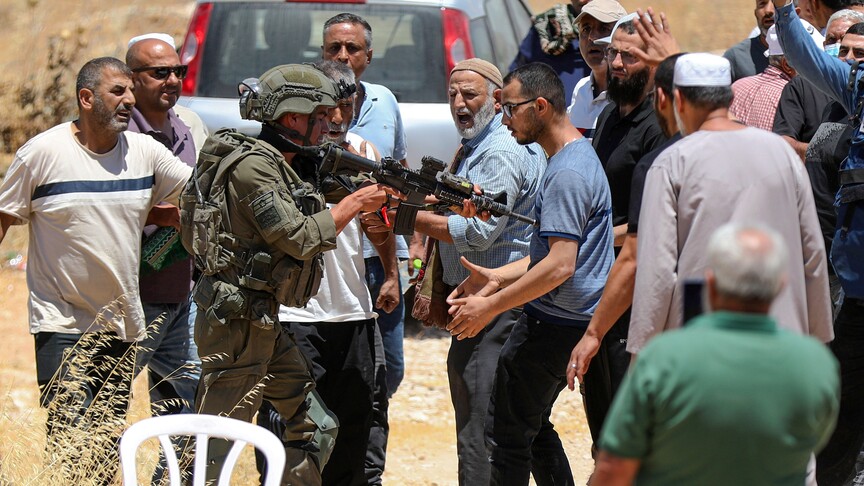
Israeli ministers have escalated their rhetoric against Lebanon, calling for the bombing of Beirut, the detention of Lebanese women and the occupation of territory in retaliation for Hezbollah drone strikes. [4] National Security Minister Itamar Ben-Gvir said during a meeting of Israel’s Security Cabinet that officials must think outside the box regarding Hezbollah and should also consider occupying territory and killing many terrorists. [4] He also called for arresting their women and children, stating this is what hurts them most. [4] Foreign Minister Gideon Saar accused Hezbollah of seeking to drag Israel into a war of attrition. [4] Settlement Affairs Minister Orit Strock also called for the occupation of territory in Lebanon. [4] Israeli Minister of Culture and Sports Miki Zohar called for intensified airstrikes on Beirut’s southern suburbs, saying the next time Hezbollah fires on Israeli towns, Israel will immediately attack the Dahiyeh. [4] Israeli Defence Minister Israel Katz stated the fate of the Dahiyeh in Beirut is the fate of the towns in the north. [4]
Deadly Strikes Hit Southern Lebanon
The Israeli military has carried out deadly airstrikes on Lebanon since a Hezbollah cross-border attack on March 2, killing more than 3,600 people, injuring over 11,100 and displacing more than one million others. [4] The Christian quarter in southern Lebanon’s Tyre was largely emptied as Israel issued its first-ever evacuation order for the entire city and launched strikes that killed at least eight people, according to Lebanon’s Health Ministry. [4] The deaths followed a single strike on the city’s eastern edge. [4] Rescuers were still searching through the rubble of the strike for survivors. [4] The Israeli military had issued an online evacuation warning for the entire city, where people displaced from elsewhere in the city were seeking shelter. [4] Last week, the Israeli military said people from Iran-backed Hezbollah were hiding out in the area, without providing evidence. [4]
Violence Worsens Humanitarian Conditions in Mali
Since 25 April 2026, the deterioration of the security situation in several regions of Mali has caused deaths, injuries, new population displacements and increased pressure on livelihoods and essential services. [3] In response to this critical situation, the International Committee of the Red Cross has strengthened its support to affected people. [3] The armed violence has placed additional strain on already vulnerable communities across multiple regions. [3]
Food Insecurity and Security Risks Mount in Togo
With the start of the lean season in northern Togo in May 2026, household food stocks are diminishing progressively. [5] In the Savanes region, the security situation in some areas remains concerning due to risks of armed incursions and infiltration of extremist groups along the northern borders. [5] Households there face combined pressures from reduced food availability and ongoing security threats. [5]
Humanitarian Access Challenges in Myanmar
Humanitarian access remains severely constrained in Myanmar as of May 2026. [2] The overview of access severity highlights persistent barriers that limit the delivery of aid to populations in need. [2]
What to watch next: Further displacement figures from South Sudan, additional Israeli strikes or cabinet statements on Lebanon, expanded ICRC operations in Mali, household food stock trends in northern Togo through September 2026, and any updates to Myanmar access constraints.