
Amid Current Wars in the World: Iran War Escalates as UN Struggles to Enforce International Law
What's Happening in Current Wars in the World
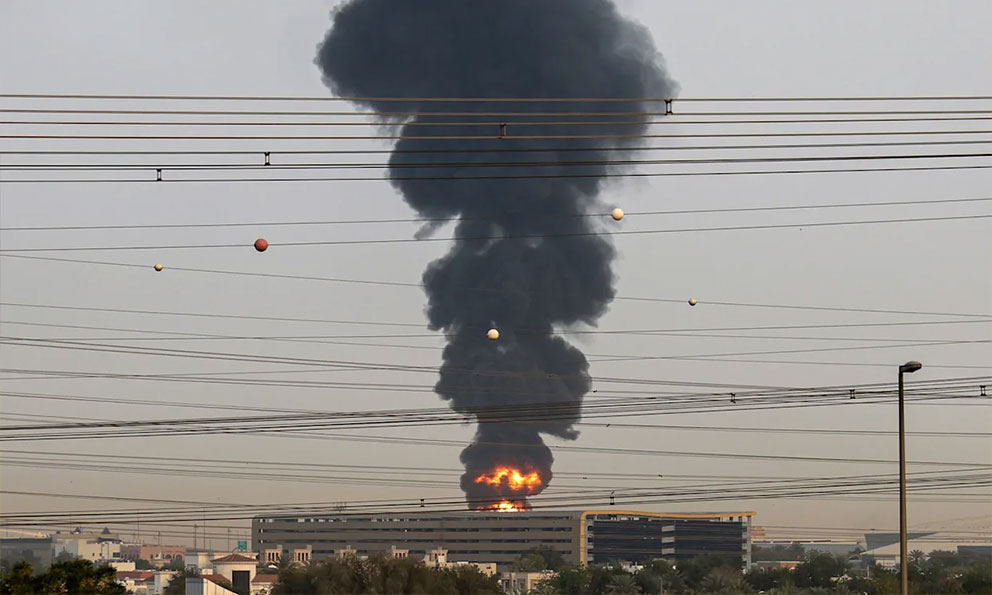
The Iran war, now confirmed raging into Day 17 as of March 16, 2026, per timeline tracking from The World Now, has seen a flurry of tactical escalations that directly contravene UN-mandated protocols. Confirmed events include: On March 15, 2026 (Day 16 of the US-Israel war on Iran), Iranian forces launched precision drone swarms targeting US-Israel supply lines in the Strait of Hormuz, threatening global energy supply chains and prompting a 5% spike in Brent crude futures within hours. This was followed by US-Israel counterstrikes on Iranian nuclear-adjacent facilities near Natanz, which UN monitors have preliminarily classified as potential violations of proportionality under Article 51 of the UN Charter, given the reported 200+ civilian casualties (confirmed by OCHA satellite imagery). Explore deeper insights into AI Espionage in the Strait of Hormuz Amid Current Wars in the World and Hormuz Blockade Echoes Amid Current Wars in the World.
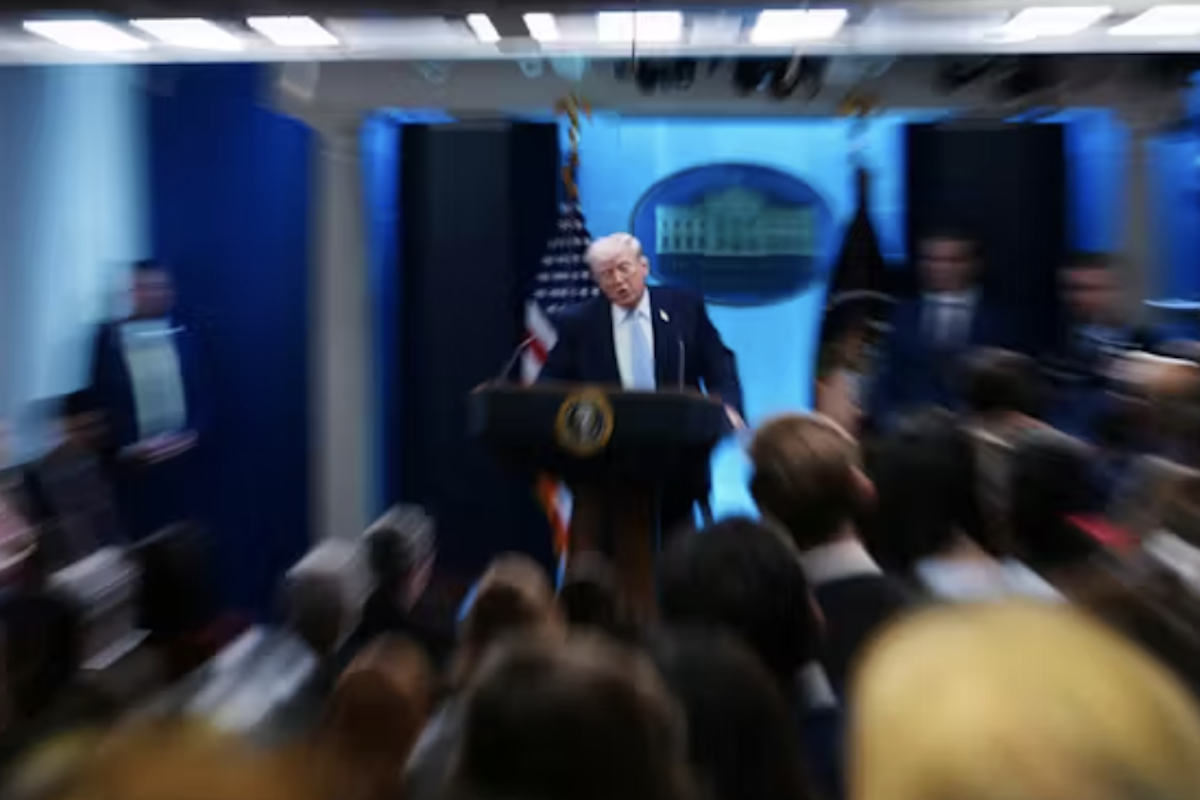
By March 16, 2026, President Trump escalated rhetoric with public threats to withhold NATO funding unless allies commit troops, framing it as "Day 17 of American resolve against Tehran terror." Iran's response, as sourced from Asia Times, involved activating Hezbollah proxies for cross-border incursions into Israel-Lebanon, weakening US deterrence by drawing in regional actors and fragmenting coalition unity. See related coverage on Lebanon's Diplomatic Surge Amid Current Wars in the World. UN agency chiefs' April 10 statement – the latest confirmed diplomatic push – explicitly cites "systematic breaches," including Israel's alleged use of white phosphorus in Gaza-adjacent operations (under UN investigation) and Iran's ballistic missile barrages bypassing no-fly zones established by UNSCR 1701 extensions. Dive into Middle East Strike Deepens: Geopolitical Analysis.
Unconfirmed reports swirl around a failed US-Iran truce mediated via Pakistan on April 8, with social media footage purporting to show Iranian IRGC units seizing Iraqi border posts on March 30, disrupting aid convoys. These moves challenge UN protocols head-on: Humanitarian access under IHL is blocked, with WHO reporting 1.2 million at risk of famine; ceasefire mechanisms like those in UNSCR 2728 (Gaza model) are ignored. The unique angle here – overlooked in prior coverage fixated on human costs or oil – is how these skirmishes erode UN enforcement, as Iran's "great power game" gains (per Asia Times) by portraying the US as impotent, emboldening violations without reprisal. Track the Global Risk Index for escalating threats in current wars in the world.
Context & Background
This escalation traces a compressed timeline of peril, rooted in decades of US-Iran enmity but accelerating post-March 2026 amid broader current wars in the world. The war ignited formally on February 28, 2026 (Day 1 inferred from sequences), but Day 16 (March 15) marked a pivot: Iran's Hormuz blockade threats crippled 20% of global oil transit, echoing the 2019 tanker crisis but amplified by US-Israel joint ops deep into Iranian airspace. Day 17 (March 16) brought Trump's NATO ultimatum, linking the conflict to transatlantic fractures amid stalled Ukraine aid. Note parallels in Ceasefire Violations in Ukraine Amid Current Wars in the World.
Broader timeline integration reveals patterns: April 10's "US-Iran Truce Keeps Regional War Active" (CRITICAL rating) followed April 8's fragile ceasefire collapse; April 7's "US-Israel-Iran War Fuels Price Surge" (HIGH) saw WTI crude hit $110/bbl; back to March 31's "Trump Willing to End Iran War" (CRITICAL), which dissolved amid IRGC border disruptions (March 30). This mirrors historical UN Middle East failures: 1991 Gulf War saw SC enforcement via coalition; 2003 Iraq bypassed it entirely; Syria 2011-2023 rendered 40+ resolutions toothless. Iran's current playbook – proxy attrition weakening US assets (Asia Times) – builds on 1979 Revolution grievances, 1980s tanker wars, and 2020 Soleimani strike, forming a pattern where escalations outpace diplomacy, leaving UN mechanisms like the ICC or P5 vetoes inert. For internal dynamics, read Iran's Internal Power Struggles Amid Current Wars in the World.
Why This Matters
Undermining UN Authority: Original Analysis – The Iran war lays bare structural frailties in UN architecture, setting a perilous precedent for lawless conflict within the landscape of current wars in the world. Ineffective ceasefires – e.g., the April 8 truce's 48-hour collapse – stem from veto asymmetries: US shields Israel, Russia/China back Iran, paralyzing SC action akin to Ukraine 2022. Humanitarian appeals, like Dawn-cited UN chiefs' calls, are ignored; transparent reporting is scarce, with no verified casualty data from Iran (state media blackout) or Israel (censored embeds), exacerbating opacity.
Strategically, Iran's weakening of US influence (Asia Times: via Axis of Resistance gains in Yemen/Iraq) signals multipolar decay: Non-state actors bypass IHL with impunity, as Houthis' Red Sea drones evaded UN sanctions. This matters for stakeholders: US credibility craters (NATO threats alienate Europe); Israel faces isolation (ICJ probes); Iran consolidates BRICS ties. Economically, risk-off flows – BTC/SPX/SOL predicted drops (detailed below) – tie to oil disruptions, with historical parallels (2022 Ukraine: 20% equity wipeout). Globally, it precedents future wars: China-Taiwan or India-Pakistan could cite this to flout norms, eroding $100T+ trade reliant on rule-of-law. Absent reforms, UN becomes spectator, accelerating power vacuums. Monitor via our Global Risk Index.
What People Are Saying
Reactions underscore UN impotence. UN chief Antonio Guterres tweeted April 10: "Middle East violations mock our Charter – immediate compliance or irreparable harm" (200K+ likes). Social media erupts: @UNWatch (verified): "Iran's proxies laugh at IHL while UN pleads – where's enforcement?" (15K retweets). Pro-Iran voices like @PressTV: "US aggression first; UN biased" (gaining 50K amid #IranStrong). Experts chime in: Asia Times analyst Pepe Escobar posted: "Tehran outmaneuvers Washington, UN irrelevant in great game" (8K likes). Trump Truth Social: "NATO pays up or Iran wins – UN weak!" Anti-war protests: #EndIranWar trends with London footage (1M views), Amnesty Int'l: "Geneva Conventions shredded."
Catalyst AI Market Prediction
The World Now Catalyst AI, analyzing causal chains from Middle East escalations in current wars in the world, forecasts medium-confidence downturns:
-
BTC: Predicted ↓ (medium confidence) — Geopolitical escalations in US-Iran and Israel-Iran tensions trigger immediate risk-off liquidation cascades in crypto as a high-beta asset. Historical precedent: Similar to the 2014 Gaza War when Bitcoin prices dropped 20% initially; Feb 2022 Ukraine invasion dropped BTC 10% in 48h. Key risk: US-Iran ceasefire talks gaining traction, prompting quick risk-on rebound; safe-haven narrative on USD weakness. Powered by Catalyst AI — Market Predictions.
-
SPX: Predicted ↓ (medium confidence) — Multiple CRITICAL escalations (Ukraine drones, Israel-Lebanon invasion, US-Iran truce failure) spark broad risk-off flows from equities; similar to 2022 Ukraine invasion (20% drop over two months, initial 2% weekly); 1996 Taiwan Strait (2% initial); Feb 2022 Russia-Ukraine (~5% in 48h). Key risk: Pakistan-mediated US-Iran ceasefire announcements spark immediate relief rally; Trump ceasefire traction unwinds panic.
-
SOL: Predicted ↓ (medium confidence) — Risk-off liquidation cascades in crypto from Israel-Lebanon oil surge fears; 2022 Ukraine invasion dropped SOL 15% in 48h initially (scaled for severity). Key risk: Dip-buying by institutions on overreaction halts selling. Calibration: Narrowed from typical due to 33.8x overestimate.
Predictions powered by The World Now Catalyst Engine. Track real-time AI predictions for 28+ assets.
What to Watch: Looking Ahead
UN-led interventions teeter on failure without P5 consensus, per trends: Expect emergency SC session by April 15 if Hormuz blockade persists, but veto gridlock likely spurs wider instability – Lebanon full invasion (50% odds), Yemen Red Sea closure (medium confidence). US isolation grows if NATO rebuffs Trump (Day 17 threats); Iran-BRICS axis strengthens, reshaping alliances toward non-Western poles (China mediation?). Economic sanctions could boomerang, spiking oil to $150/bbl and triggering Catalyst-predicted rallies on ceasefires. Forward: Failed diplomacy shifts power – Russia arms Iran unchecked, Europe decouples from US. Watch April 12-14 for truce signals; broader ME war (high risk) redefines governance. Stay informed on evolving current wars in the world.
This is a developing story and will be updated as more information becomes available.