
Iran Strikes U.S. Bases in Kuwait and Bahrain After U.S. Hits Over 170 Targets
The United States conducted extensive airstrikes on more than 170 military targets across Iran this week, including over 90 sites in a second wave, in response to Iranian attacks on commercial shipping in the Strait of Hormuz, prompting Iran strikes against U.S. bases in Kuwait and Bahrain. [1] [2]
U.S. Airstrikes on Iranian Targets
The U.S. military carried out its broadest offensive in weeks by striking more than 170 military targets in Iran over the past two days. [1] The Pentagon confirmed the targets included air defense systems, missile and drone depots, radars, coastal surveillance equipment, logistics infrastructure, Revolutionary Guard fast boats, and military positions along southern Iran near the Strait of Hormuz. [1] A second wave of operations hit 90 additional military sites with the stated goal of further weakening Iran’s ability to attack merchant vessels and civilian mariners in the strait. [1] [4] Those targets encompassed air defense systems, naval infrastructure, coastal surveillance capabilities, logistics centers, bridges, and railways used to move missiles, drones, and military equipment southward. [1] U.S. officials told The Wall Street Journal that the campaign aims to prevent Iran from rapidly reconstituting its military capabilities by destroying transport links. [1] The strikes followed Iranian attacks on commercial shipping in the Strait of Hormuz. [1] [2]
Iranian Retaliatory Attacks
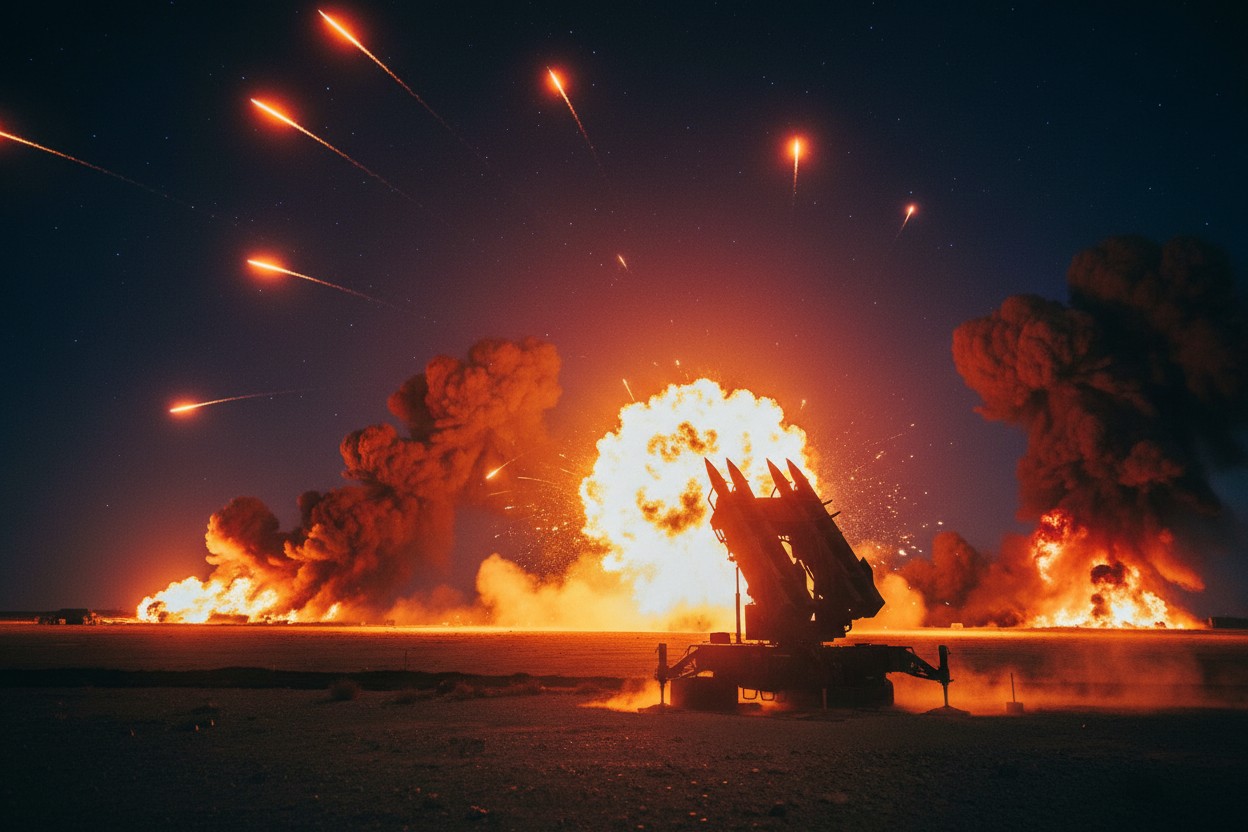
Iranian forces launch strikes on US military bases in Kuwait and Bahrain. — Source: gdelt
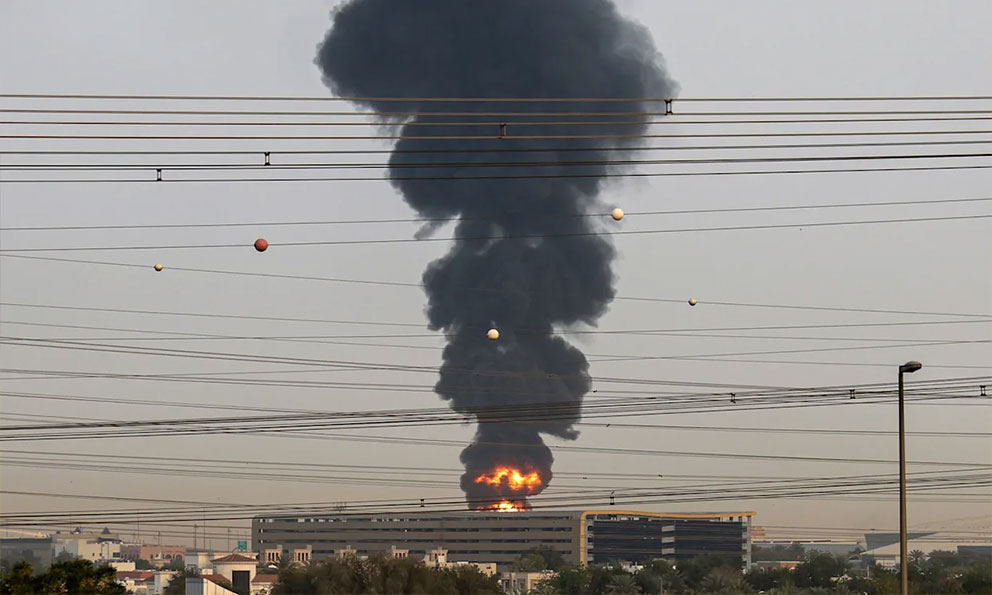
Iran’s Islamic Revolutionary Guard Corps and army launched missile and drone strikes on July 9 against U.S. bases in Kuwait and Bahrain. [2] The operation began around 4:00 a.m. local time and struck Arifjan and Ali al-Salem bases in Kuwait as well as Juffair and Sheikh Isa bases in Bahrain. [2] Iranian forces also hit a Patriot air defense system in Kuwait, an early-warning satellite antenna in Qatar, and U.S. fuel storage facilities in Bahrain with attack drones. [2] Social media footage showed a missile striking the U.S. Fifth Fleet base in Bahrain. [2] The IRGC described the action as the first phase of a punitive response and warned that further U.S. aggression would bring expanded strikes on other regional U.S. bases. [2] Iran stated it would not allow Washington to achieve its objectives. [2]
Impact on Shipping in the Strait of Hormuz
Data from the independent tanker owners’ organization Intertanko shows that daily ship traffic through the Strait of Hormuz has fallen to around 30 vessels per day. [4] This represents a decline of more than 75 percent from the roughly 130 ships that transited daily before the war began. [4] Traffic on the southern route closer to Oman has dropped into single digits. [4] Intertanko director Phil Belcher told BBC Radio 4 that vessels are avoiding the area because of rising security risks tied to the cycle of strikes. [4] The drop followed U.S. strikes on 90 Iranian military targets near the strait and Iranian retaliation on U.S. assets in the Gulf. [4]
Context of Ceasefire Breakdown and Khamenei Funerals
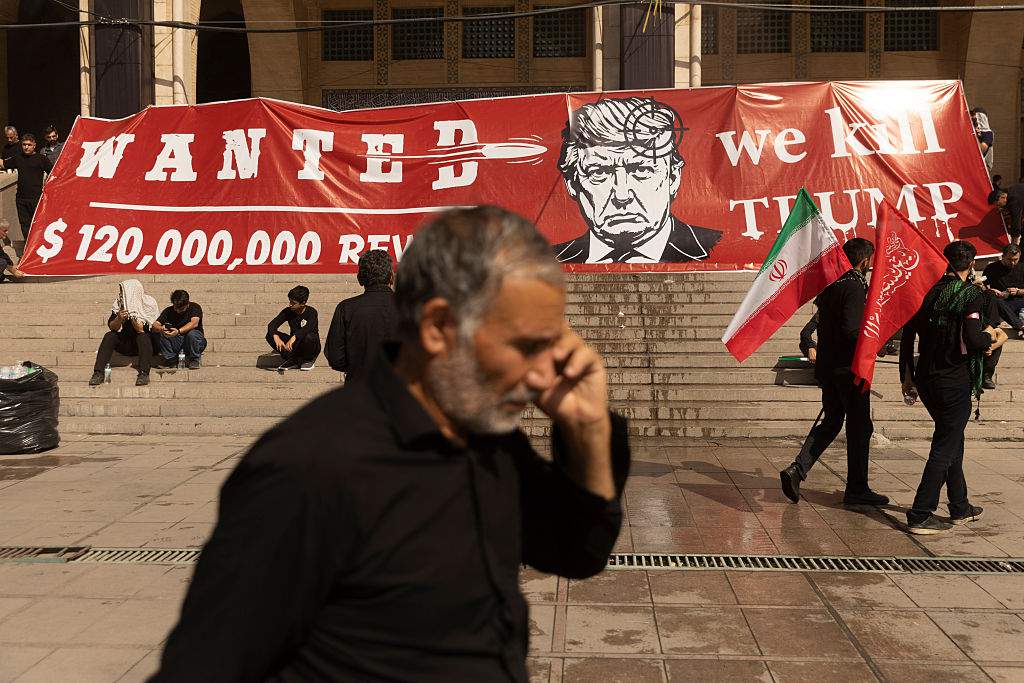
Iran warns of retaliation after US airstrikes hit over 170 military targets across the country. — Source: gdelt
President Trump declared the ceasefire over on July 8, describing it as a waste of time. [2] The renewed fighting occurred as Iran held the final day of funeral processions for slain Supreme Leader Ali Khamenei in Mashhad. [2] [3] Iranian state media reported that U.S. strikes hit bridges and railway links between Tehran and Mashhad. [3] The escalation followed earlier Iranian attacks on commercial ships in the Strait of Hormuz and preceded the latest round of U.S. airstrikes. [1] [2] NATO Secretary-General Mark Rutte called the U.S. strikes absolutely necessary. [2]
Threats, Intelligence, and Regional Involvement
Iranian officials warned that any attack on infrastructure would be retaliated against and that the criminal Zionist regime would not be safe from the response of Iranian fighters. [3] Israeli Prime Minister Benjamin Netanyahu spoke with President Trump about the latest U.S. actions, and Israeli Defense Minister Israel Katz said Israel stands ready to resume its military campaign against Iran with even greater force if needed. [3] The White House received Israeli intelligence about an alleged new Iranian plot to assassinate Trump linked to threats stemming from the 2020 killing of Qassem Soleimani. [1] During events in Ankara and an interview with the New York Post, Trump stated he has issued orders for massive bombing of Iran in the event of his assassination. [1] Jordan reported intercepting eight Iranian missiles crossing its airspace, and U.S. officials said most Iranian missiles were shot down by the United States and its allies. [1]
Casualties, Damage, and Current Outlook
Iranian authorities reported at least 14 killed and 78 wounded, with 47 people hospitalized including eight army officers. [2] Other Iranian reports cited at least 17 killed. [3] Strikes damaged ports at Shahid Beheshti and Kalantari in Chabahar, causing power outages that were later partially restored, and hit areas in Bushehr, Abu Musa Island, and Kabudarahang County. [2] The Tehran-Mashhad railway service was suspended after a strike on the route. [2] Iranian state media reported explosions near the Bushehr nuclear power plant and in locations including Konarak, Sirik, Jask, and Bandar Abbas. [4] [5] The situation remains fluid as both sides continue operations. [2]
What to watch next: Further Iranian retaliation if U.S. aggression is repeated, possible Israeli re-entry into direct strikes, and whether shipping traffic in the Strait of Hormuz remains suppressed amid ongoing risks.