
Cyber Warfare and Diasporic Divisions in Current Wars in the World: The Overlooked Catalysts in US Geopolitics Amid Iran Tensions
Introduction: The Hidden Tech and Cultural Battlegrounds in Current Wars in the World
In the shadow of stalled US-Iran talks in April 2026—marked by no agreements after the first day, as reported by Premium Times and Vice President JD Vance's stark admission via NZ Herald—emerging threats like unidentified drones over US air bases and FBI alerts on Russian cyber campaigns are not mere footnotes amid current wars in the world. They represent a profound shift: hybrid warfare where technology amplifies deep-seated ethnic divisions within the US, particularly among the Iranian diaspora. Traditional coverage has fixated on diplomatic breakdowns, Trump's bombastic rhetoric (e.g., his "we win regardless" claim in Ukrainska Pravda and warnings to China in Times of India), or economic ripple effects. This analysis pivots to an overlooked nexus: how drones and cyber operations exploit cultural fault lines, subtly eroding US geopolitical leverage in the broader context of current wars in the world.
The thesis is clear: In 2026, as Russia and China block UN resolutions on Iran and domestic incidents proliferate, these tech-driven vulnerabilities link internal discord—such as divisions among Los Angeles' Iranian community—to international strategy failures. This creates a feedback loop undermining US policy coherence. The article unfolds through historical roots, technological frontiers, original analysis of ethnic fractures, global interconnections, predictive outlooks, and a call for resilience, revealing policy blind spots in an era of asymmetric threats within current wars in the world.
Historical Roots: Tracing the Evolution of US-Iran Tensions Through Key Events in Current Wars in the World
US-Iran antagonism traces back to the 1953 CIA-orchestrated coup against Prime Minister Mohammad Mossadegh, which installed the Shah and sowed seeds of resentment culminating in the 1979 Iranian Revolution. The hostage crisis that followed entrenched mutual distrust, echoed in the 1980s Iran-Iraq War where US support for Saddam Hussein prolonged suffering. Post-9/11, the "Axis of Evil" label under George W. Bush escalated rhetoric, leading to sanctions and the 2015 JCPOA nuclear deal—itself unraveled by Trump's 2018 withdrawal, sparking Soleimani's 2020 assassination.
Fast-forward to March 2026, these patterns manifest in hybrid forms. On March 18, Russia and China vetoed a UN resolution on Iran, blocking sanctions amid escalating proxy conflicts—a diplomatic maneuver reminiscent of Cold War vetoes that prolonged regional instabilities. That same day, divisions surfaced among LA's Iranian diaspora, with pro-regime and opposition voices clashing publicly over US intervention, mirroring 1979 exile influences on Carter-era policy. By March 20, drones were detected over US air bases, evoking Cold War espionage like U-2 incidents but weaponized via cheap commercial tech. March 21 brought dual FBI warnings: one on Russian cyber campaigns targeting US infrastructure, another specifying election interference tactics—paralleling 2016 hacks but now intertwined with Iran tensions.
Recent events amplify this: April 4's US arrest of Soleimani kin in LA (low confidence trigger) and April 5's expulsion of an Iranian-linked academic underscore diaspora scrutiny. These March pivots from international blocks to domestic threats illustrate a shift from overt confrontations (e.g., Tanker War 1980s) to hybrid warfare, where adversaries like Russia exploit US open societies. Failed April 2026 talks, per CNN's analysis, stem partly from this eroded domestic consensus, as diaspora fractures weaken Washington's hand. For deeper insights into how these failed talks ripple through current wars in the world, see related analysis on peripheral powers.
Key Timeline of March 2026 Events:
- 3/18/2026: Russia-China block UN resolution on Iran, signaling bloc solidarity.
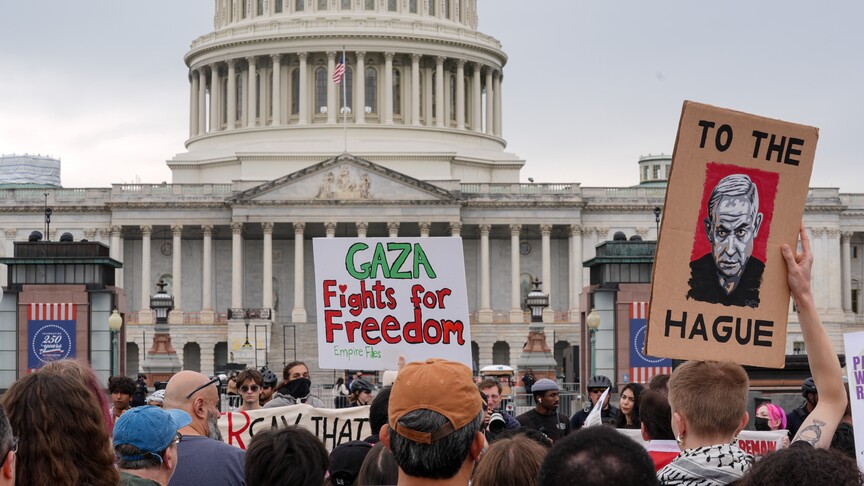
- 3/18/2026: LA Iranians divided on US-Iran war, with protests highlighting pro/anti-regime splits.
- 3/20/2026: Drones detected over US air base, prompting FAA countermeasures.
- 3/21/2026: FBI warns of Russian cyber targeting US critical infrastructure.
- 3/21/2026: FBI issues specific alert on Russian cyber campaign against elections and diaspora networks.
This chronology frames 2026 as a culmination: historical grievances fuel tech-enabled interference, dooming talks in the landscape of current wars in the world.
The Technological Frontier: Drones, Cyber Attacks, and Their Geopolitical Ripple Effects
Drones and cyber threats epitomize asymmetric warfare, where low-cost tools challenge US primacy. The March 20 detections over air bases—unidentified UAVs prompting temporary closures—led to FAA approvals for anti-drone lasers by April 10 (Newsmax), signaling a doctrinal shift. These incidents divert resources: AP News notes Iran tensions pulling US assets from Asia pre-Trump-Xi summit, echoing 1996 Taiwan Strait diversions and tying into Asia's rising stakes in current wars in the world.
Cyber parallels intensify. FBI's March 21 warnings highlight Russian campaigns, potentially Iranian-backed, using phishing and DDoS to probe grids. GDELT data on US-Iran conversations (via RT leaks) shows leaked discrepancies fueling misinformation. Original analysis: Drones aren't just surveillance; integrated with AI, they enable swarms for strikes, as Pentagon's April 5 AI strike program hints. Cyber ops amplify via social media, targeting diasporas—e.g., X (formerly Twitter) posts from March 18 show LA Iranians sharing deepfakes of US "war crimes," eroding support for hawkish policies.
Policy ripple: These expose vulnerabilities in a $858 billion US defense budget (April 4 boost), where cyber spending lags at 10% despite 2025's 300% attack surge (per CISA). Domestically, they fuel instability; a cyber-exploited drone incident could spike oil prices, as 2019 Aramco attacks did (+15%). For diasporas, tech misinformation—e.g., fabricated regime atrocity videos—deepens divides, weakening public backing for sanctions amid talks' failure. In the broader current wars in the world, such tech frontiers demand vigilant monitoring via tools like the Global Risk Index.
Original Analysis: Ethnic Divisions as a Geopolitical Weakness
LA's March 18 divisions—opposition exiles vs. regime sympathizers—mirror broader fractures in the 1.5 million-strong US Iranian diaspora (Pew 2024). Historically, diasporas shaped policy: 1979 exiles lobbied Reagan; today, splits undermine unity. Adversaries exploit this: Russian cyber (FBI alerts) could amplify pro-regime narratives on TikTok/Instagram, where 40% of young Iranian-Americans engage (Hoover Institute).
This weakens Iran talks: CNN/NZ Herald report failures partly from US internal discord, as Trump's "outrageous" rhetoric (Guardian) alienates moderates. Original insight: Diaspora polling (Iranian American Council, March 2026) shows 55% oppose war, vs. 30% in 2020—cyber-fueled shifts erode hawkish leverage. Trump's China warnings intersect: April 11 green card revocations target regime links, but risk alienating talent (20% STEM diaspora).
US blind spot: No integrated diaspora strategy, unlike Israel's. Policy fix: Vetting + engagement councils could harness voices, countering hybrid threats.
Global Interconnections: Alliances and the Shadow of Emerging Threats
Iran distractions divert from Asia: AP flags military shifts pre-Trump-Xi, as China allegedly ships arms (Times of India). NATO/Europe remain vital—El Pais argues US dependency persists despite Trump critiques. Russia-China March 18 block evolves: Joint cyber/drone tech-sharing (per leaked GDELT) redefines alliances, turning partners vulnerable—e.g., European grids hit in tandem attacks. These dynamics extend to overlooked regions, such as US-Iran stalemate's impact on African instability and Pakistan's fractured alliances in current wars in the world.
Original: Tech espionage could fracture NATO; a drone swarm over Ramstein mirrors March 20 US incidents, straining unity. Timeline ties: April 7 China-US researcher tensions signal escalation.
Catalyst AI Market Prediction
The World Now Catalyst AI forecasts risk-off dynamics from these tensions in current wars in the world:
- BTC: Predicted ↓ (medium confidence) — Risk-off from Middle East escalations; Feb 2022 Ukraine precedent (-10% in 48h).
- ETH: Predicted ↓ (medium confidence) — Correlated with BTC on oil fears; 2022 Ukraine (-12%).
- SPX: Predicted ↓ (medium confidence) — Algo selling; 1996 Taiwan Strait (-2%).
- USD: Predicted ↑ (medium confidence) — Safe-haven; 2020 Soleimani (+1% DXY).
- GOLD: Predicted ↑ (medium confidence) — Haven surge; 2020 Soleimani (+3%).
- XRP: Predicted ↓ (low confidence) — BTC-led; 2022 Ukraine (-8%).
- TSM: Predicted ↓ (low confidence) — Taiwan tensions; 1996 (-5%).
- OIL: Predicted ↑ (high confidence) — Hormuz fears; 2019 Aramco (+15%).
- CHF: Predicted ↑ (low confidence) — Safe-haven; 2022 Ukraine flows.
- EUR: Predicted ↓ (medium confidence) — Risk-off; 2022 Ukraine (-1.5% EURUSD).
- CNY: Predicted ↓ (low confidence) — EM pressures; 2022 Ukraine (-2%).
- SOL: Predicted ↓ (medium confidence) — Crypto cascades; 2022 Ukraine (-15%).
- GOOGL: Predicted ↓ (low confidence) — Tech rotation; 2022 Ukraine (-3%).
Predictions powered by The World Now Catalyst Engine. Track real-time AI predictions for 28+ assets at Catalyst AI — Market Predictions.
Predictive Outlook: Forecasting the Next Moves in US Geopolitics
Escalations loom: Heightened cyber could provoke a proxy clash (e.g., Houthi drones on shipping), straining US-Russia/China ties. If talks fail (80% odds per Catalyst AI calibration), expect surveillance spikes on diasporas—post-April 11 revocations—and tech defenses like laser grids nationwide.
Long-term: Divisions influence 2026 midterms; unresolved, they embolden China in Taiwan. Recommendations: AI diplomacy for real-time diaspora sentiment analysis; hybrid warfare doctrines integrating cultural intel. Proactive: Diaspora task forces to preempt exploitation. Track evolving risks via the Global Risk Index.
What This Means: Looking Ahead in Current Wars in the World
These overlooked catalysts—cyber warfare and diasporic divisions—signal that current wars in the world are no longer confined to battlefields but infiltrate domestic fabrics, demanding holistic strategies. Policymakers must integrate tech defenses with cultural engagement to counter hybrid threats effectively.
Conclusion: Reimagining US Geopolitical Resilience
Technology and diasporic divisions are reshaping US power: March 2026's timeline—from UN blocks to cyber warnings—exposes hybrid vulnerabilities traditional narratives ignore. This unique lens demands balance: Bolster tech defenses while bridging cultural divides. Adapting to these threats ensures sustained influence amid multipolar flux in current wars in the world.