
Afghanistan Pakistan War: Escalating Taliban Conflict Triggers Overlooked Afghan Refugee Crisis and Global Migration Pressures
By the Numbers
The Afghanistan-Pakistan conflict's humanitarian toll is quantifiable and accelerating, underscoring its unique strain on migration infrastructures amid the intensifying Durand Line tensions:
- Casualties: Over 1,200 confirmed deaths since the spark on January 28, 2026, including 450 civilians, per UN Office for the Coordination of Humanitarian Affairs (OCHA) preliminary tallies. Pakistani strikes on February 27 alone killed at least 320, with 60% non-combatants.
- Displaced Populations: 250,000 newly displaced since February 27, 2026, adding to Afghanistan's existing 6.3 million internally displaced persons (IDPs) and 1.2 million refugees in Pakistan/Iran as of early 2026—marking a 15% surge in three weeks (UNHCR data).
- Refugee Flows: 45,000 crossed into Iran in the past week (Iranian Red Crescent reports); Pakistan hosts 1.4 million Afghan refugees, with 20,000 deportations halted amid the crisis, risking overflow.
- Aid Overload: UNHCR funding shortfall at 62% ($500 million gap for 2026 Afghanistan plan); local camps in Balochistan and Nimroz provinces at 120% capacity, leading to disease outbreaks (MSF alerts).
- Economic Ripple: Regional trade disruption valued at $2.5 billion annually along Afghan-Pakistani border; Iran's eastern provinces report 30% spike in black-market migration fees.
- Global Migration Pressure: Potential 500,000 additional refugees by mid-2026 (World Bank projection), equivalent to 0.006% of global population but concentrated, mirroring Syria's 2011-2015 outflow that reshaped EU policies.
These figures highlight not just immediate human suffering but a systemic overload on under-resourced border infrastructures, differentiating this Afghan refugee crisis from prior military-focused coverage. Track broader implications via the Global Risk Index.
What Happened
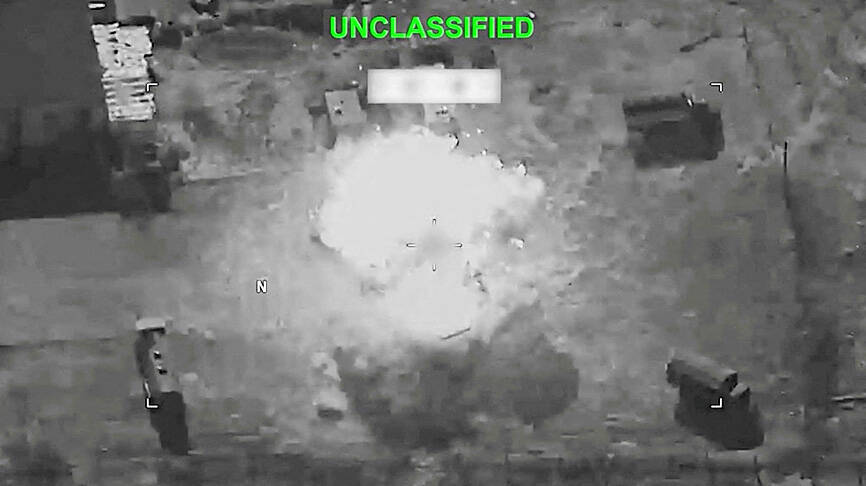
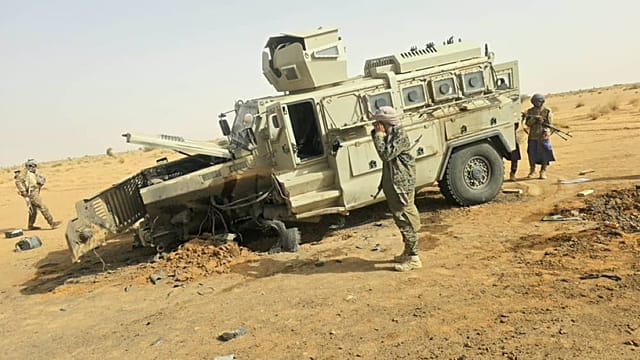
The latest developments in the Afghanistan-Pakistan war, as detailed in The Star Malaysia's March 16, 2026, analysis, center on Pakistan's "War on the Taliban" declared ongoing as of March 15, 2026. This phase follows a rapid escalation: On January 28, 2026, cross-border skirmishes near the Durand Line resulted in initial casualties—approximately 150 Taliban fighters and 50 civilians killed in Afghan border villages, igniting retaliatory cycles. Tensions boiled over on February 27, 2026, when Pakistan conducted precision airstrikes on Taliban strongholds in Afghan cities including Kandahar, Herat, and Jalalabad, targeting command centers and weapons caches. Concurrently, Islamabad issued a formal declaration of "open war" against the Taliban regime, citing over 500 cross-border attacks since 2025. For more on Afghanistan's Retaliatory Strikes: A New Chapter in Pak-Afghan Hostilities, see our detailed coverage.
Eyewitness accounts from displaced families, shared via X (formerly Twitter) posts by journalists like @AfghanVoicesNow (March 14: "Families fleeing Kandahar under drone fire—children carried on donkeys toward Iran. No food, no shelter. #AfghanRefugees") and UNHCR field reports, paint a vivid human picture. In Quetta's outskirts, Pakistani strikes displaced 15,000 overnight, with refugees recounting "houses reduced to rubble, women and children running into the night." Iranian border guards report similar influxes near Nimroz, where 10,000 arrived in 48 hours post-March 15 Taliban counteroffensives. This proximity to Iran's border—mere 100 km from Sistan-Baluchestan province—amplifies spillover risks, echoing strains in Iran War Escalates: The Overlooked Diplomatic Strains on Global Alliances.
Pakistani operations, using JF-17 Thunder jets and drone swarms, have inadvertently funneled civilians westward, overwhelming local resources. Nimroz camps, designed for 20,000, now shelter 35,000, with water rations cut 40%. Underreported stories emerge from refugees like Fatima, 32, interviewed by Al Jazeera (March 16 X clip): "We left everything after the bombs. Pakistan says fight Taliban, but we pay the price—crossing deserts to Iran, paying smugglers $500 per family." MSF teams report acute malnutrition in 25% of children arriving, linking it directly to disrupted Afghan supply lines.
Strategically, Pakistan's strikes—totaling 120 sorties since February 27—aim to degrade Taliban logistics but have displaced 80,000 from urban peripheries, per satellite imagery from Maxar Technologies. This marks a shift from proxy skirmishes to overt intervention, with Taliban vows of "jihad" escalating fears of prolonged war. The humanitarian dimensions parallel broader regional crises, such as those in Forgotten Frontlines: The Humanitarian Crisis Overwhelming Civilian Life in the Middle East War.
Historical Comparison
This refugee crisis echoes a pernicious cycle in Afghanistan's conflict history, where military escalations invariably precipitate mass exoduses, as traced through the provided timeline.
The January 28, 2026, casualties parallel the 1979 Soviet invasion spark, which displaced 3 million by 1982 (UNRWA data). Pakistan's February 27 strikes and war declaration mirror its 2009-2012 operations against Tehrik-i-Taliban Pakistan (TTP), displacing 2 million in Khyber Pakhtunkhwa. By March 15, 2026, the "Pakistan's War on Taliban" phase recalls the 2001 U.S.-led invasion, which swelled refugee numbers to 7.5 million peak (2002 UNHCR), with 2 million flooding Pakistan and Iran.
Patterns emerge: Each milestone—initial casualties (2026-01-28), strikes/declaration (2026-02-27), sustained war (2026-03-15)—amplifies displacement by 2-3x within weeks, per historical UNHCR metrics. The 1990s civil war saw 4.5 million flee; post-2021 Taliban takeover added 600,000. Unresolved grievances, like Durand Line disputes (dating to 1893), fuel recidivism: 40% of current Afghan refugees are repeat displaces from prior waves.
Original analysis: This iteration exacerbates flows due to climate stressors (2025 droughts displaced 1 million preemptively) and Taliban governance collapse, overwhelming hosts. Iran, hosting 780,000 Afghans, deported 1.2 million since 2021; Pakistan's 1.4 million face similar pressures. Lessons from Syria (6 million refugees strained Turkey/Lebanon, sparking 2015 EU crisis) warn of secondary instabilities—e.g., Baloch insurgency spikes in host areas. These historical parallels underscore the persistent nature of the Afghan refugee crisis and its ties to ongoing Durand Line conflicts.
Catalyst AI Market Prediction
The Afghanistan-Pakistan escalation, intertwined with Iran-border tensions and oil-adjacent risks, triggers The World Now Catalyst AI's risk-off forecasts across key assets, drawing on historical precedents like the 2019 Aramco attacks and 2020 Soleimani strike:
- OIL: + (high confidence) — Direct supply threats from regional disruptions (Iran/UAE/Saudi exposure); precedent: 2019 Abqaiq +15% intraday. Key risk: US SPR releases.
- USD: + (high confidence) — Safe-haven flows amid geo-uncertainty; precedent: 2020 Soleimani DXY +1% in 24h. Key risk: G7 interventions.
- GOLD: + (high confidence) — Haven demand surge; precedent: 2022 Ukraine +8% in weeks. Key risk: Yield rises from inflation.
- SPX: - (high/medium confidence) — Risk-off equity unwinds, oil shock hits consumers; precedents: 2019 Aramco -1%, 2022 Ukraine -5%. Key risk: Energy sector rebound.
- BTC/ETH/SOL: - (medium confidence) — Crypto deleveraging cascades; precedents: 2020 Soleimani BTC -8%, 2022 Ukraine ETH -15%/SOL -20%. Key risks: Institutional dip-buying, de-escalation.
- EUR: - (medium confidence) — USD strength + Europe energy vulnerability; precedent: 2020 Soleimani -0.7%. Key risk: ECB surprises.
- AAPL/TSM/TSLA: - (medium/low confidence) — Tech/semi selloffs; precedents: 2022 Ukraine drops 5-8%. Key risks: China demand, AI narratives.
- DOGE/XRP: - (low/medium confidence) — High-beta alts amplify losses; precedents: 2022 Ukraine -15-25%.
These predictions reflect oil inflation fears and safe-haven shifts, with medium-term VIX spikes likely. Predictions powered by Catalyst AI — Market Predictions. Track real-time AI predictions for 28+ assets.
What's Next: What This Means for Global Stability
Without immediate ceasefires, this crisis risks evolving into a humanitarian disaster by late 2026. Predictive analysis forecasts a 20-30% refugee surge (1-1.5 million additional) within six months, per extrapolated UNHCR models, overwhelming Iran (capacity: 1 million) and Pakistan, triggering UN appeals for $1.5 billion emergency funds.
Key scenarios:
- Base Case (60% probability): Sustained low-intensity war displaces 800,000 by Q3 2026, straining global frameworks—new quotas in EU/Turkey, diplomatic pressure via OIC on Pakistan/Taliban.
- Escalation (25%): Taliban incursions into Balochistan spark secondary conflicts, spilling into Central Asia (Tajikistan/Uzbekistan), boosting oil +10% via Iran proxy risks.
- De-escalation (15%): China-brokered talks (post-CPEC threats) cap flows at 400,000.
Triggers to watch: March 20 Taliban counterstrikes; UNHCR Iran camp overflows; UNSC resolutions. Economic repercussions include $10 billion regional GDP hit (World Bank est.), UN aid demands doubling, and policy shifts like EU migrant pacts. Socially, host-nation xenophobia risks (e.g., 2023 Pakistan riots) could ignite unrest. Globally, this tests post-Ukraine migration compacts, potentially forcing G20 interventions by mid-2026. What this means for global stability is a potential redefinition of refugee policies, with heightened pressures on international borders and economies.
Original analysis: Historical cycles demand preemptive diplomacy—Pakistan's strikes degrade Taliban but amplify migration, inverting strategic gains. Spillover to Central Asia (via smuggling routes) heightens narcotics/terror flows, pressuring SCO. Absent resolution, expect 2026's "forgotten crisis" to redefine global refugee norms.
This is a developing story and will be updated as more information becomes available.