
Strike in Lebanon: Israeli PM Demands Action on Hezbollah Rockets and Drones
Israeli Prime Minister Benjamin Netanyahu has emphasized that Hezbollah's rockets and drones represent a persistent key threat necessitating military action, even as Israel's army continues and expands strikes on Lebanon amid a ceasefire.[1] This strike Lebanon escalation underscores the fragile state of border tensions, with reports of casualties and counteractions highlighting the challenges in maintaining the truce. Netanyahu's remarks come as Israeli forces target areas in southern Lebanon, prompting responses from Hezbollah and criticism from Lebanese leadership.[1][2]
Background of the Conflict
The ongoing tensions between Israel and Hezbollah have deep roots, marked by repeated exchanges of threats and military actions across Lebanon's border.[3] Israeli Prime Minister Benjamin Netanyahu recently reiterated that Hezbollah's arsenal of rockets and drones constitutes a primary security concern, justifying continued military operations despite the existence of a ceasefire agreement.[1] This perspective frames the conflict as one where Israel's defensive posture requires proactive measures to neutralize threats from the Iran-backed group.
Hezbollah, for its part, has maintained a stance of defiance, swapping strikes and verbal warnings with Israeli forces.[3] The group's actions and rhetoric suggest an unwillingness to stand down, particularly in light of perceived violations of ceasefire terms. Lebanon's involvement in this cross-border dynamic has drawn sharp domestic commentary, with President Joseph Aoun pointing to direct negotiations as a path to ending the Israel-Hezbollah war.[1] Aoun's reference to "treason" targets those who pulled Lebanon into the fray, implicitly criticizing Hezbollah's role in escalating the situation through attacks on Israeli targets in southern Lebanon.[1]
This backdrop of mutual accusations and military posturing illustrates the precarious balance along the border. Israel's expansion of strikes signals a lack of confidence in the ceasefire's ability to curb Hezbollah's capabilities, while the group's claims of operations in south Lebanon reinforce its commitment to responding forcefully.[1][3] The exchange of threats, including strong language from Israel's defense minister, further entrenches the cycle of confrontation.[3] These elements collectively provide context for the current flare-up, where diplomatic overtures coexist uneasily with active hostilities.
Recent Israeli Military Actions
Israel's military has intensified operations in southern Lebanon, conducting airstrikes and artillery shelling on several areas, resulting in significant reported impacts.[2] Prime Minister Benjamin Netanyahu justified these actions by highlighting Hezbollah's rockets and drones as an enduring threat that demands response, even as the army expands its strikes despite the ceasefire.[1] This approach reflects Israel's strategy to degrade Hezbollah's infrastructure and capabilities along the border.
The strikes have been described as targeted efforts to address immediate threats, with reports detailing the scope of operations in southern regions.[2] Netanyahu's statements position these military moves as essential for national security, underscoring the perceived necessity of action in the face of ongoing provocations from Hezbollah.[1] The continuation of such operations post-ceasefire indicates a gap between the truce's intent and the realities on the ground, where Israel views preemptive or responsive strikes as vital.
In this context, the Israeli army's expansion of activities points to a broader campaign aimed at maintaining pressure on Hezbollah positions.[1] Reports from the region confirm the use of both airstrikes and artillery, suggesting a multi-faceted approach to countering rocket and drone threats.[2] These actions occur against a backdrop of border instability, where Israel's military leadership sees no alternative to direct intervention to protect its forces and territory.
{IMAGE_2}
Hezbollah's Responses and Claims
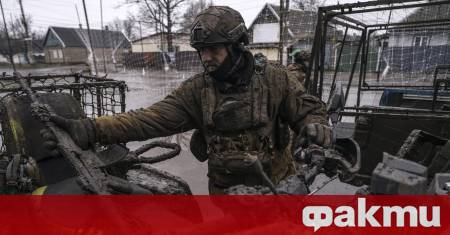
Hezbollah has mounted counteractions using suicide drones that pose a notable challenge to Israeli forces operating in Lebanon.[4] The group has explicitly vowed to respond to what it describes as Israeli ceasefire violations, launching operations that target military equipment.[4][5] In one such instance, Hezbollah claimed successful hits on an Israeli tank and bulldozer in southern Lebanon, framing these as direct reprisals.[5]
These drone operations represent a tactical evolution, with suicide drones complicating Israeli defensive efforts along the border.[4] Hezbollah's vows to counter violations indicate a policy of retaliation, maintaining offensive pressure despite the ceasefire framework.[4] The claims of striking specific Israeli assets, such as tanks and bulldozers, are presented by the group as evidence of their operational effectiveness in response to Israeli actions.[5]
This pattern of responses aligns with Hezbollah's broader defiance, as seen in ongoing border exchanges.[3][4] By targeting military hardware, Hezbollah aims to deter further incursions and assert its presence in southern Lebanon.[5] The use of drones adds a layer of asymmetry to the conflict, allowing the group to challenge Israeli superiority in certain domains.[4] These claims and actions sustain the tit-for-tat dynamic, with Hezbollah positioning itself as a resolute actor unwilling to cede ground.
Key Statements from Involved Parties
Leaders on both sides have issued pointed declarations that encapsulate their positions amid the escalating border tensions.[1][3] Israeli Prime Minister Benjamin Netanyahu stated unequivocally that Hezbollah's rockets and drones remain a key threat requiring military action, justifying Israel's continued strikes on Lebanon despite the ceasefire.[1] This rhetoric emphasizes the urgency Israel attaches to neutralizing these capabilities.
From the Israeli side, the defense minister has escalated warnings, threatening to "burn all of Lebanon" in response to Hezbollah activities, highlighting the intensity of official threats.[3] Hezbollah, in turn, has reiterated its defiance, engaging in a swap of strikes and verbal barbs across the border.[3] These statements from the Iran-linked group underscore a refusal to back down, framing their actions as legitimate resistance.
Lebanese President Joseph Aoun has entered the discourse by advocating direct negotiations with Israel to conclude the war, while condemning those who involved Lebanon as committing "treason"—a clear reference to Hezbollah.[1] Aoun's comments jab at the group's role in dragging the country into conflict through claimed attacks on Israeli targets.[1] Collectively, these declarations frame the situation as a multifaceted standoff, with military threats from Israel and Hezbollah contrasting Aoun's call for diplomatic resolution.[1][3]
{IMAGE_3}
Casualties and Current Status
Israeli strikes on southern Lebanon have resulted in four people killed and 51 injured, according to reports detailing the impacts of airstrikes and artillery shelling.[2] These casualties reflect the immediate human cost of the ongoing military exchanges in the region.[2]
Hezbollah's responses, including claims of hitting an Israeli tank and bulldozer, add to the current status of active border confrontations, carried out in retaliation for perceived ceasefire violations.[5] The group's operations contribute to a picture of sustained hostilities, where both sides report successes in their respective actions.[2][5]
The current dynamics involve continued strikes and counterstrikes, with casualties underscoring the volatility.[2] Hezbollah's assertions of damaging Israeli equipment suggest mutual impacts, though focused on military assets rather than personnel in their claims.[5] This status quo of exchanges persists despite ceasefire efforts, maintaining pressure along the border.
Ceasefire Violations and Broader Implications
Reported violations of the ceasefire have fueled the cycle of actions, with both Israel and Hezbollah citing the other's breaches as justification for their moves.[1][4] Netanyahu's insistence on military action against rockets and drones highlights Israel's view of these as fundamental threats persisting beyond truce terms.[1] Hezbollah's vows to counter violations through drones and strikes on equipment like tanks and bulldozers exemplify their reciprocal stance.[4][5]
Lebanese President Aoun's push for direct negotiations contrasts with these military escalations, positioning diplomacy as an alternative amid the "treason" of involvement.[1] The swapping of threats, including Israel's defense minister's severe warnings, amplifies the risk of wider escalation.[3] This interplay of violations shapes the conflict's trajectory, where strikes continue to test the ceasefire's limits.[1][2]
The implications involve a delicate balance, with ongoing operations in southern Lebanon sustaining tensions.[2][5] Hezbollah's challenges via drones and claims of hits maintain their operational tempo.[4] Israel's expansions signal no relaxation in pressure.[1] These factors collectively define the precarious current environment.
What to watch next: Further developments may hinge on whether Israeli strikes intensify in response to Hezbollah drones and rockets, or if Lebanese-led direct negotiations gain traction to enforce the ceasefire, as indicated by recent leadership statements.[1][3]