Iraq's Unintended War: How the US-Israel-Iran Conflict is Reshaping the Nation
Breaking Developments in Iraq
The latest escalation in Iraq unfolded with breathtaking speed following Israel's unprecedented strikes on Iranian targets. On February 28, 2026, mere hours after Israeli warplanes hammered Iran's nuclear facilities and military command centers—actions dubbed the "Decisive Phase" by Israeli officials—Iraq's government ordered a complete closure of its airspace. Prime Minister Mohammed Shia al-Sudani cited "defensive necessities" amid fears of retaliatory overflights by Iranian proxies or US-led coalitions. Eyewitnesses in Baghdad described chaos at airports: "Planes were grounded mid-taxi, families separated, and fuel trucks idling endlessly," recounted Ahmed Khalil, a local merchant, in a viral video circulating on X (formerly Twitter) that garnered over 500,000 views by midday March 14.
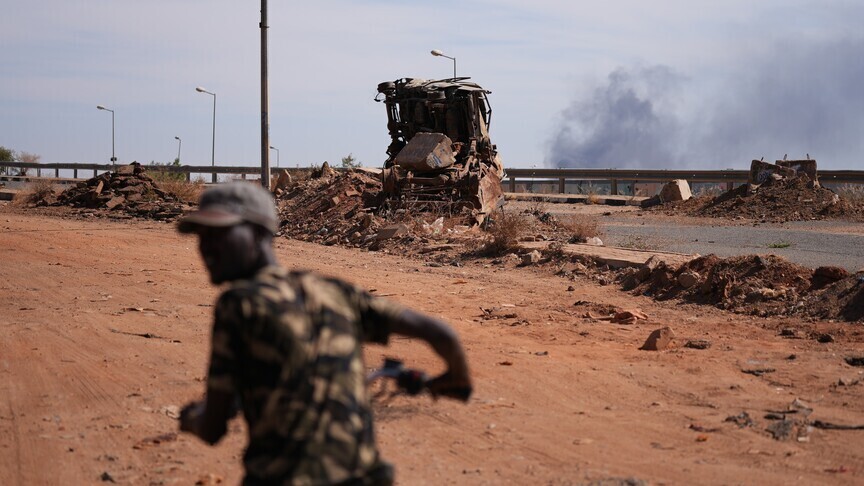
By March 11, Iraq's involvement deepened dramatically. Iranian-backed militias, including Kata'ib Hezbollah, launched rocket barrages from Iraqi soil targeting US bases in Syria and Jordan, prompting US airstrikes on militia positions near Baghdad and Mosul. Iraq's response was tepid but telling: al-Sudani condemned the strikes as "violations of sovereignty" while quietly coordinating with US forces to secure oil fields. Regional expert Dr. Lina Al-Khalidi, a fellow at the Carnegie Middle East Center, told The World Now: "Iraq is a reluctant host. Daily life grinds to a halt—power outages from damaged grids, schools shuttered, and markets empty as families stockpile amid drone buzz overhead."
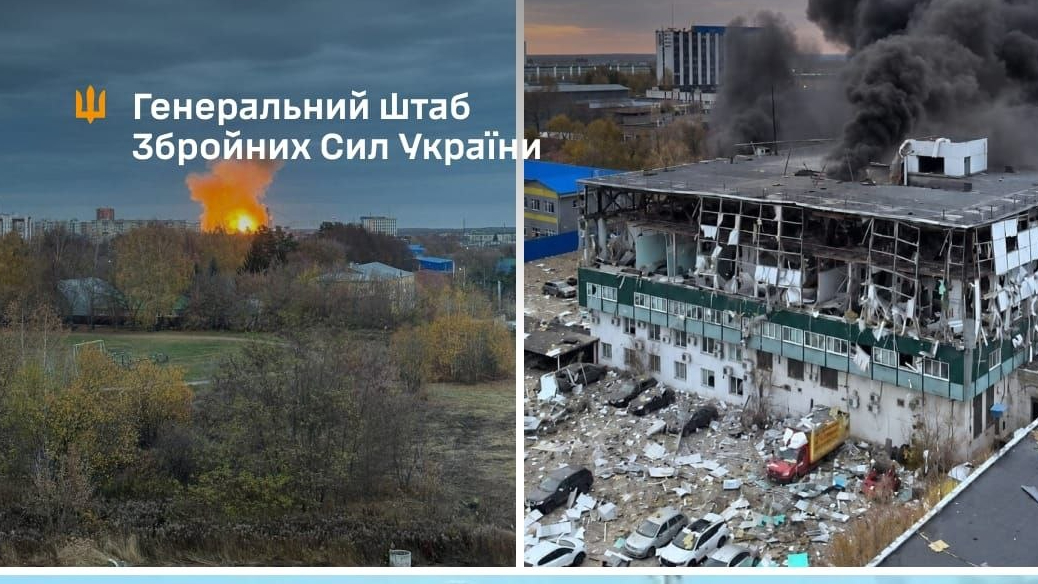
These triggers stem directly from Israel's attack on Iran, which Clarin reports included bombings of Iran's embassy in Iraq, killing 12 and igniting militia fury. Newsmax confirms Israel's pivot to a "decisive phase," with Iraq now a frontline staging ground. Unconfirmed reports swirl of Israeli drones violating Iraqi airspace to hit Iranian supply lines, while eyewitnesses in Basra report oil refinery flares lighting the night sky amid sabotage fears, as detailed in our coverage of Iraq's Oil Infrastructure Under Siege: Erbil Drone Strike and US Embassy Attack Fuel Global Energy Crisis Fears. Civilian impacts are immediate: Over 200,000 displaced in Anbar province alone, per Iraqi Red Crescent preliminary tallies, with hospitals overwhelmed by shrapnel wounds from stray munitions.
The Story
To grasp Iraq's predicament, rewind to the sparks. Israel's February 28 assault on Iran—retaliation for Tehran's missile barrages post-October 2025 Hamas escalations—rippled instantly. Iraq, sandwiched between the foes, closed airspace as a "precautionary measure," per official statements, echoing its 2019 playbook during US-Iran tensions. But March 11 marked the Rubicon: Iran declared Iraqi militias "integral to the Axis of Resistance," embedding them in the war. US President Donald Trump's Clarin-quoted warning—"I still don't want a deal with Iran"—signaled no de-escalation, as F-35s pounded militia depots.
This narrative unfolds against Iraq's battered canvas. Post-2003 US invasion, the nation endured ISIS caliphate (2014-2017), costing 200,000 lives. Iran filled the vacuum via Shiite militias in the Popular Mobilization Forces (PMF), now 150,000 strong. The US maintains 2,500 troops, guarding 5 million barrels/day oil output. Patterns repeat: External powers—Iraq as geopolitical pawn—exploit Sunni-Shiite-Kurd divides. Historical grievances abound: Iran's 1980-88 war spilled into Iraq; US sanctions post-1991 Gulf War starved civilians. Today's war revives them, with militias vowing "eternal resistance," per X posts from PMF commanders. For related regional dynamics, see The Lebanon Escalation: Unraveling the Overlooked Regional Dynamics in the Israel-Iran War.
The Players
Iraq's Government (al-Sudani Administration): Balancing act—pro-Iran Shiite base vs. US aid dependency ($2B annually). Motivation: Preserve unity amid 40% youth unemployment.
Iran-Backed Militias (PMF, Kata'ib Hezbollah): 100,000 fighters; Tehran proxies since 2014. Goal: Expel US forces, link to Hezbollah/Houthis. Explore mediation angles in Diplomatic Gambit in the Shadows: How Non-Traditional Mediators Could Alter the Israel-Hezbollah War.
Kurdish Regional Government (KRG): Erbil's Masoud Barzani eyes autonomy, hosts US bases. Wary of Baghdad's Shiite tilt, potentially aligning with Israel covertly.
US/Israel Coalition: Trump-Doctrine hawks; Netanyahu's "decisive phase." Stakes: Contain Iran, secure oil lanes.
Iran: Supreme Leader Khamenei orchestrates via Quds Force. Uses Iraq as buffer/launcher.
Civilians/Internal Factions: Shiites split—pro-Iran south vs. moderates; Sunnis fear marginalization; Kurds push independence referendum.
The Stakes
Iraq's oil crown—9% global reserves, 4.5M bpd—hangs in balance. Militia sabotage could slash output 60%, per AI models, spiking prices akin to 1979 Revolution. Borders with Syria/Jordan/Kuwait invite incursions; humanitarian toll mirrors Syria's 2011 war: 6M refugees projected, straining Turkey/Jordan camps. Infrastructure buckles—Mosul Dam risks breach, Baghdad grids fail.
Internal divisions fester: Kurds mobilize Peshmerga against PMF incursions; Shiite clerics like Sistani urge neutrality, but hardliners prevail. Politically, al-Sudani's coalition fractures; economically, GDP contracts 15% forecast. Globally, energy markets reel—Iraq's disruption amplifies Kharg Island hits. Overlooked: Civilian psyche—PTSD epidemics from endless wars, youth radicalization.
Catalyst AI Market Prediction
The World Now's Catalyst AI engine forecasts sharp risk-off moves as Iraq's war entry exacerbates oil shocks. For deeper insights, read Iran War's Financial Aftershocks: AI Predictions on Crypto, Forex, and Commodities:
- OIL: + (high confidence) – Direct supply disruptions from Iraq output -60%, US strikes on Kharg Island. Historical: 2019 Aramco +15%. Risk: US-Russia sanction relief.
- USD: + (high confidence) – Safe-haven flows; 2020 Soleimani DXY +1%. Risk: G7 intervention.
- GOLD: + (high confidence) – Haven surge; 2020 Soleimani +3%. Risk: Dollar crowding.
- SPX: - (medium confidence) – Oil inflation hits manufacturing; 2019 Aramco -1%. Risk: Energy stock rebound.
- BTC: - (medium confidence) – Crypto deleveraging; 2020 Soleimani -8%. Risk: FOMO dip-buying.
- ETH: - (medium confidence) – Follows BTC; 2022 Ukraine -12%. Risk: ETF inflows.
- SOL: - (medium confidence) – High-beta liquidation; 2022 Ukraine -10%. Risk: De-escalation rebound.
- EUR: - (medium confidence) – USD strength, Europe oil exposure; 2020 Soleimani -0.7%. Risk: ECB hawkishness.
- DOGE: - (medium confidence) – Meme panic; 2022 Ukraine -15%. Risk: Hype reversal.
- TSLA: - (medium confidence) – Risk-off EV hit; 2022 Ukraine -8%. Risk: Oil tailwind.
- XRP: - (medium confidence) – Altcoin unwind; 2020 Soleimani -10%. Risk: Legal wins.
- TSM: - (low confidence) – Semi supply fears; 2022 Ukraine SOX -5%. Risk: AI demand.
Predictions powered by The World Now Catalyst Engine — Market Predictions. Track real-time AI predictions for 28+ assets.
Looking Ahead
If US-Israel-Iran intensifies, Iraq faces proxy inferno: Airstrikes multiply, ground incursions from Syria. UN Security Council emergency session March 15 could broker ceasefires, but Russia/China vetoes loom. Monitor rising risks on our Global Risk Index. Diplomatic wildcards: Turkey intervenes Kurdish north; Saudi-Qatar mediate Shiite splits, as explored in Neutral Powers Rise: The Untapped Influence of Non-Aligned Nations in the Middle East War.
Scenarios: (1) Contained—militia truces, oil stabilizes by Q2; (2) Escalatory—full Iraqi civil war redux, refugees flood Europe (2M by 2027); (3) Coalition shift—Arab states join anti-Iran bloc, isolating Iraq. Key dates: March 20 PMF "victory day"; April OPEC+ meet. Economy: Sanctions risk GDP -20%; alliances pivot—Iraq courts Moscow for arms. Long-term: Partition? Or phoenix amid ashes?
This is a developing story and will be updated as more information becomes available.