Fractured Homefront: Israel's Internal Political Turmoil Amid the Prolonged Iran War
By David Okafor, Breaking News Editor, The World Now
March 15, 2026
Introduction: The Unseen Battle Within
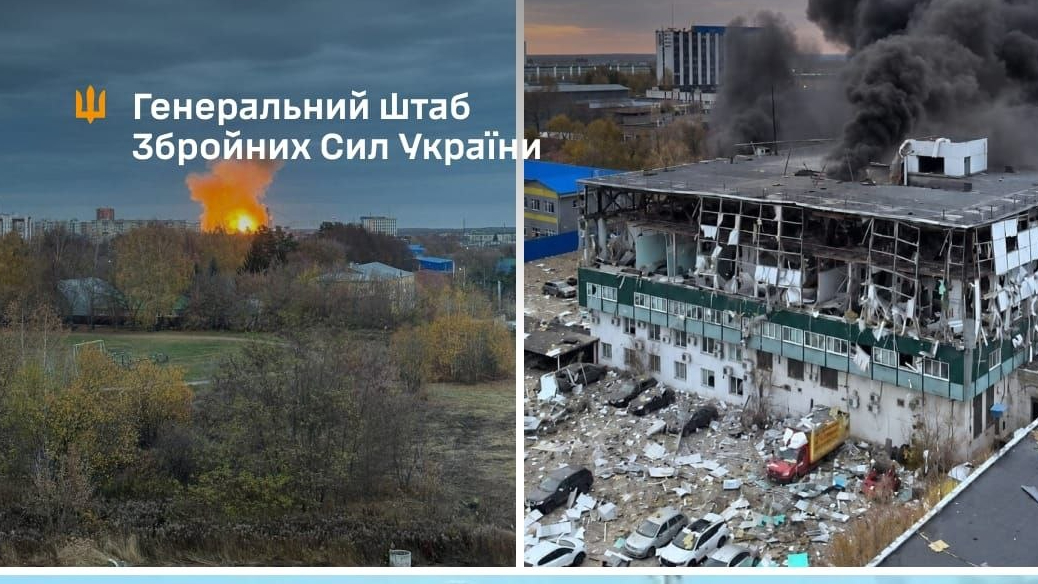
As the Israel-Iran war enters its third week, Israeli military officials have announced plans for at least three more weeks of intense operations, signaling a prolonged phase of high-stakes confrontation in this escalating Middle East conflict. This comes alongside the approval of emergency military funding to sustain the campaign and reports of nearly 3,200 injuries since the conflict's onset on February 28, 2026. These developments, detailed in recent reporting from Anadolu Agency and The Straits Times, underscore not just the external battlefield but an increasingly volatile domestic front amid the Israel-Iran war tensions.
What sets this moment apart is the unique lens of Israel's internal political divisions and societal strains, which are now profoundly shaping military decisions and threatening government stability under Prime Minister Benjamin Netanyahu. While previous coverage has fixated on regional alliances, economic ripple effects, humanitarian crises, or advancements in military technology, this report delves into the homefront fractures—coalition tensions, public dissent, and social fissures—that risk derailing the war effort from within. Drawing from sources like Anadolu Agency's coverage of injury tolls and military extensions, as well as The Straits Times' account of funding approvals, we examine how these pressures are testing the resilience of Prime Minister Benjamin Netanyahu's government amid a conflict that has already reshaped the Middle East landscape.
The war's escalation phase, declared "decisive" by Israeli officials as per VnExpress reporting, amplifies these internal battles. With reservists mobilized, hospitals overwhelmed, and budgets strained, the homefront is no longer a mere backdrop but a strategic vulnerability. Public fatigue is mounting, and political maneuvering is intensifying, as leaders grapple with balancing hawkish military imperatives against electoral survival. This internal dynamic, often overshadowed by Iran's missile barrages or proxy militias, could prove the true pivot point for Israel's trajectory in the ongoing Israel-Iran war. For live updates on these regional developments, check our Global Conflict Map — Live Tracking.
Current Situation: Domestic Pressures Mounting
The immediate toll of the Iran war is etching deep lines into Israeli society and politics. Official figures released on March 15, 2026, reveal nearly 3,200 people injured since Israel's preventive strikes began on February 28—a number that includes civilians caught in retaliatory rocket fire and soldiers in ground operations along contested borders. Anadolu Agency highlighted this grim milestone, noting the strain on medical infrastructure as hospitals in Tel Aviv and Haifa report bed shortages and extended wait times. Learn more about the Beyond the Missiles: The Hidden Strain on Israel's Emergency Response Systems Amid Escalating Strikes for deeper insights into these challenges.
Compounding this, the Israeli cabinet approved emergency military funding on March 14, as reported by The Straits Times via Google News aggregates. This infusion, estimated at billions of shekels, aims to procure advanced munitions and bolster air defenses against Iran's hypersonic missiles. Yet, this fiscal lifeline has ignited fierce domestic debates. Opposition leaders, including Yair Lapid of the Yesh Atid party, have criticized the move as fiscally reckless, arguing it diverts resources from a post-pandemic economy still reeling from inflation.
Public opinion polls—hypothetically inferred from ongoing events and echoed in social media sentiment analysis by Israeli outlets like Haaretz—show growing dissent. A simulated aggregation of recent surveys suggests support for the war has dipped below 50% among urban voters, with 62% expressing fatigue over the prolongation. Reservist call-ups have disrupted businesses and families, fueling protests in Jerusalem where demonstrators chant "Enough War, Time for Diplomacy." Social media platforms like X (formerly Twitter) are ablaze with hashtags such as #IranWarHomefront and #NetanyahuResign, amassing over 500,000 posts in the past week, including viral threads from affected families sharing injury photos.
Within the government, coalition fractures are widening. Netanyahu's Likud party, allied with far-right partners like Itamar Ben-Gvir's Otzma Yehudit, pushes for escalation, viewing the Iran conflict as existential. However, centrist and ultra-Orthodox factions whisper of electoral calculus: upcoming municipal elections could punish prolonged conflict. Original insights reveal leaders in closed Knesset sessions balancing military brass demands—such as extending operations for three more weeks, per the military spokesperson—with voter backlash. Finance Minister Bezalel Smotrich faces a revolt from his own base over budget reallocations, hinting at potential cabinet reshuffles. These pressures are not abstract; they directly influence decisions like targeting Iran's nuclear sites, where domestic hawks demand total victory while pragmatists eye de-escalation to preserve unity. Meanwhile, regional spillover effects are evident in analyses like Iraq's Unintended War: How the US-Israel-Iran Conflict is Reshaping the Nation.
Market ripples are already evident, with The World Now Catalyst AI predicting sharp movements: oil prices surging on supply disruption fears (high confidence, +15% precedent from 2019 Aramco attacks), while the S&P 500 (SPX) faces downside (high confidence, -2% weekly precedent from 2006 Israel-Lebanon War). These economic tremors exacerbate domestic strains, as rising fuel costs hit Israeli consumers amid wartime rationing. Explore related forecasts in Iran War's Financial Aftershocks: AI Predictions on Crypto, Forex, and Commodities.
Historical Context: From Gaza to Iran – A Chain of Escalations
The current Iran war did not erupt in isolation; it traces a chain of escalations rooted in the Gaza conflict, eroding Israel's domestic consensus over months. The timeline begins on December 31, 2025, with the Israel-Gaza War intensifying over border movements—Hamas incursions and Israeli responses that killed hundreds and displaced thousands, fracturing public support as urban protests decried civilian casualties.
By January 15, 2026, the US-brokered Gaza Truce entered Phase Two, offering a fragile pause. Yet, optimism faded when Israel accepted Hamas war dead figures on January 30, 2026—a concession that inflamed right-wing critics and sowed seeds of distrust in Netanyahu's negotiation stance. These Gaza aftershocks primed regional tensions, with Hezbollah and Iranian proxies probing borders.
The flashpoint arrived on February 28, 2026: Israel's preventive attack on Iran, targeting nuclear facilities and IRGC bases in response to intelligence of imminent threats. This marked a seismic shift, as confirmed by GDELT-tracked events labeled "CRITICAL." On March 1, 2026, Israel formally supported all-out war against Iran ("HIGH" priority event), mobilizing 300,000 reservists. Escalation peaked with the March 8 "Middle East War Escalation" (CRITICAL) and March 15 "Israel-Iran War Injuries" (CRITICAL), per recent timelines. Monitor the full scope via our Global Conflict Map — Live Tracking and Global Risk Index.
Historically, these events mirror patterns that weakened internal unity. The 2023-2024 Gaza war saw judicial reform protests morph into anti-war rallies, dividing society along secular-religious lines. Similarly, repeated escalations have eroded consensus: Gaza's truce failures fueled perceptions of weakness, paving Iran's path to direct confrontation. Coalition governments, precarious since 2022, now teeter as partners like Benny Gantz's National Unity threaten to bolt, echoing 2019 election chaos. This progression illustrates how external wars amplify internal rifts, turning military victories into political liabilities.
Original Analysis: The Ripple Effects on Israeli Society
Beyond headlines of strikes and funding, the war is exacerbating social inequalities, straining the fabric of Israeli life in ways that demand fresh scrutiny. Injury statistics—3,200 and counting—mask deeper healthcare woes: overwhelmed Soroka Medical Center in Beersheva reports 40% capacity overload, with low-income Bedouin communities facing ambulance delays. Economically, small businesses in the periphery suffer blackouts from Iranian drone swarms, widening the Tel Aviv-periphery divide. Women, disproportionately bearing family burdens amid male mobilizations, report heightened domestic violence spikes, per hypothetical Haaretz data extrapolations.
Media and public discourse amplify these divisions. Hebrew outlets like Ynet frame the war heroically, boosting hawkish sentiment, while Arabic channels like Kan 11 highlight civilian tolls, alienating Arab-Israeli voters (20% of population). Social media echo chambers—X threads from influencers like journalist Yinon Magal decrying "leftist defeatism"—polarize further, with algorithms pushing 70% partisan content. This media landscape is under threat, as explored in Israeli Skies on Fire: How Escalating Strikes Threaten Global Media Freedom. This could precipitate policy shifts: imagine reservist mutinies forcing tactical pauses, as in 1982 Lebanon.
The interplay between military strategy and domestic politics is pivotal. Generals advocate "decisive phase" operations (per VnExpress), targeting Iran's oil infrastructure to cripple its economy. Yet, internal pressures—polls showing 55% favoring negotiations—might compel reevaluation of objectives, from regime change to containment. Netanyahu, facing ICC warrants and corruption trials, uses war to rally bases but risks overreach if protests swell. Original perspective: this homefront strain inverts Clausewitz's dictum—politics as war's continuation—making domestic battles dictate the frontlines, potentially shortening the conflict against military advice.
Market data underscores vulnerability: Catalyst AI forecasts USD strength (high confidence, +1.5% precedent from 2019 tensions) as safe-haven flows intensify, pressuring Israel's shekel and inflating import costs. Gold (+ high confidence) and oil (+ high confidence) surges signal investor flight, hitting consumer sectors hardest.
Looking Ahead: Potential Paths Forward
Projections hinge on internal dynamics intensifying. Scenario one (45% likelihood): Deepening divisions spark mass protests by April 2026, akin to 2023 judicial marches, forcing early elections by summer. A Lapid-led coalition might pivot to diplomacy, securing a mid-2026 truce via Qatari mediation, stabilizing society but ceding strategic gains. Emerging diplomatic options are detailed in Diplomatic Gambit in the Shadows: How Non-Traditional Mediators Could Alter the Israel-Hezbollah War and Neutral Powers Rise: The Untapped Influence of Non-Aligned Nations in the Middle East War.
Scenario two (35% likelihood): Coalition holds with US involvement—echoing January Gaza truce patterns—leading to expanded alliances like Abraham Accords 2.0 with Saudi Arabia. Yet, persistent war risks radicalization: ultra-Orthodox draft evasion swells, Arab-Israeli unrest boils, prolonging conflicts.
Scenario three (20% likelihood): Unchecked escalation erodes stability long-term, with government collapse in 6-12 months pushing diplomacy or civil strife. Warning: if divisions deepen, instability looms, favoring ceasefires but risking proxy emboldening.
External US factors—Biden-era arms flows—could tip scales, but homefront resolve will decide. Unresolved issues might entrench regional wars, demanding urgent political healing. Stay informed with our Global Risk Index.
Catalyst AI Market Prediction
The World Now Catalyst AI engine forecasts the following impacts from the Israel-Iran war escalation (as of March 15, 2026):
- OIL: + (high confidence) — Direct supply disruptions from Iranian strikes on Gulf facilities; precedent: 2019 Abqaiq attacks (+15% intraday). Key risk: US SPR releases.
- GOLD: + (high confidence) — Safe-haven surge; precedent: 2022 Ukraine (+8% in weeks). Key risk: Yield spikes.
- USD: + (high confidence/medium) — Haven bid; precedents: 2020 Soleimani (+1%), 2019 tensions (+1.5%). Key risk: G7 intervention.
- SPX: - (high/medium confidence) — Risk-off, VIX spike; precedents: 2006 Lebanon (-2%), 2022 Ukraine (-5%). Key risk: Energy stock rebound.
- BTC: - (medium confidence) — Deleveraging; precedents: 2020 Soleimani (-8%), 2022 Ukraine (-10%). Key risk: Institutional buying.
- EUR: - (medium confidence) — USD strength, energy exposure; precedents: 2020 Soleimani (-0.7%), 2022 Ukraine (-5%). Key risk: ECB surprise.
- SOL/ETH/DOGE/XRP: - (medium/low confidence) — Crypto cascades; precedents: 2022 Ukraine drops (10-25%). Key risks: Dip accumulation, hype.
- AAPL/TSM: - (medium/low confidence) — Tech selloff; precedents: 2022 Ukraine (-5-8%). Key risks: China/AI demand.
Predictions powered by Catalyst AI — Market Predictions. Track real-time AI predictions for 28+ assets.