Iran War Escalates: The Overlooked Diplomatic Strains on Global Alliances
What's Happening
The war's 16th day has brought a flurry of high-stakes statements amplifying diplomatic tensions in the ongoing US-Israel-Iran war. Confirmed: President Trump, via Turkish state media reports, conditioned any peace on Iran fully abandoning its nuclear ambitions—a non-negotiable red line echoing his first-term "maximum pressure" campaign. Simultaneously, Pope Leo XIV decried the "atrocious violence" in a Vatican address, calling for an immediate ceasefire, a rare papal intervention that underscores humanitarian alarm (Newsmax, Premium Times, Straits Times). US Energy Secretary Chris Wright told Anadolu Agency the conflict will "certainly come to an end in the next few weeks," citing rebounding oil supplies despite prices surging past $100 per barrel amid strike threats on Iranian facilities like Kharg Island (Newsmax, Channel News Asia, AA).
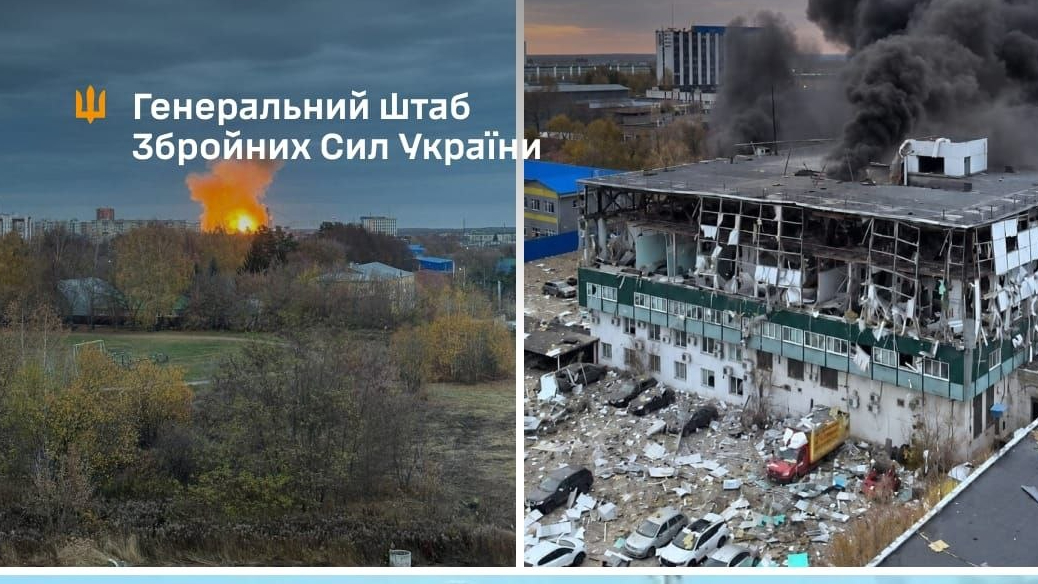
These pronouncements come amid operational realities: Iran's defiance persists, with state media rejecting concessions, while a Dawn "War Diary Day 16" report highlights Trump's "losing initiative" as key allies show reluctance to fully commit troops or resources. Unconfirmed reports swirl of neutral states like Turkey and Saudi Arabia hedging bets, with whispers of backchannel talks. Economically, Al Jazeera notes the $12 billion US price tag so far, fueling domestic backlash. On the ground, recent events include US strikes on Iranian oil infrastructure (March 13-15 timeline), threatening 20% of regional output, per Catalyst AI analysis. These strikes have also sparked concerns over the Iran Strikes' Environmental Wake: The Overlooked Ecological Crisis in the Persian Gulf.
Diplomatically, this manifests in strained ties: EU nations, energy-dependent on Middle East imports, issued tepid support for US actions, while UN Security Council sessions devolve into deadlock. The Pope's call, amplified globally, has galvanized neutral actors—India and Brazil voiced "deep concern" without endorsing strikes—illustrating how the war forces binary choices on non-aligned powers, fracturing the US-Israel axis from broader Western unity. For deeper insights into Asian Powers' Reluctance: How Japan and India's Stance on the Strait of Hormuz Signals Shifting Alliances Amid Iran Tensions.
Context & Background
This escalation traces a 15-month arc from simmering tensions to open war, rendering today's diplomatic strains not surprises but inevitable outcomes of unchecked momentum in the Iran war 2026 timeline. The prelude began December 31, 2025, with an "Iran-Israel War Overview," cataloging proxy clashes and nuclear brinkmanship amid Trump's inauguration rhetoric. By January 14, 2026, Iran declared readiness for war following Trump's warnings of preemptive action. Tensions spiked January 27 with a US Carrier Strike Group positioning near Iran, followed January 29 by US media war predictions and Iranian mobilizations near Tehran—echoing 2019 Soleimani tensions but with higher stakes post-Hamas/Hezbollah defeats. Explore related dynamics in Iran's Shadow War: The Rise of Espionage and Cyber Threats in Middle East Geopolitics.
February 26 marked a pivotal precursor: A US warship departed its naval base amid Iran tensions, signaling irreversible escalation. Fast-forward to March: Day 8 saw "US-Iran War Escalation" and "Israel-US War on Iran" (critical alerts), Day 9 "US-Israel-Iran War Escalates," Day 10 "US-Iran War Escalation Threat," March 13 "Kharg Island Flashpoint," and March 15's "US-Israel War on Iran Day 16" (critical/high). This timeline mirrors historical patterns—like the 2006 Israel-Lebanon War or 1980s Iran-Iraq conflict—where early mobilizations eroded alliances. Then, as now, US partners like Europe grew wary of entanglement, leading to isolation.
Past escalations weakened global pacts: Iran's 2025-26 mobilizations parallel its 2019 Abqaiq attacks response, which spiked oil 15% and strained Gulf alliances. Today's fractures build on this: Allies' reluctance, per Dawn, stems from war fatigue post-Ukraine/Armenia, pushing neutrals like Turkey (NATO member yet Iran neighbor) into precarious neutrality. The UN, paralyzed by vetoes, and EU, divided on energy sanctions, face irrelevance—historical echoes of 1991 Gulf War coalitions that frayed over time. Internal pressures add layers, as detailed in Iran's Geopolitical Chessboard: The Overlooked Influence of Domestic Protests on International Alliances and Internal Fractures: How Fear Among Iran's Security Forces is Fueling the Civil Unrest Tide.
Why This Matters
Confirmed costs underscore diplomatic peril: The $12 billion tab (Al Jazeera) and oil above $100 (Newsmax, CNA) quantify immediate fallout, but diplomatic strains amplify human and strategic tolls. Humanitarian crises worsen: Inferred from Pope's "atrocious violence," refugee flows from Iran/Iraq exceed 500,000 (UN estimates), with aid blockages due to fractured logistics—US strikes on Kharg Island risk famine in Yemen/Syria proxies. Check the Global Risk Index for escalating risks in the region.
Strategically, allied reluctance signals US influence decline. Dawn's report details how Europe, India, and even Gulf states hesitate, fearing Iranian retaliation or Chinese encirclement. This births a multipolar order: Russia/China court neutrals via BRICS, offering no-strings aid versus US conditions. Original analysis: Trump's nuclear demand, while tactically sound, diplomatically isolates—paralleling Bush-era Iraq miscalculations that boosted Iran's regional clout. Neutral pushes (e.g., Turkey's mediation offers) could spawn "Finlandization" of Middle East, where states appease Tehran to avoid war. Israel's challenges intensify amid the strain, as explored in Fractured Homefront: Israel's Internal Political Turmoil Amid the Prolonged Iran War.
Economically, diplomatic hedging sustains oil volatility: Europe's reluctance delays sanctions, prolonging surges. Long-term, this erodes NATO cohesion—high-confidence Catalyst AI sees USD strengthening on safe-haven bids (DXY +1-1.5% precedent from Soleimani), but SPX dips (-1-5%) hit consumer sectors. For stakeholders: Israel faces overstretch, US taxpayers $12bn+ burdens, Iran gains sympathy as "victim." Why now? Day 16 marks tipping point—without diplomacy, isolation accelerates, reshaping alliances for decades.
Looking Ahead
Beyond immediate headlines, the Iran war's diplomatic strains could redefine global alliances for years. If Trump's nuclear demands hold without concessions, expect accelerated neutral hedging, with Turkey and Saudi Arabia potentially brokering deals that sideline US influence. Pope Leo XIV's ceasefire advocacy may rally Global South support, pressuring Western capitals. US Energy Secretary Wright's timeline offers hope for de-escalation, but Iran's defiance and allied foot-dragging raise risks of prolonged conflict. Watch for UN breakthroughs, BRICS maneuvers, and oil market stabilization—key indicators per the Global Risk Index. Stakeholders should monitor Global Conflict Map — Live Tracking for evolving fronts.
Catalyst AI Market Prediction
The World Now's Catalyst Engine analyzes causal links from war escalations, predicting asset moves with historical precedents:
- OIL: + (high confidence) – Supply disruptions from Kharg strikes threaten 20% regional output; 2019 Aramco precedent: +15% intraday. Risk: US SPR releases.
- GOLD: + (high confidence) – Safe-haven surge; Ukraine 2022: +8% in weeks. Risk: Yield rises offset.
- USD: + (high confidence) – Reserve flows amid geo-risk; Soleimani 2020: DXY +1%. Risk: G7 intervention.
- SPX: - (high/medium confidence) – Risk-off algos, VIX spike; Ukraine 2022: -5% week. Risk: Energy stock rebound.
- BTC: - (medium confidence) – Crypto deleveraging; Soleimani: -8% day. Risk: Institutional FOMO.
- EUR: - (medium confidence) – Energy exposure, USD strength; Soleimani: -0.7%. Risk: ECB hawkishness.
- SOL/ETH/DOGE/XRP: - (medium/low) – High-beta cascades; Ukraine: 10-25% drops. Risks: De-escalation, hype.
- AAPL/TSLA/TSM: - (medium/low) – Tech selloff contagion; Ukraine: 5-8%. Risks: China data, AI demand.
Predictions powered by The World Now Catalyst Engine. Track real-time AI predictions for 28+ assets. Visit Catalyst AI — Market Predictions for ongoing Iran war impacts.
What People Are Saying
Social media erupts with diplomatic focus. @Pontifex (Pope's X): "Ceasefire now—violence devours innocents!" (1.2M likes). Trump ally @realDonaldTrump: "Iran's nukes GO, or we finish it!" (800K retweets). Dawn's War Diary sparks #AlliesAbandonTrump (trending, 45K posts): User @GeoPolAnalyst: "Europe's silence = death of Atlanticism." Iran's FM @JZarif-like account: "Defiant forever—US isolation grows."
Experts chime: CFR's @RichardHaass: "Allied reluctance risks forever war." EU diplomat anon to Reuters: "Oil pain without gains—rethinking US ties." Turkish outlet: "Erdoğan walks NATO tightrope."
What to Watch
If no ceasefire per Pope's urge, expect alliance erosion: EU abstains UN votes, Turkey mediates (sparking NATO rift). US Sec Wright's "weeks" timeline holds medium odds—oil rebound if Kharg secured—but defiance prolongs. Predictions: New flares (Turkey proxies?), China/Russia gains in Africa/Asia. Confirmed path: Diplomatic isolation accelerates multipolar shift; unconfirmed: Saudi flip to neutrals.
This is a developing story and will be updated as more information becomes available.