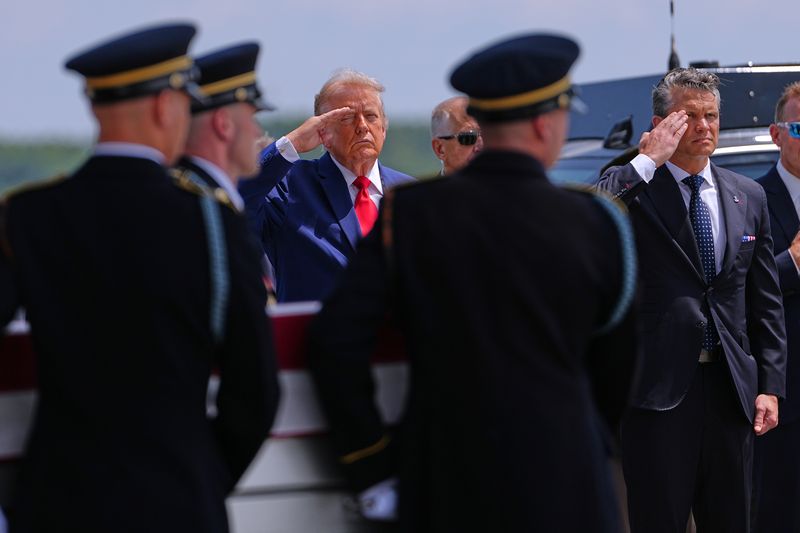

757 US Troops Wounded in Iran War as Casualties Climb
The US military casualties in the Iran war have risen to 757 wounded and 18 dead as of 19 August, according to updated Pentagon data, even as direct combat has largely paused and both sides pursue sanctions, naval pressure in the Strait of Hormuz, and stalled negotiations. [1]
US Casualty Update
The Pentagon's Defense Casualty Analysis System recorded 757 US wounded and 18 killed in the Iran war from its start on 28 February through 19 August, with the wounded total increasing by 115 in roughly one month. [1] The Pentagon added an "Overseas Operations" category in July to track casualties from 7 July onward without specifying their exact link to the Iran conflict, and the latest totals combine both categories. [1] As of the prior update on 25 July, the DCAS figures stood at 18 dead and 642 wounded before the additional 115 wounded were recorded. [1] The combined totals now incorporate the separate Overseas Operations category introduced last month. [2]
Timeline of Combat and Pause
The United States and Iran exchanged long-range strikes over control of the Strait of Hormuz from late June through 23 July. [1] The two sides paused direct fighting between 24 and 27 July before resuming missile and drone exchanges, during which Iran struck US-aligned bases in Bahrain and other Middle East locations. [1] Direct military clashes halted after President Trump canceled further airstrikes on 31 July. [1] Some commercial ships in the Strait of Hormuz suffered damage from long-range weapons, though no US forces were directly attacked in those incidents. [1] On 19 August, Trump posted on Truth Social that the United States would launch an "unprecedented economic war" against Iran through expanded sanctions. [1]
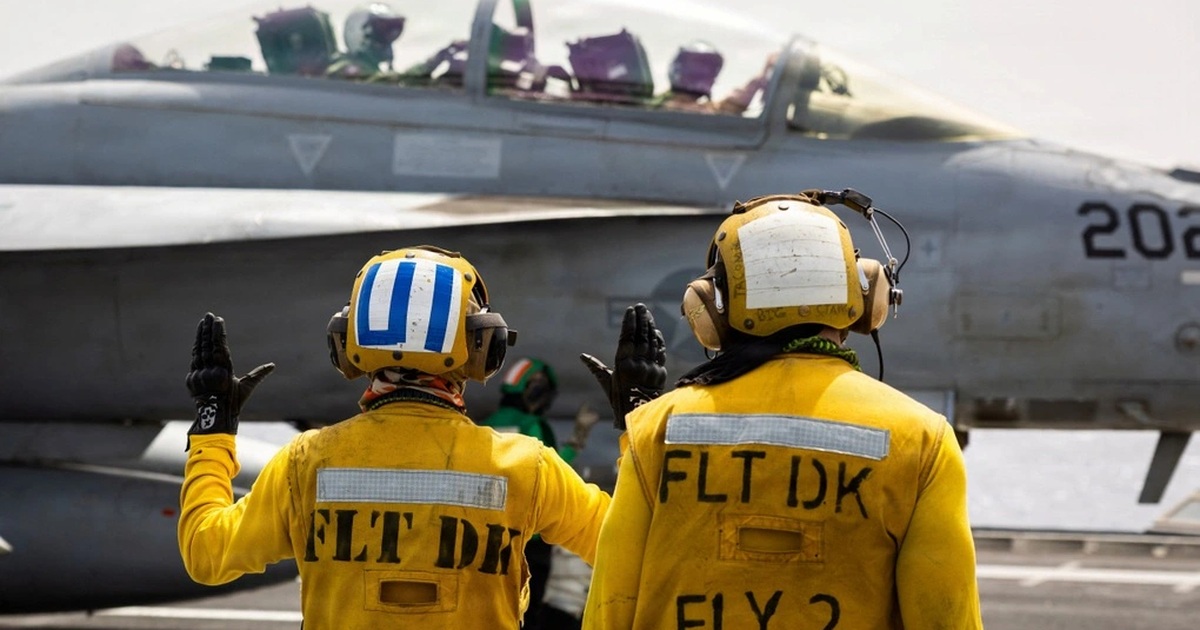
US military casualties from the Iran conflict total 757 wounded and 18 dead as of August 19. — Source: gdelt
European Involvement and Responses
European countries have provided varying levels of support to the US effort, including allowing US aircraft to use bases in the UK, Germany, Italy, and France, while Spain refused access to its bases and closed its airspace to US military planes. [3] The UK authorized US use of bases at Diego Garcia and RAF Fairford for strikes on Iranian missile sites after initially declining, and later permitted additional operations under the new prime minister. [3] France allowed US support aircraft to land at Istres and Avord bases while insisting involvement remained strictly defensive, and it deployed fighter jets over the UAE after its Abu Dhabi base was struck. [3] Germany hosts more than 36,000 US troops, including at Ramstein airbase, though specific uses during the conflict remain confidential. [3] Italy hosts over 12,000 US personnel across multiple bases and has stated its aircraft were not used in combat. [3] Spain rejected any use of its Rota naval base and Moron airbase and closed its airspace on 30 March. [3] Iran has described UK bases used by the US as legitimate targets and attacked facilities hosting British troops in Iraq, Qatar, and the UAE. [3]
Post-Memorandum Outlook

US President Donald Trump meets with French President Emmanuel Macron. — Source: middleeasteye
The Islamabad Memorandum of Understanding expired on 17 August without producing a diplomatic breakthrough, leading analysts to expect continued sanctions, limited military exchanges, and pressure around the Strait of Hormuz. [4] The agreement, signed 17 June, had aimed to provide 60 days for talks but yielded no resolution. [4] A Middle East Eye opinion piece argues the confrontation now enters a phase shaped by sanctions, Hormuz pressure, threats, negotiations, and limited military activity. [4] Senior advisor Wolfgang Pusztai stated that economic instruments such as sanctions and the naval blockade form the sharpest element of the US approach, with strikes likely only if Iran attacks commercial ships or Gulf Cooperation Council members. [4] Chatham House associate fellow Dr Neil Quilliam noted a pattern of limited exchanges and coercive diplomacy that is expected to continue. [4] Former US ambassador Gordon Gray observed that the cycle of threats and optimistic claims repeats when agreements fail to materialize. [4]
Iranian Strategy and Risks
Iran has attacked US and allied bases in the Middle East and considered strikes on US assets in Europe and undersea cables in the Strait of Hormuz, while the US has imposed new economic sanctions. [2] A Middle East Eye opinion piece argues that Iranian leadership views time as being on its side, expecting economic pressure and US domestic opposition ahead of midterms to force concessions. [4] Dr Quilliam described Iran's approach as misguided, warning that prolonging the dispute increases strain on its economy and the risk of further military action. [4] Former ambassador Gray noted that Tehran may overestimate the weight of the US electoral calendar, as Trump is not seeking re-election. [4] Dr Nader Hashemi stated that by waiting out the administration without pursuing negotiations, Iran risks forgoing sanctions relief for the next two and a half years. [4]
Ongoing Pressures Around the Strait of Hormuz
Preserving freedom of navigation through the Strait of Hormuz remains a top US priority, while Iran's control of the waterway forms a central element of its strategy to pressure Washington. [4] The expiration of the Islamabad Memorandum of Understanding leaves both sides without an agreed framework, raising the possibility that a serious incident involving shipping or US assets could trigger renewed military action. [4] Pusztai explained that the United States will almost certainly resume strikes if Iran renews attacks on shipping or Gulf states, though a continued low-level conflict outside media focus suits current US political needs better than a larger confrontation. [4] Quilliam emphasized that both Washington and Tehran have incentives to avoid a prolonged conflict, yet the absence of a framework creates real escalation risks from misjudgment. [4]
What to watch next: Analysts expect the pattern of sanctions, naval pressure in the Strait of Hormuz, and limited exchanges to persist, with any serious incident capable of rapidly triggering renewed cycles of military action. [4]







