Ukraine War Sees 103 Prisoners Swapped as Russian TV Host Calls Situation Extremely Difficult
The Ukraine war continues to produce both limited humanitarian gestures and stark admissions from Russian state media about battlefield realities. Russia and Ukraine each released 103 prisoners of war in a swap mediated by the United Arab Emirates.
Prisoner Exchange Between Russia and Ukraine
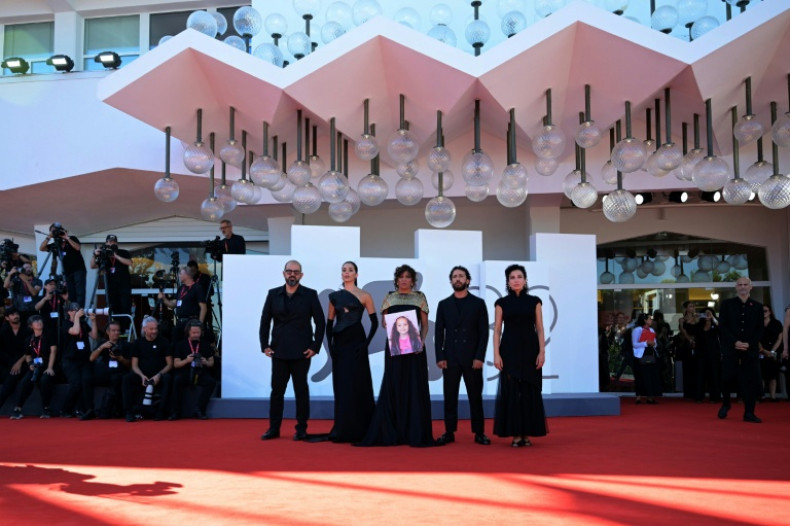
Russia and Ukraine each handed over 103 captured soldiers on Wednesday. President Volodymyr Zelensky stated that 103 Ukrainian warriors are returning home from Russian captivity, including defenders of Mariupol and troops captured across seven frontline regions. The Russian defence ministry announced that 103 Russian servicemen were returned in exchange for 103 Ukrainian prisoners of war. The freed Russian soldiers are in Belarus and will be flown to Russia for rehabilitation after receiving psychological and medical care. The United Arab Emirates mediated the exchange. Prisoner exchanges and repatriations of soldiers' remains have been among the few areas of cooperation between Russia and Ukraine since Moscow launched its offensive in February 2022. Ukrainian intelligence indicated another swap was expected before the end of the month. [4] [5]
Soloviov's Pessimistic Assessment of the War
Vladimir Soloviov, who moderates one of the main political programs on Russian state television Rossija 1, described the situation in the Ukraine war as extremely difficult. He stated that victory is the only option for Russia rather than freezing the current front line. Soloviov argued that the West would not allow Russia to conclude the conflict with a draw along the present line of contact. The remarks came during a broadcast alongside war correspondent Jevgenij Poddubnyj in which they discussed problems with Russian air defense and Ukraine's ability to strike deep into Russian territory. [1]
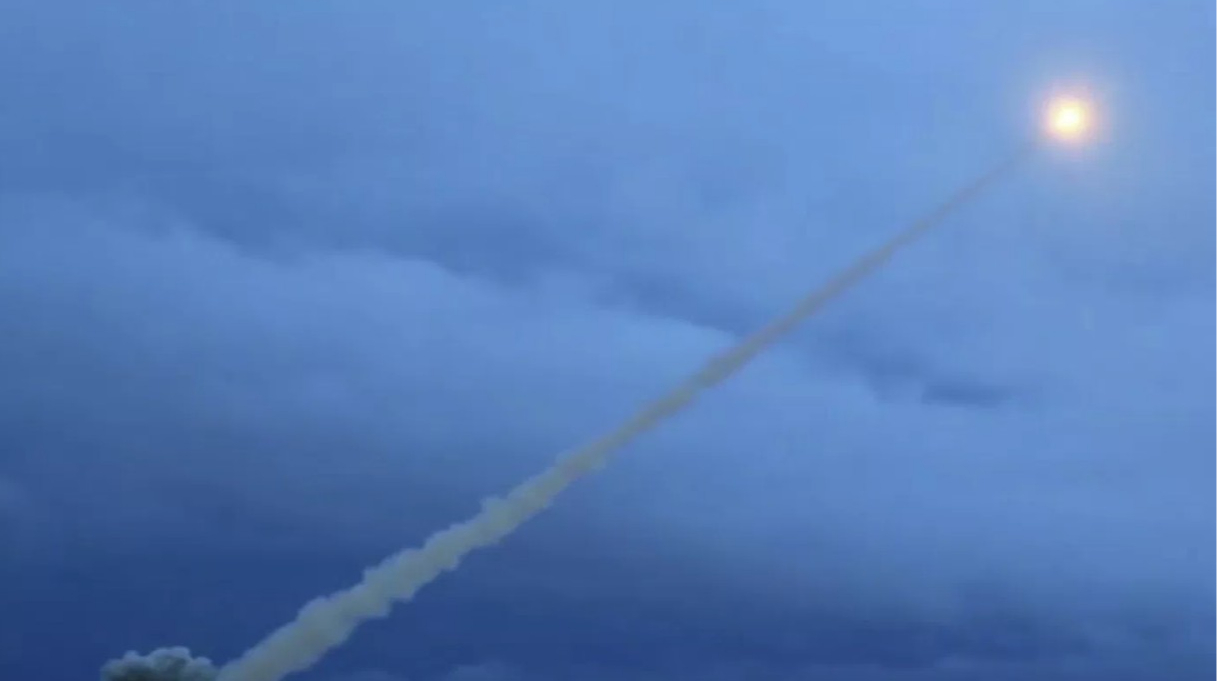
Ukrainian intelligence reports Russia retains 50 Kinzhal missiles despite suspended production. — Source: ukrainskapravda
Calls for Harsher Tactics and Asymmetric Response
Soloviov called for the use of the harshest methods against those he labeled Nazis and referenced the assassination and sabotage methods of Soviet intelligence officer Pavel Sudoplatov. Sudoplatov organized espionage, sabotage, and political assassinations abroad, including the 1938 killing of Ukrainian nationalist leader Jevhen Konovalec in Rotterdam and involvement in the 1940 assassination of Leon Trotsky in Mexico. Soloviov also spoke of an asymmetric response against European arms factories supplying Ukraine, noting that British weapons enable strikes deep into Russian territory while Russia does not attack factories in Britain. Analyst Julia Davis characterized the segment as gloomy forecasts, complaints about Russian air defense, and veiled threats against European military factories. [1]
Russia's Missile Production and Stockpiles
Ukraine's Defence Intelligence reported that as of July 2026 Russia had around 50 Kinzhal missiles left after suspending their mass production in April 2026. Resources were redirected to increase output of Iskander-M, Kh-101, and Kalibr missiles. Russia can produce more than 200 cruise and ballistic missiles per month, with the main priority on Iskander-M, Kh-101, and Kalibr missiles. The largest stockpiles include around 600 Oniks, 450 Kalibr, 400 RM-48U for S-400 systems adapted for ground targets, 130 Iskander-M, 120 Zircon, 100 Kh-101, and 50 North Korean ballistic missiles. Russia also held around 50 North Korean KN-23-series ballistic missiles plus KN-24 and KN-30 variants. The monthly production target of 60 9M723 missiles for Iskander-M systems was exceeded in July with 65 produced, and 87 Kh-101 cruise missiles were manufactured that month. Russia manufactures around 50 RM-48U missiles for S-400 systems each month and plans to produce more than 480 such missiles over the course of 2026. [2] [3]
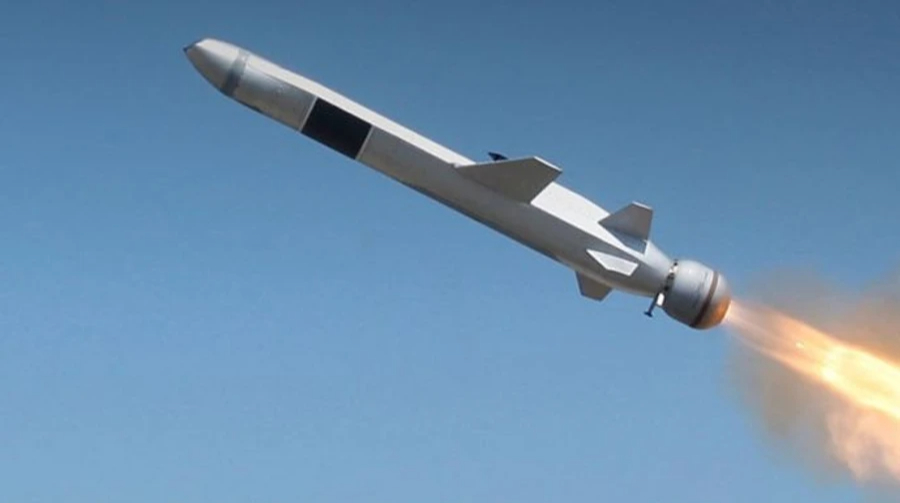
Ukrainian intelligence data details Russia's missile stockpiles and production rates. — Source: ukrainskapravda
Context on Russian Strategy and Kremlin Position
Soloviov's statements align with Moscow's continued pursuit of military victory to exhaust Ukraine and the West. Analysts at the Institute for the Study of War noted earlier in August that Putin’s strategy rests on the belief that Russia can wear down Ukraine through sustained military pressure and outlast its defensive capacity along with Western willingness to provide support. Russian deputy foreign minister Michail Galuzin on 9 August again rejected simply freezing the conflict and insisted on removing its alleged root causes, the formulation Moscow uses for its broader demands toward Ukraine. [1]
Broader Developments in the Ukraine War
The prisoner exchange occurred on 19 August 2026 and freed 103 Ukrainian defenders from Mariupol and seven frontline regions along with 103 Russian servicemen sent to Belarus for rehabilitation. Ukrainian President Zelensky emphasized that every person still in captivity is remembered and that all possible efforts are being made to bring them home. The swap represents one of the continuing areas of limited practical cooperation even as talks on ending the conflict remain frozen and the civilian death toll in 2026 has risen to the highest levels since the war's first months according to the United Nations. [4] [5]
What to watch next: Further prisoner swaps are anticipated before the end of the month while Russia maintains production rates exceeding targets for several missile systems and continues to direct resources away from suspended Kinzhal output.