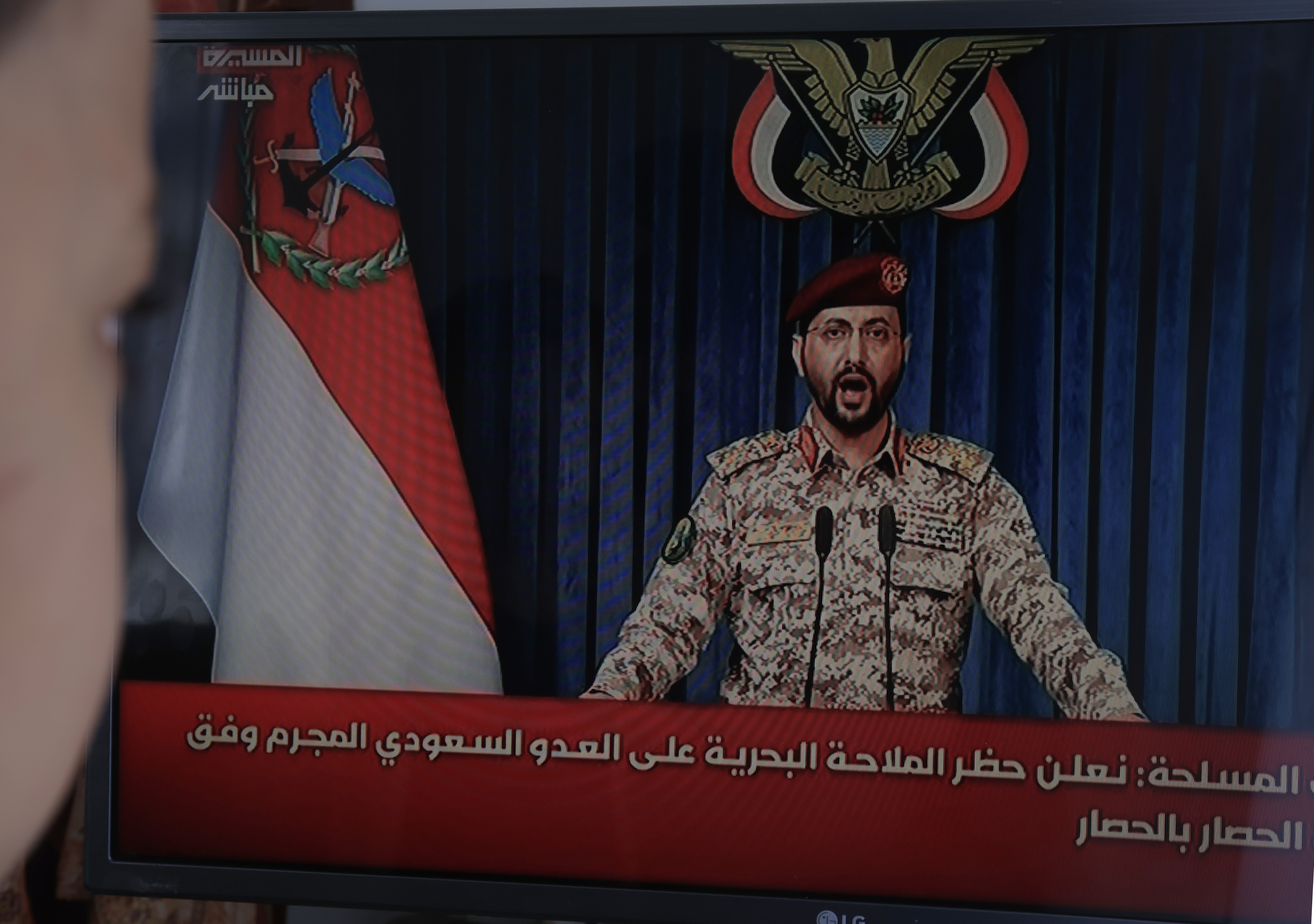

Yemen Tensions Escalate as Houthis Declare Naval Blockade on Saudi Arabia
Yemen tensions have intensified after Yemen's Iran-aligned Houthis announced a naval blockade on Saudi Arabia on Monday, citing an alleged Saudi siege on Yemen, prompting Saudi condemnation and raising risks to global energy supplies and trade. [1]
Houthi Blockade Announcement
The Houthis declared a maritime embargo against the criminal Saudi enemy, based on the equation of an eye for an eye, effective immediately, in response to what they called an unjust and oppressive siege imposed on Yemen by the Saudis. [1] [2] This announcement came despite signs that Tehran and Washington want to resume diplomacy to halt a worsening cycle of attacks. [2] The Houthis made their announcement in a statement from their armed forces, framing the move as direct retaliation for the alleged Saudi actions. [1] Iran’s Foreign Ministry indicated that mediators had presented proposals to Tehran, signalling that diplomatic contacts remain active. [2]
Saudi Response and Condemnation
Saudi Arabia on Monday condemned what it described as allegations by Yemen's Iran-aligned Houthis that the kingdom was besieging the Yemeni people. [1] The Saudi foreign ministry rejected claims that the kingdom was besieging Yemen and imposing a maritime blockade. [1] Saudi Arabia stated it would take all necessary measures to protect its ships, according to the ministry statement. [1] There was no immediate further response from Saudi Arabia beyond this condemnation. [2]
Context of Yemen's Civil War
Yemen has been mired in civil war for more than a decade since the Houthis seized the capital, Sanaa, prompting a Saudi-led military intervention in 2015 in support of the internationally recognised government. [1] The conflict has since evolved into one of the world's worst humanitarian crises, leaving the country divided between a Saudi-backed government in Aden and a Houthi administration in Sanaa. [1] Yemen tensions have persisted through this territorial split, with the Houthis controlling areas including the port of Hodeidah. [1]
Impact on Global Energy and Shipping
Oil prices rose briefly after the Houthi statement but later fell back as traders held out hope of a diplomatic breakthrough. [2] The insurance cost of shipping goods through the Red Sea rose on the increased risks for merchant shipping. [2] The announcement opens a potential new front against the United States in its war with Iran and raises the threat to global energy supplies and trade beyond the Gulf. [1] Iran had been pressing the Houthis to close the Bab el-Mandeb gateway to the Red Sea if the U.S. continued to attack Iranian power infrastructure. [2]
Ongoing Diplomatic Efforts
The Houthis made their announcement despite signs that Tehran and Washington want to resume diplomacy. [2] A senior Iranian official told Reuters on Monday that Tehran had received a proposal from mediators for a 10-day ceasefire in efforts to salvage an interim deal intended to pave the way to a lasting agreement. [2] Two Pakistani government sources said separately that Iranian Interior Minister Eskandar Momeni had asked Pakistan to resume its mediation role in the conflict, and he later arrived in Islamabad for further talks. [2] The diplomatic push followed another night of U.S. strikes on Iranian cities and attacks by Iran’s Revolutionary Guards on U.S. military assets across the region. [2]
Evidence of Continued Port Activity
Cargo ships and other vessels have regularly arrived at the port of Houthi-controlled Hodeidah, including in recent weeks, delivering food, fuel and other goods, according to shipping data. [1] This activity has continued even amid the Yemen tensions and the Houthi announcement of the maritime embargo. [1]
What to watch next: Mediators are expected to advance proposals for a 10-day ceasefire, with Iranian Interior Minister Eskandar Momeni continuing talks in Islamabad to explore paths toward restoring an interim agreement.