
Yemen Conflict Sees Renewed Clashes After 2022 Truce
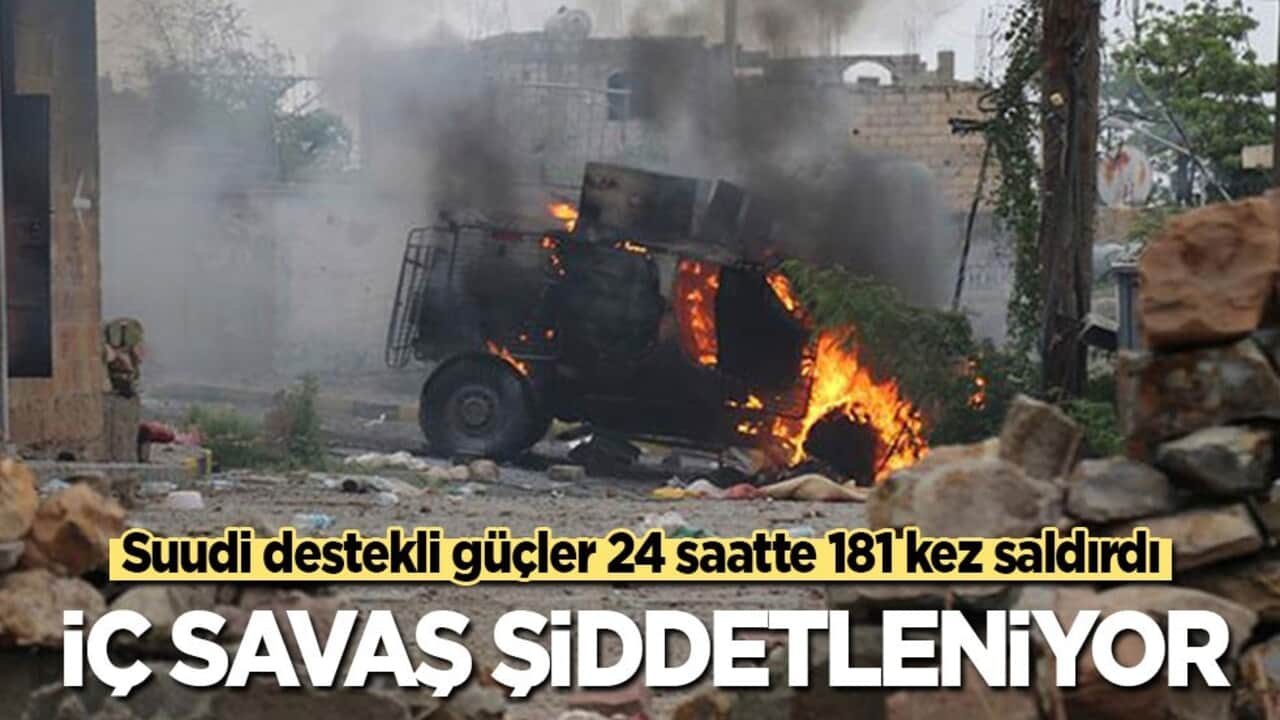
The Yemen conflict has entered a phase of intensified fighting as Saudi-backed Yemeni government forces conducted 181 military operations against Houthi positions in the past 24 hours.
Recent Military Operations
Yemeni army spokesman Colonel Majid Abdullah al-Nazili stated that the operations targeted Houthi military positions, fire sources, and capabilities using drones, artillery, and rocket launchers in Taiz, Marib, Abyan, Dali, and Hodeidah provinces. [1] The army claimed dozens of Houthis were killed or wounded, along with the destruction of dozens of military vehicles, equipment, weapon depots, and ammunition stores. [4] Nezili noted that the operations were carried out across different points along the conflict lines and that the army possesses the capacity to reach and neutralize threat sources. [1] The spokesman added that the operations will continue according to the times, places, and methods determined by the military command. [1]
Houthi Casualties and Response
The Houthis announced that four members, including a senior commander, were killed in the operations but provided no further details. [3] The group issued the statement without specifying the conditions surrounding the deaths of its members. [3] This announcement came amid the reported 181 operations conducted by government forces over the 24-hour period. [1]
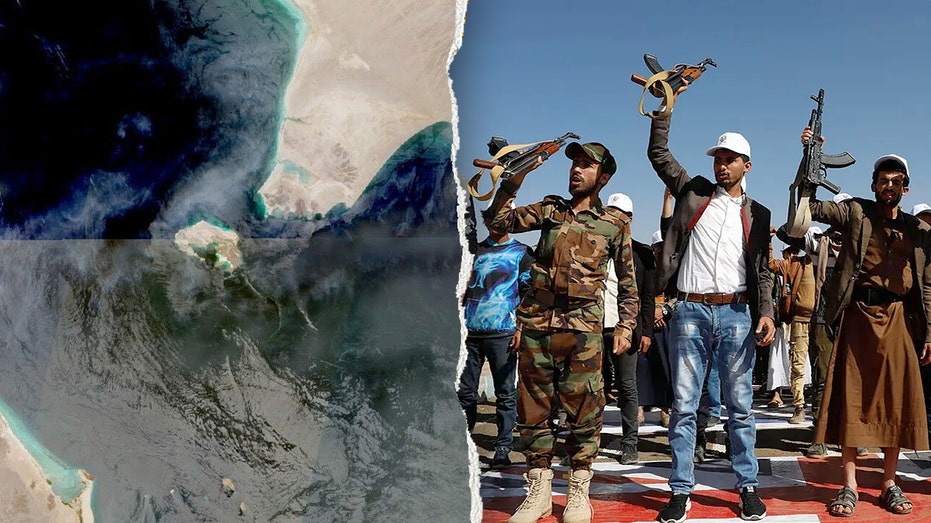
Map shows Bab el-Mandeb Strait amid Houthi attacks and renewed Yemen clashes. — Source: foxnews
Civilian Protection Measures
The army emphasized adherence to rules of engagement and international humanitarian law, with measures taken to protect civilians, and urged civilians to avoid Houthi military sites. [1] Nezili stated that the units involved in the operations comply with the provisions of international humanitarian law and that necessary precautions have been taken for the protection of civilians. [1] The spokesman called on civilians to stay away from Houthi military positions and gathering areas, refrain from joining the group’s ranks, and avoid approaching military sites. [1]
Background on Yemen Conflict
Yemen's civil war, ongoing for about 12 years since the Houthis seized Sanaa in 2014, saw a relative calm since a 2022 truce, but clashes have intensified recently in areas including Marib, Jawf, Dali, and Taiz. [1] The conflict has killed tens of thousands of people, uprooted millions, and driven the country to the brink of famine before the 2022 truce restored relative calm. [5] The Houthis have controlled the capital Sanaa and much of northern Yemen since September 21, 2014, while the internationally recognized, Saudi-backed government and allied groups control areas elsewhere. [2] Though the formal truce expired in October 2022, large-scale hostilities remained comparatively limited for years until recent weeks. [2]

Yemeni government forces target Houthi positions in renewed clashes across multiple provinces. — Source: japantimes
Threats to Bab el-Mandeb Strait
Separately, Houthi attacks on shipping in the Bab el-Mandeb Strait have escalated, killing crew members on a cargo ship and raising fears of the waterway becoming a second Strait of Hormuz amid broader regional tensions. [2] The Houthis attacked the Egyptian-owned cargo ship Tihamah in the strait on Tuesday, with four crew members—three Pakistanis and one Indonesian—killed according to Yemeni and Pakistani officials. [2] Two Yemeni rescuers were also killed when the Houthis struck again after rescue crews arrived, according to Yemen’s Coast Guard. [2] The Bab el-Mandeb Strait connects the Gulf of Aden and Arabian Sea to the Red Sea and farther north the Suez Canal, serving as a crucial route for energy and commercial shipping. [2]
Broader Implications
U.N. Special Envoy Hans Grundberg told the Security Council that the country faces its most serious threat of a return to large-scale war since the U.N.-brokered 2022 truce. [2] Yemeni Nobel Peace Prize laureate Tawakkol Karman warned at the United Nations that the continued collapse of the state in Yemen threatens international navigation and trade, energy security, and global supply chains. [2] Amr Al Bidh, the Southern Transitional Council’s foreign affairs chief, stated that naval presence protects individual ships but does not take away Houthi launch sites or hold terrain, adding that forces must be on the ground to ultimately secure the strait. [2] Karman argued that restoring a functioning Yemeni state is essential to defeating armed groups and securing the country. [2]
What to watch next: Renewed Houthi attacks on commercial vessels risk drawing Yemen deeper into the wider regional confrontation, according to the U.N. envoy, while the economic stakes rise as Saudi Arabia increasingly relies on its Red Sea export infrastructure amid disruptions through the Strait of Hormuz.