
Yemen, Among the Most Dangerous Countries, Faces Renewed Fighting as Houthis Tighten Siege on Taiz
Yemen, among the most dangerous countries, is seeing the Saudi-led coalition prepare to issue an evacuation warning ahead of a military operation in Houthi-held Sanaa while Houthi forces have tightened their siege on the government-held city of Taiz, deepening a humanitarian crisis amid renewed fighting across the country.
Current Military Situation in Taiz
Yemeni government forces backed by Saudi airstrikes have stalled further significant Houthi advances around Taiz. [3] The Houthis have closed all four exits from the city and established fire control over them. [3] Fighting around the city's suburbs and hills has continued in recent days, with Houthi attempts to advance along the western and southern approaches, including around al-Misrakh. [3] Government-aligned fighters reportedly fended off a Houthi infiltration attempt there. [3] The Houthis also attacked government positions defending the city's southern and western approaches, seizing new positions despite Saudi airstrikes. [3] Government-aligned forces lost 22 fighters in 24 hours of fighting, while the Houthis lost at least 40, according to military sources from both sides. [3] The encirclement of Taiz was effectively completed after the group took the town of al-Turbah on 4 October, severing the supply road to Aden. [3] The Houthis' strategy in Taiz focuses on surrounding hills and peaks as well as supply routes rather than direct urban capture, which proved costly in earlier attempts. [3]
Humanitarian Impact on Taiz Residents
The encirclement has cut off supplies of food, medicine, fuel and energy. [3] Wheat and flour stocks are sufficient for only 19 days of consumption. [3] Petrol stations have run out of fuel, and prices for basic commodities have doubled while fuel prices have tripled. [3] Only two of eight UNFPA-supported health facilities inside the city remain operational. [3] High transportation costs prevent women, girls, and vulnerable populations, particularly pregnant women, from accessing essential services. [3] Yemen's Human Rights Ministry warned that the tightening siege threatens to disrupt life-saving medical services, including emergency surgery, intensive care, dialysis and neonatal care. [3] The deteriorating security situation has forced UNFPA to suspend some of its activities. [3] There is widespread fear and anxiety among residents, with a further wave of displacement potentially affecting up to 100,000 households. [3]

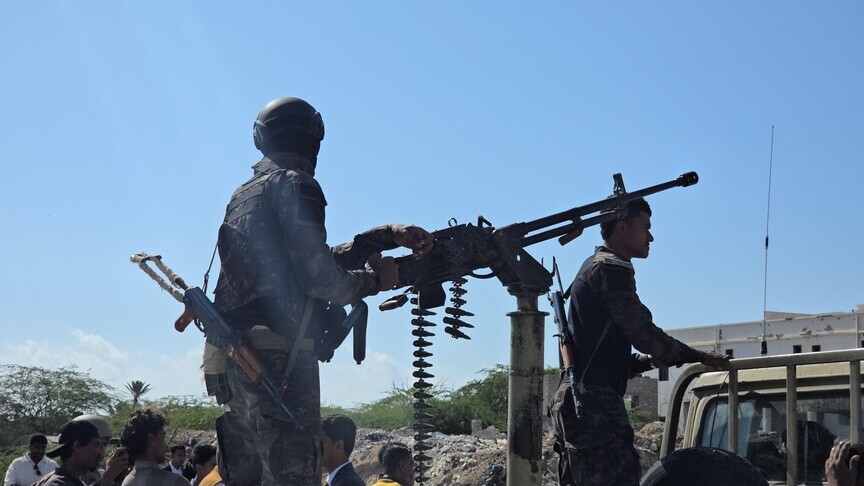
Houthi forces tighten their siege on the government-held city of Taiz, Yemen. — Source: thenewarab
Broader Escalation Between Houthis and Saudi-led Coalition
The Saudi-led coalition plans to issue an evacuation warning ahead of a planned operation in Houthi-held Sanaa. [2] ICRC President Mirjana Spoljaric called for de-escalation and protection of civilians as hostilities in Yemen and Saudi Arabia cause deaths, injuries, displacement and damage to civilian infrastructure. [1] The Houthis have launched missiles and drones at Saudi military bases, energy facilities and airports, killing at least 13 at Riyadh's international airport. [5] In September the Houthis seized part of Yemen's Red Sea coast near the Bab al-Mandab Strait. [5] Pro-government forces later regained control of territory overlooking Bab al-Mandab after launching a major counter-offensive with Saudi air support. [5] The Houthis responded with attacks on Saudi targets. [5]
Background on the Houthis and Yemen Conflict
The Houthis control between one-quarter and one-third of Yemen's territory where about three-quarters of the population live. [5] They are an armed political and religious group from northern Yemen that champions the country's Zaidi minority. [5] The group emerged in the 1990s and takes its name from its late founder Hussein al-Houthi. [5] His brother Abdul Malik al-Houthi has been its de facto leader since 2004. [5] In 2015 the Houthis seized large parts of western Yemen and forced President Hadi to flee abroad, prompting a Saudi-led coalition to intervene. [5] The fighting since then has reportedly left more than 150,000 people dead and triggered one of the world's worst humanitarian crises, with more than 22 million people in need of some form of aid. [5] UN experts estimate the Houthis had recruited up to 350,000 fighters by 2024. [5]
International Warnings and Outlook
ICRC President Mirjana Spoljaric urged de-escalation as civilian casualties and damage to infrastructure mount in Saudi Arabia and Yemen. [4] The Red Cross warned that escalating Mideast hostilities could have disastrous consequences for millions. [4] Yemen's Human Rights Ministry called on the United Nations and international humanitarian organisations to intervene urgently to secure access to food, medicine and fuel. [3] Government forces lack the firepower needed to reverse Houthi gains around Taiz, as troops and local resistance forces are largely equipped with unarmoured pick-up trucks and Kalashnikov rifles while the Houthis possess drones, artillery and tanks. [3] The government's best chance of breaking the siege could depend on success of its parallel offensive along Yemen's western coast. [3]
Displacement and Civilian Toll Across Yemen
More than 200,000 people have been newly displaced across Yemen by the escalation, with 57 percent from Taiz province. [3] The deaths, injuries and destruction in Saudi Arabia in recent days are yet another example of the devastating toll that hostilities are taking on civilians. [1] In Yemen the scale of death, displacement and damage to civilian infrastructure continues to grow. [1] The Houthis have continued to grow in strength during the conflict. [5] Analysts note that the Houthis do not need to capture Taiz outright to weaken government control, as prolonged isolation could erode the defenders' ability to sustain their positions while further deepening a humanitarian crisis. [3]
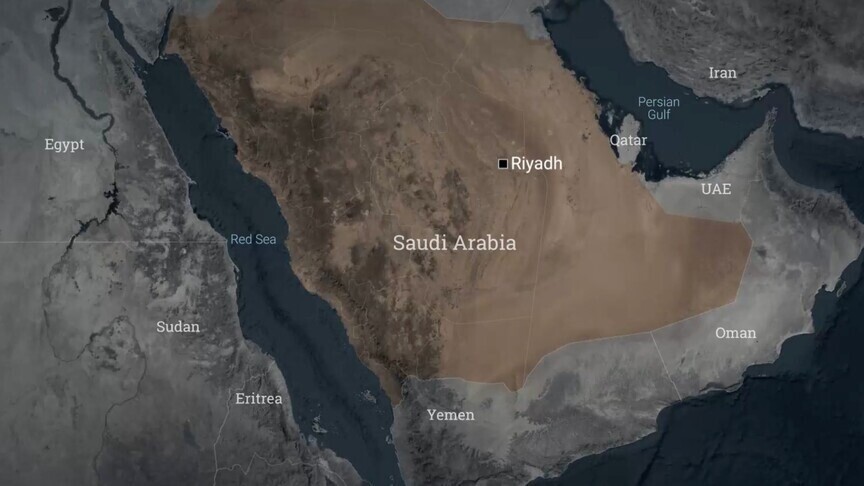
Red Cross warns escalating Mideast hostilities could have disastrous consequences for millions in Yemen. — Source: anadolu
What to watch next
Watch for whether the Saudi-led coalition issues its planned evacuation warning before any Sanaa operation and whether UN intervention can secure supply routes into Taiz amid ongoing calls for de-escalation from the ICRC.