
WW3 Map Updates Show Gaza Healthcare Under Renewed Israeli Threat as Genocide Enters Third Year
The ww3 map continues to highlight developments in Gaza as the Gaza Health Ministry warns that Israel is promoting misleading claims to justify targeting the remaining healthcare system, marking three years since the start of the genocide.
Gaza Health Ministry Warns of Renewed Israeli Allegations
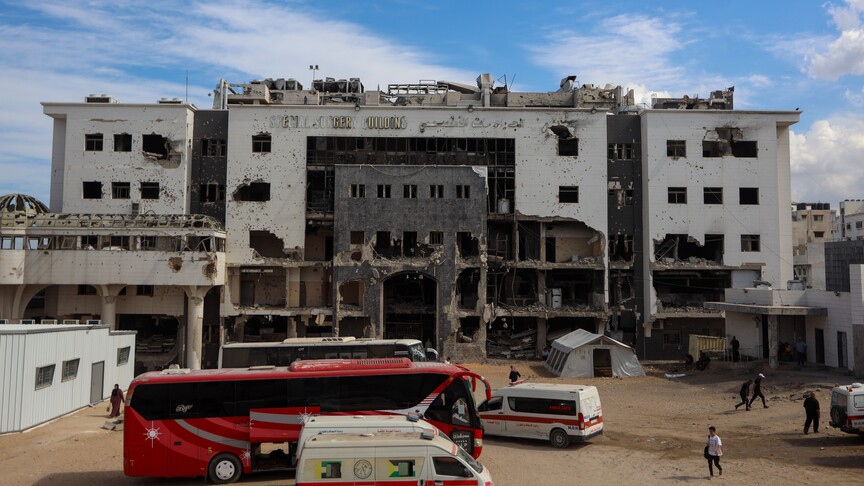
The Gaza Health Ministry has accused Israel of using misleading claims about weapons in hospitals to target remaining healthcare facilities. Ministry spokesman warns of renewed Israeli allegations about weapons in hospitals as Gaza marks 3 years since start of genocide. [1] These warnings come amid ongoing efforts by Israeli forces to justify operations against healthcare infrastructure in the region. The ministry's statements emphasize that such claims lack substantiation and serve to further undermine the already strained medical system in Gaza. Observers tracking the ww3 map note how these developments fit into broader patterns of conflict escalation reported across multiple zones.
One Year After Ceasefire Announcement, Daily Violence Continues
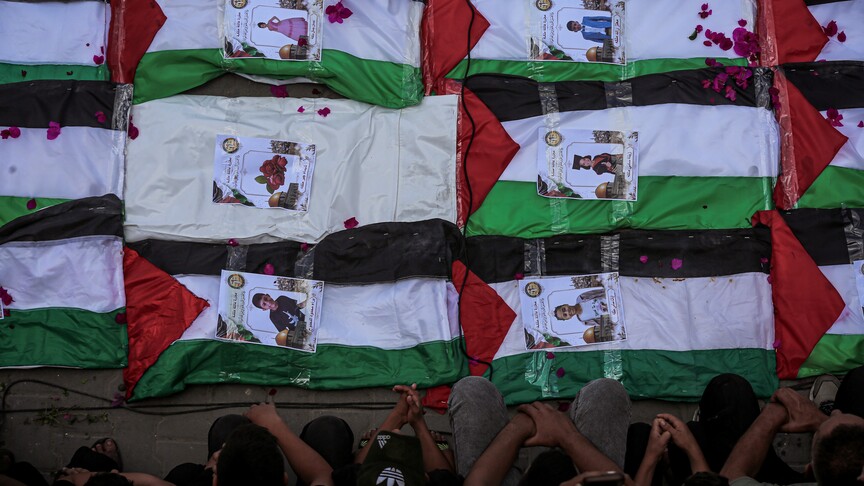
This is not a ceasefire: One year since the ceasefire was announced, Palestinians continue to face daily violence and forced displacement. [3] The humanitarian crisis remains enormous, with most of Gaza’s 2.1 million people displaced and approaching the rainy season in overcrowded sites without adequate shelter. Palestinians in these conditions face heightened risks as the Israeli blockade continues to restrict aid flows into the territory. Reports indicate that the situation has not stabilized despite the passage of time since the announcement, leaving communities vulnerable to repeated incidents of violence and displacement across the occupied Palestinian territory.
Devastation of Water and Power Infrastructure
Israel has devastated water and power lifelines in Gaza over three years, resulting in 91% of households experiencing moderate-to-high water insecurity according to figures cited by the UN. [4] This widespread insecurity stems directly from the systematic targeting of essential infrastructure, leaving residents without reliable access to basic resources. The UN data underscores the scale of the crisis, with the majority of households now grappling with severe limitations on water availability and quality. Such conditions compound existing challenges in sustaining daily life amid prolonged restrictions.
West Bank Attacks on Olive Harvesters
One Palestinian was killed and 12 injured in Israeli occupier attacks on olive harvesters in the West Bank. [2] Fatality and 8 injuries were recorded in attacks by Israeli forces and occupiers in Nablus, with 4 other injuries in Tulkarem according to local sources. These incidents reflect ongoing tensions in the area, where agricultural activities such as olive harvesting have become flashpoints for violence. Local accounts detail the specific locations and casualty figures without attributing broader motives beyond the immediate attacks.
Humanitarian Risks as Rainy Season Approaches
Most of Gaza’s 2.1 million people are displaced and approaching the rainy season in overcrowded sites without adequate shelter and at risk of flooding and disease, while the Israeli blockade continues to restrict aid. [3] The combination of displacement and seasonal weather patterns increases the potential for outbreaks and further hardship in these sites. Aid restrictions imposed by the blockade limit the delivery of essential supplies, heightening vulnerabilities for the affected population as conditions deteriorate.
What to watch next: Updates on the Gaza Health Ministry's warnings regarding healthcare facilities, continued reports of violence in the West Bank, and assessments of water insecurity levels as the rainy season progresses.