
US strikes southern Iran prompting Tehran ceasefire violation claims
The United States conducted a strike Iran in southern regions that has drawn sharp responses from Tehran. This development follows the initial period of a ceasefire and centers on actions in Hormozgan province.
US Strikes in Southern Iran
The United States carried out strikes in southern Iran, marking the first such actions since the ceasefire began. These operations focused on targets in Iran's southern Hormozgan province. Reports confirm the strikes took place on Monday, with Washington describing them as defensive measures. [3] The events unfolded amid ongoing discussions between the two sides, as the US seeks to finalize arrangements before midterm elections. [2] Details from multiple accounts align on the location and timing of these strikes in the southern area.
Further context shows the strikes targeted specific sites within Hormozgan province, representing a shift from the prior lull in direct engagements. The US military executed these operations as part of efforts to maintain defensive postures during fragile negotiations. [3] Observers note that such moves come at a time when Washington aims to conclude matters swiftly.
Iranian Accusations of Ceasefire Breach
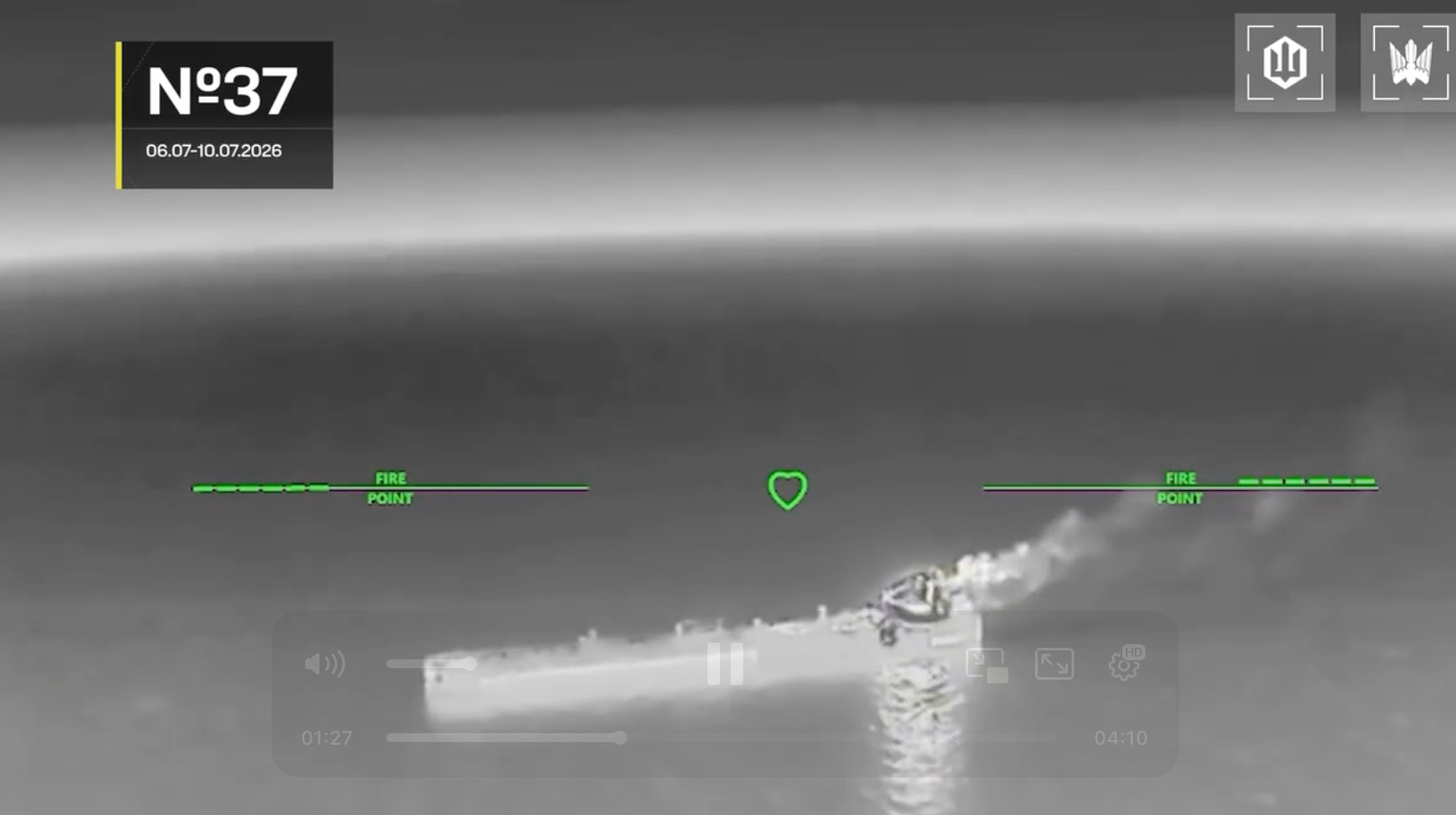
Iran's foreign ministry stated that the United States has violated the ceasefire through these strikes in southern Hormozgan province. [3] Iran's Revolutionary Guards Corps reported that its forces downed a US drone entering Iranian airspace and fired at an F-35 fighter jet. [1] These claims frame the US actions as a direct breach of the truce established earlier.
The accusations emphasize that the strikes broke the terms of the ceasefire agreement. Iran's foreign ministry issued a statement highlighting the violation, while the Revolutionary Guards provided details on their defensive responses to the incoming drone and aircraft. [1] Such reports underscore Tehran's position that the US moves disrupted the truce.

US seeks deal with Iran over release of frozen assets. — Source: france24
Iran has consistently pointed to these incidents as evidence of non-compliance by the United States. The downing of the drone and engagement with the F-35 fighter jet form the core of the military account provided by the Revolutionary Guards Corps. [1] This response follows the strikes in Hormozgan province directly.
Negotiations and Rubio Statement
Secretary of State Marco Rubio stated that negotiating a deal with Iran could take a few days. [5] This comment came a day after the US conducted the defensive strikes in southern Iran. Rubio's remarks addressed hopes for a quicker resolution, indicating that the process would require additional time.
The statement from the Secretary of State aligns with US efforts to advance talks while managing the recent military developments. [5] Rubio noted the timeline explicitly in response to questions about ending the conflict.
Iran has linked any potential agreement to the release of frozen assets. [2] This condition forms part of the broader demands Tehran has raised during discussions. The US position reflects a desire to reach terms amid these conditions.
Context of Fragile Talks
The strikes occurred amid fragile talks between Tehran and Washington, with the US anxious to reach a deal. [2] Iran seeks the release of frozen assets as part of any agreement, tying this demand to the overall negotiations. The backdrop includes growing domestic opposition in the US to continued involvement ahead of midterm elections.
US actions are presented as defensive while efforts continue to finalize arrangements. [2] Iran has accused the US of violating the ceasefire in connection with the strikes, reinforcing the tense atmosphere surrounding the discussions. The focus remains on these core elements as talks proceed.
What to watch next: Further statements from Secretary Rubio on the timeline for a deal and any updates on Iran's demands for release of frozen assets amid the recent strikes.