
Geopolitics Global: UN Warns Strait of Hormuz Closure Risks Economic Recession
In the escalating landscape of geopolitics global, United Nations Secretary General Antonio Guterres has issued a stark warning that the closure of the Strait of Hormuz is strangling the global economy, with the potential to push tens of millions into poverty and trigger widespread global hunger or recession.[1][5]
UN Warning on Strait of Hormuz Closure
United Nations Secretary General Antonio Guterres delivered a pressing address to the press on Thursday, highlighting the severe ramifications of the ongoing crisis in the Strait of Hormuz. He described the closure of this vital waterway—a crucial chokepoint for international maritime trade—as actively "strangling the global economy."[1] Guterres emphasized that the restrictions on free passage through the strait are not only impeding the delivery of essential goods but also amplifying broader economic vulnerabilities worldwide.[1][5] The UN chief's remarks underscore the strait's pivotal role in global supply chains, where disruptions could cascade into humanitarian crises, including a surge in global hunger.[1] This warning comes amid heightened tensions in the Middle East, where the closure has been linked to ongoing conflicts that threaten to destabilize energy flows and trade routes essential for economic stability.[5] Guterres' statements reflect the UN's growing alarm over how such blockades exacerbate poverty risks for tens of millions, potentially tipping fragile economies into recession.[1][5] By framing the issue as a direct threat to unrestricted navigation, the secretary general called attention to the need for immediate international action to restore passage and mitigate these far-reaching consequences.[1]
Economic Impacts of the Middle East Conflict
The Middle East conflict has propelled oil prices to a four-year high, as detailed in live updates from the region, intensifying pressures on global markets.[5] This surge is inextricably tied to the closure of the Strait of Hormuz, which UN Secretary General Antonio Guterres has described as "strangling the global economy."[5] The strait serves as a critical artery for oil shipments, and its restrictions are amplifying volatility in energy costs, with ripple effects felt across industries dependent on affordable fuel.[5] Guterres warned that these developments could push tens of millions into poverty while sparking a surge in global hunger or even a full-blown recession.[5] The economic fallout extends beyond immediate price hikes, as impeded deliveries through the strait disrupt supply chains that underpin food security and industrial production worldwide.[5] Live updates from the conflict zone illustrate how the interplay of military actions and blockades is driving this unprecedented oil price escalation, underscoring the fragility of global energy dependence on this narrow passage.[5] Analysts note that sustained closure could lead to prolonged inflationary pressures, challenging central banks and governments to respond effectively without exacerbating downturns.[5]
Interception of Gaza Aid Flotilla
Activists from the Global Sumud Flotilla have accused Israel of intercepting their vessels in international waters, describing it as the farthest-ever such action, which they say demonstrates Israel's expanding impunity.[3] Several boats remain en route to Gaza, but the incident has drawn sharp international scrutiny for occurring far from contested zones.[3] Iran's foreign ministry has vehemently condemned the seizure, labeling Israel's raid and detention of activists aboard the flotilla as an outright act of "piracy" in international waters.[4] Foreign ministry spokesperson Esmaeil Baghaei characterized the operation as an "attack" that constitutes a blow to the "awakened conscience of humanity," urging global support for the flotilla's humanitarian mission to deliver aid to Gaza.[4] The Global Sumud Flotilla was carrying essential humanitarian supplies, making the interception a flashpoint in ongoing debates over maritime access and aid delivery amid the Gaza crisis.[3][4] Activists' interviews highlight how this broadening of Israel's interception zone signals a pattern of overreach, challenging norms of international waters navigation.[3] Iran's response frames the event within a narrative of state-sponsored aggression, calling for collective international pressure to protect such initiatives.[4]
Global Responses to Terrorism and Deterrence
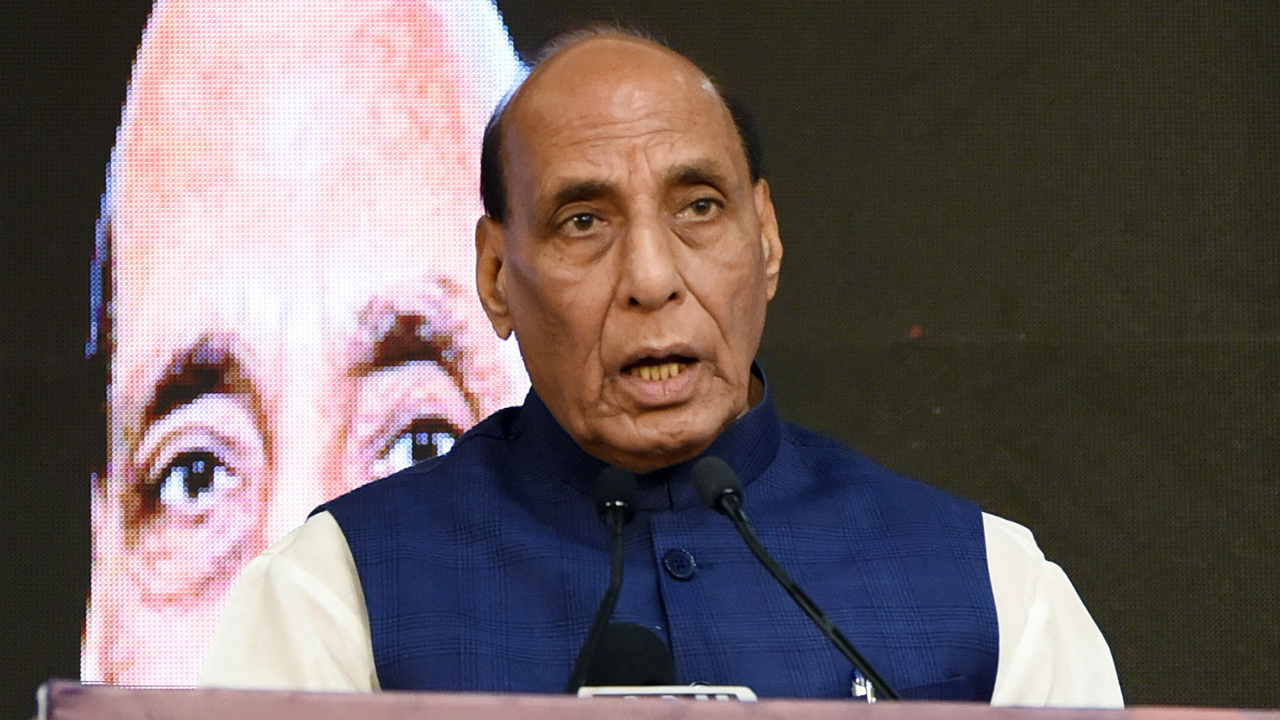
India's Defence Minister Rajnath Singh has positioned Operation Sindoor as a landmark demonstration of deterrence against terrorism, asserting that India halted the operation on its own terms while remaining prepared for a prolonged battle.[2] Singh emphasized that the mission sent a "strong global message," marking a shift from diplomatic rhetoric to tangible action against terror networks.[2] He explicitly identified Pakistan as the "epicentre of international terrorism," stressing the importance of confronting its ideological roots to curb cross-border threats.[2] This stance reflects India's broader strategy in counter-terrorism, where military precision serves as a deterrent in a volatile regional context.[2] Singh's comments underscore the operation's success in achieving objectives without escalation, yet with readiness for extended engagement, signaling resolve in the face of persistent challenges.[2] By linking the operation to global anti-terror efforts, India positions itself as a proactive player, advocating for measures that address terrorism's sources rather than its symptoms.[2]
Broader Implications for International Relations
In the arena of geopolitics global, the closure of the Strait of Hormuz, flotilla interceptions, and counter-terrorism operations interconnect to reshape international dynamics.[1][2][3][4][5] UN Secretary General Guterres' warnings about economic strangulation from the strait blockade highlight vulnerabilities in trade and energy security, potentially fueling poverty and hunger on a massive scale.[1][5] This crisis amplifies the stakes of Middle East conflicts, where oil price surges to four-year highs compound recession risks.[5] Concurrently, the Global Sumud Flotilla's interception—the farthest in international waters—has provoked accusations of impunity from activists and outright "piracy" from Iran, straining diplomatic ties and maritime norms.[3][4] India's Operation Sindoor adds another layer, with Defence Minister Rajnath Singh framing it as deterrence against Pakistan-sourced terrorism, signaling a hardening of regional postures.[2] These events collectively illustrate how localized actions ripple into global tensions, challenging multilateral frameworks and prompting calls for restored navigation freedoms and anti-terror cooperation.[1][2][3][4][5] The interplay underscores a world where economic chokepoints, humanitarian missions, and security operations converge, testing alliances and international law.
What to watch next: Monitor developments in the Strait of Hormuz for any restoration of passage, as UN chief Guterres warns of deepening economic strangulation; track the Global Sumud Flotilla's remaining vessels amid interception risks; and observe responses to India's Operation Sindoor, with potential escalations tied to Pakistan's role in terrorism.[1][2][3][4][5]