
US-Iran Talks in Switzerland End With Progress Toward 60-Day Peace Deal
Talks Yield Encouraging Progress
The first round of negotiations between the US and Iran concluded with encouraging progress, according to mediators Qatar and Pakistan. [5] A joint statement issued on Monday said a High Level Committee had agreed to a roadmap toward reaching a final deal within 60 days. [2] Technical talks are set to continue throughout the week. [2] The US delegation in Lucerne was led by Vice President JD Vance and included Jared Kushner and Steve Witkoff. [2] The Iranian side was headed by lead negotiator Mohammad Bagher Ghalibaf and Foreign Minister Abbas Araghchi. [2] Discussions focused on clarifying Iran's messaging on the Strait of Hormuz reopening and the Lebanon ceasefire. [2] The mediators' statement also noted the creation of a communication line aimed at safe passage for commercial vessels through the Strait of Hormuz. [2]
Trump Threatens Strikes Amid Diplomacy
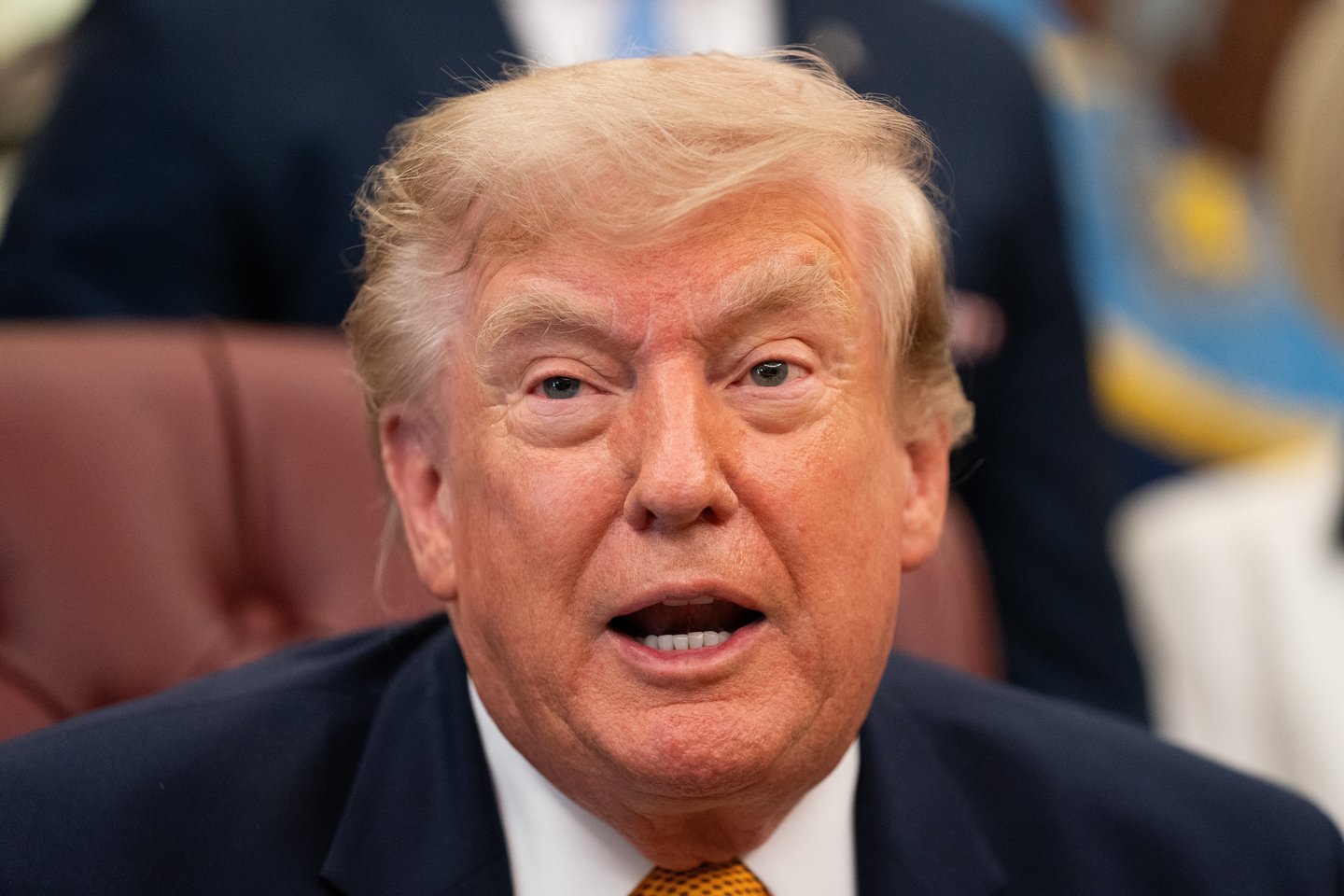
President Donald Trump threatened to restart war with Iran even as the talks began under the interim peace deal. [1] Trump posted that Iran must immediately stop its proxies in Lebanon from causing trouble and warned he would hit Iran very hard again if they did not. [2] Iran's lead negotiator Mohammad Bagher Ghalibaf responded that threats had no effect and that Iran is the one taking action. [2] Before the talks at the Swiss resort of Bürgenstock, JD Vance said Trump had asked negotiators to turn over a new leaf. [2] Vance added that if Iran's leadership was willing to give up being a driver of regional instability and its nuclear weapons ambitions for the longer term, the US is willing to fundamentally transform its relationship with that country. [2] Mohammad Bagher Ghalibaf dismissed Donald Trump's threat to renew strikes on Iran. [2]
Strait of Hormuz Status in Dispute
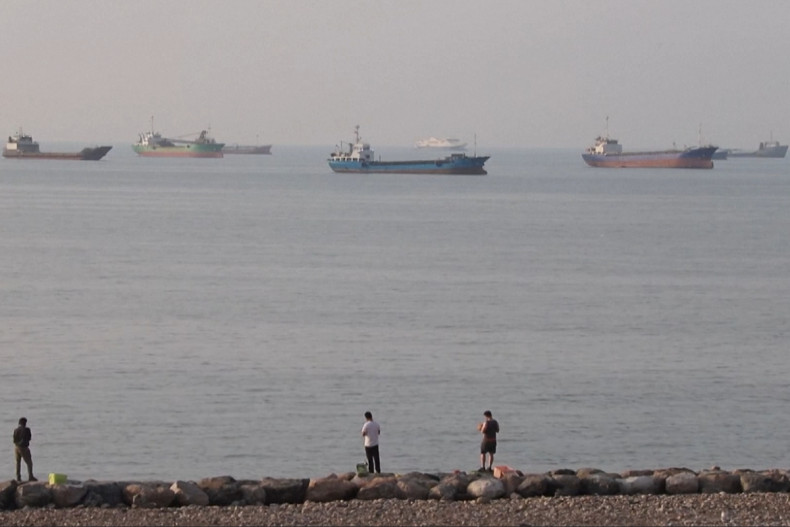
Iran announced it had shut the Strait of Hormuz, though tracking data showed vessels continued to pass through it. [2] On Sunday some vessels appeared to be entering, exiting and transiting the strait according to location data on the maritime tracking website MarineTraffic. [2] Four tankers passed through the strait by late afternoon. [2] Four other vessels, all cargo or carrier ships, appear to be heading eastwards after being stationary on the western approach to the strait since the end of last week. [2] In the other direction, four vessels appear to be heading out of the strait westwards having departed waters off the Iran coast. [2] Tracking data may not capture all movements as some vessels may have turned their trackers off. [2] The US disputed Iran's claim to have closed the strait. [2] The interim agreement commits Iran to reopen the Strait of Hormuz for commercial vessels. [2]
Lebanon Ceasefire Mechanism Established
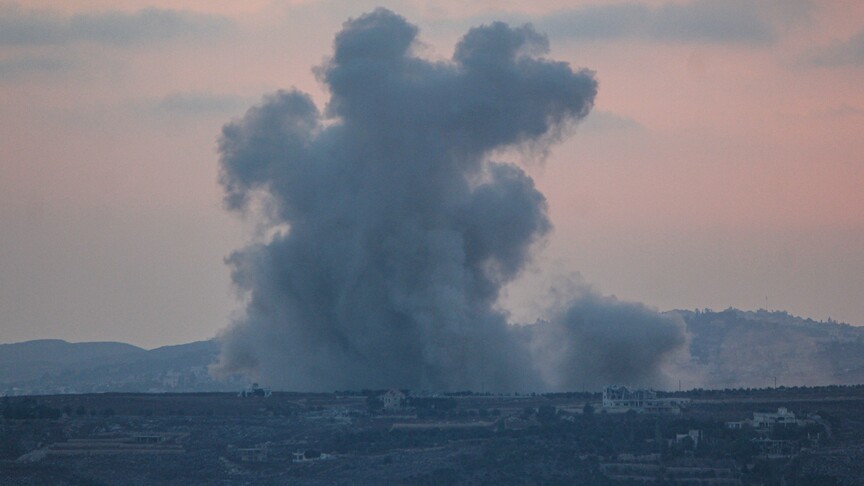
Fighting in southern Lebanon continued with Israeli air strikes and Hezbollah clashes. [2] The health ministry says Israeli air strikes have killed dozens of Lebanese including women and children. [2] The escalation led the US to declare a new ceasefire between Israel and Hezbollah on Friday. [2] Continued clashes and air strikes prompted Iran on Saturday to announce it had shut the Strait of Hormuz. [2] The mediators' joint statement said the parties agreed on the creation of a deconfliction cell between the parties, the Lebanese Republic and facilitated by the mediators to ensure adherence to the termination of military operations in Lebanon. [2] Israeli Prime Minister Benjamin Netanyahu insisted that the Israeli military would remain in southern Lebanon for as long as is necessary to protect northern Israel. [2] Hezbollah leader Naim Qassem has rejected any Israeli military presence in southern Lebanon and said Hezbollah would defend itself. [2] The initial agreement includes a commitment to end fighting on all fronts including in Lebanon. [2]
Nuclear Issues and Reconstruction Path
Negotiations also addressed elements of a nuclear deal. [2] Iran has insisted its nuclear programme is peaceful. [2] Iran has already reaffirmed it will not procure or develop nuclear weapons in the 14-point MoU. [3] The document also refers to agreement to resolve the stockpiled enriched uranium issue in the talks ahead and holds out the option to resolve it by down-blending the material on site under the IAEA's supervision. [3] The issue of Iran's nuclear programme is still to be negotiated. [2] The initial deal also included a $300 billion plan for Iran's reconstruction and the US terminating all types of sanctions on it. [2] The US agreed to lift a military blockade on ships going to and from Iranian ports. [2] Iran will receive waivers for oil exports immediately after signing of the MoU and before nuclear talks begin. [3] The release of billions of dollars of Iran's frozen funds will be in return for good behaviour by Iran and implementation of the MoU. [3]
Broader Context of the Interim Deal
After four months of war both sides wanted an exit ramp from the fighting. [3] The US and Iranian presidents signed the initial agreement earlier this week aiming to end the war with immediate effect. [2] Under the deal Iran was to reopen the Strait of Hormuz the key shipping channel through which 20% of the world's oil and natural gas travels. [2] The effective closure had driven up fuel prices and disrupted the global economy. [2] The initial deal also called for fighting to stop on all fronts but in Lebanon Israeli air strikes have since killed at least 67 people while Hezbollah attacks have killed five Israeli soldiers. [2] Since 2 March 4,057 people have been killed in Lebanon according to the country's health ministry. [2] At least 34 Israeli soldiers have been killed in Lebanon and four civilians in northern Israel according to Israeli authorities. [2] The deal shows the failure of military force as the war imposed by the US and Israel did not compel Iran to surrender and accept terms dictated by them. [3] The MoU is a testament to US inability to accomplish its objectives both on the battlefield and the negotiating table. [3] It sets out multiple concessions that Iran secured with Washington abandoning many of its red lines. [3]
What to watch next is whether both sides honour the MoU and whether technical talks can produce a lasting settlement on Iran's nuclear programme and sanctions relief for Tehran.