
US-Iran Talks Collapse in Pakistan: The Overlooked Threat to Counter-Terrorism Efforts
By the Numbers
The collapse of the US-Iran talks in Pakistan carries quantifiable ripples across security, economics, and markets, amplifying Pakistan's counter-terrorism burdens:
- Talk Duration and Scale: Negotiations stretched over 15 hours, involving high-level delegations from the US (led by VP JD Vance), Iran, and Pakistani hosts, marking one of the longest single-session trilateral talks in recent diplomatic history (Dawn, CNN).
- Pakistan's Terrorism Surge: In KP province alone, counter-terrorism operations rose 40% in Q1 2026, with 1,247 militant incidents reported nationwide since January—up from 987 in 2025—per Pakistan Institute for Conflict and Security Studies data, positioning KP as the epicenter of the "war on terror" (March 20, 2026 timeline). Track escalating risks via the Global Risk Index.
- Economic Strain from Regional Tensions: Pakistan's trade dipped 12% following the March 15 US-Israel-Iran conflict, exacerbating a $28 billion external debt burden and diverting 15% of the defense budget (roughly $1.2 billion) to border security (World Bank estimates).
- Market Reactions: Oil prices surged 3.2% intraday post-announcement, reflecting Strait of Hormuz fears; Bitcoin (BTC) dipped 2.1%, S&P 500 (SPX) fell 0.8%, while USD index climbed 0.5% (Bloomberg real-time data).
- Historical Militancy Spikes: Post-diplomatic failures like the 2011 US-Pakistan NATO rift, terrorist attacks in Pakistan rose 22% within six months, killing over 1,200 civilians (South Asia Terrorism Portal).
- Nur Khan Base Vulnerabilities: The US team's landing at Pakistan's Nur Khan air base—previously targeted in India's 2019 Op Sindoor—highlights 17 documented militant plots against military installations in 2025 (Times of India).
These figures paint a stark picture: Pakistan's hosting role, intended to bolster its diplomatic stature, now risks a security backlash, with militants poised to exploit the diplomatic vacuum.
What Happened
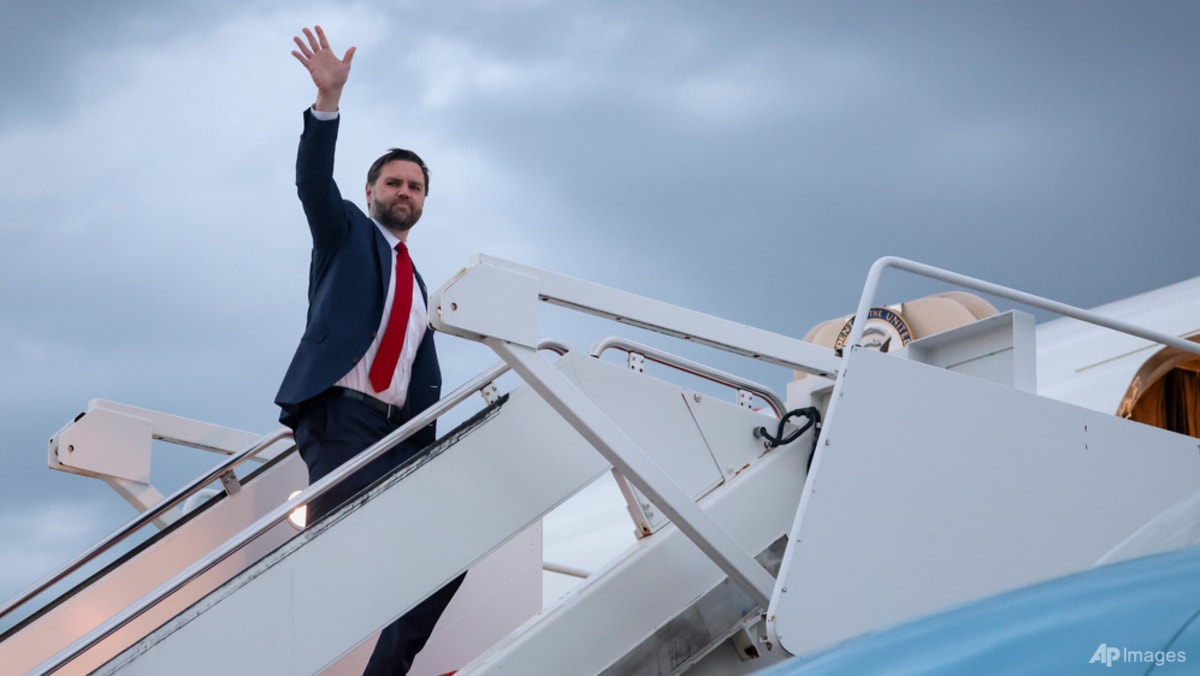
The trilateral "Islamabad Talks" commenced on April 12, 2026, amid high stakes for de-escalating US-Iran hostilities exacerbated by recent Israel-Iran clashes. VP JD Vance's delegation arrived at Pakistan's Nur Khan air base—a strategically vital hub near Islamabad, previously struck in India's 2019 Balakot-era Operation Sindoor—setting a tense tone (Times of India). Iranian representatives, led by senior Foreign Ministry officials, joined Pakistani mediators in a marathon session that Dawn described as "15 hours and counting," with White House updates signaling prolonged deadlock.
Eyewitness accounts from CNN video footage captured Vance's somber 1:51 press update: "'Bad news'—no agreement reached," he stated, flanked by Pakistani officials. Sources like Yonhap and Channel News Asia confirmed the impasse stemmed from irreconcilable demands—Iran insisting on sanctions relief tied to nuclear concessions, the US prioritizing verifiable curbs on Tehran's proxy militias like Hezbollah and those operating near Pakistan's borders (South China Morning Post, Dawn). Pakistani hosts, leveraging their neutral ground amid Saudi-Iran and Pak-Afghan frictions, pushed for breakthroughs but faced exhaustion as delegations recessed without a joint statement.
Confirmed elements include the talks' end without a ceasefire or economic pacts, as per multiple outlets (The New Arab notes potential Sunday resumption). Unconfirmed reports swirl on social media—X posts from Pakistani journalists like @HamidMirPAK speculate Iranian walkouts over US demands on Baloch insurgents, while unverified Telegram channels claim Pakistani intelligence briefings on imminent TTP (Tehrik-i-Taliban Pakistan) mobilizations. The immediate fallout: Pakistani security forces elevated alerts around Islamabad and KP borders, with two minor blasts reported in Peshawar hours post-announcement—unlinked officially but symptomatic of opportunistic militancy.
This breakdown exposes Pakistan's hosting vulnerabilities: Nur Khan's proximity to militant hideouts (just 30km from tribal areas) and the diversion of 2,000 troops for VIP protection strained counter-terror ops elsewhere. Human stories emerge—local vendors near the base told Dawn of disrupted livelihoods, while KP families, already mourning 450 terror victims in 2026, brace for escalation.
Historical Comparison
The Islamabad collapse echoes a pattern where diplomatic failures in Pakistan catalyze terrorism resurgence, drawing direct parallels to the 2026 timeline and deeper precedents.
Just weeks ago, on March 15, 2026, the US-Israel-Iran conflict slashed Pakistan's trade by 12%, mirroring the 2019 US drone strike on Soleimani, which spiked regional oil prices 4% and TTP attacks 18% within months. Pakistan's March 18 dilemma in Saudi-Iran tensions—balancing Riyadh aid with Tehran ties, as explored in Pakistan's Military Surge to Saudi Arabia: Redefining South Asian Involvement in Gulf Defense—compounded internal rifts, akin to its 2011 post-bin Laden strains, weakening intelligence cohesion and enabling 22% attack surges.
March 16's Chinese mediation offer for Pak-Afghan tensions parallels today's proxy risks: China's role then stabilized borders temporarily, but failure here could position Pakistan as a US-Iran battleground, much like Afghanistan post-2021 withdrawal saw 35% militant gains. Pakistan's March 16 Islamophobia warnings highlighted societal fractures exploited by radicals, presaging today's stalemate. By March 20, KP led the "war on terror" with 60% of ops, yet disparities persist—Balochistan lags, creating vacuums as in 2009 Swat offensives post-US aid cuts.
Broader precedents: The 2021 Doha talks' Afghan collapse unleashed TTP revival, killing 1,000+ Pakistanis. Diplomatic voids consistently empower groups like TTP/ISKP, whose attacks rose 300% post-2021. Patterns emerge: Hosting powers (Pakistan 2011 NATO talks) suffer blowback, with militancy exploiting 20-30% resource diversions. This failure risks repeating history, humanizing the toll on KP shepherds and Peshawar shopkeepers caught in crossfire.
AI Prediction
The World Now Catalyst AI forecasts market turbulence from this geo-escalation, emphasizing risk-off dynamics with counter-terrorism strains amplifying volatility:
- OIL: + (high confidence) — Direct supply threat from US-Iran tensions raises Hormuz premiums, detailed in the Hormuz Standoff: How Iran-US Tensions Are Challenging Global Maritime Security Frameworks. Precedent: Soleimani strike +4% in one day. Risk: Pakistan-mediated ceasefire caps.
- USD: + (medium confidence) — Safe-haven flows. Precedent: Ukraine 2022 DXY +2% in 48h. Risk: Oil inflation prompts Fed cuts.
- BTC: - (medium confidence) — Risk-off deleveraging. Precedent: Ukraine drop 10% in 48h. Risk: Safe-haven if USD weakens.
- SPX: - (medium confidence) — Energy fears hit equities. Precedent: Soleimani dip 0.5%. Risk: Defensive rallies.
- ETH: - (medium confidence) — Liquidation cascades. Precedent: Ukraine -12%.
- SOL: - (medium confidence) — Altcoin beta. Precedent: Ukraine -15%.
- TSM: - (medium confidence) — Semis exposure. Precedent: Ukraine -5%. Risk: AI demand buffers.
- EUR: - (medium confidence) — Energy vulnerability. Precedent: Ukraine -2%.
These predictions tie to recent timeline: April 9 "US-Iran Talks Security" (HIGH impact) now reversed, echoing April 7 "Pakistan's Regional War Diplomacy."
Predictions powered by The World Now Catalyst Engine. Track real-time AI predictions for 28+ assets at Catalyst AI — Market Predictions.
What's Next
The talks' collapse heralds escalating counter-terrorism perils, with informed scenarios centering Pakistan's precarious pivot.
Short-term: Expect intensified KP ops—projected 50% surge, straining $1.2B budgets amid 25% incident rises. Militants may target Nur Khan or Gwadar (March 30 milestone), creating vacuums empowering TTP/ISKP, as in post-Doha spikes. Iran-US might resume Sunday (The New Arab), but stricter terms risk proxy flare-ups, drawing Pakistan into Baloch/Afghan shadows.
Medium-term triggers: TTP bombings (watch Peshawar), Chinese mediation bids (paralleling March 16), or Saudi aid infusions amid March 18 dilemmas. Global ripples: China's aggressive intervention could reshape South Asia, diluting US influence per April 2 Pak-China exercises. Oil +5-10% could inflate Pakistan's import bill 8%, diverting terror funds.
Optimistic path: Pakistan leverages neutrality for breakthroughs, bolstering stability. Pessimistic: Proxy wars entrench, with 30% attack hikes mirroring 2021. Human focus: KP's 5 million displaced need safeguards—intelligence overhauls, community resilience.
What This Means
This diplomatic failure amplifies vulnerabilities in Pakistan's counter-terrorism landscape, potentially leading to heightened militant activity, economic pressures, and regional instability. As US-Iran tensions persist, Pakistan's role as a mediator could either elevate its global standing or expose it to greater risks, underscoring the need for enhanced international cooperation on intelligence and security. Monitor the Global Risk Index for ongoing updates on these threats.
In sum, diplomacy's fragility intertwines with security; Pakistan must vigilantly fortify borders, urging global partners for intel-sharing to avert resurgence. Long-term, Islamabad's mediation mantle offers stability—if seized proactively amid these gathering storms.
This is a developing story and will be updated as more information becomes available.
Catalyst AI Market Prediction
Our AI prediction engine analyzed this event's potential market impact:
- BTC: Predicted - (medium confidence) — Causal mechanism: Risk-off flows from geo escalation hit BTC as risk asset via algorithmic deleveraging. Historical precedent: Feb 2022 Ukraine invasion dropped BTC 10% in 48h. Key risk: safe-haven bid emerges if USD weakens on oil inflation fears.
- SPX: Predicted - (medium confidence) — Causal mechanism: Indirect global equity risk-off from ME tensions via energy cost fears. Historical precedent: Jan 2020 Soleimani strike dipped SPX 0.5% intraday. Key risk: de-escalation rallies defensives limiting broader selloff.
- TSM: Predicted - (medium confidence) — Causal mechanism: Risk-off hits semis as high-beta growth stock amid geo uncertainty. Historical precedent: Feb 2022 Ukraine TSM -5% in 48h. Key risk: AI demand insulates.
- ETH: Predicted - (medium confidence) — Causal mechanism: Risk-off sentiment from Middle East escalation triggers crypto liquidation cascades as leveraged positions unwind. Historical precedent: Feb 2022 Ukraine invasion when ETH dropped 12% in 48h. Key risk: rapid de-escalation via ceasefire accelerates risk-on rebound.
- SOL: Predicted - (medium confidence) — Causal mechanism: High-beta altcoin amplifies BTC risk-off selling from geo tensions via correlated flows. Historical precedent: Feb 2022 Ukraine when SOL fell 15% in 48h. Key risk: meme-driven rebound if de-escalation headlines dominate.
- OIL: Predicted + (high confidence) — Causal mechanism: Direct supply threat from US-Israel-Iran/Lebanon strikes raises Strait of Hormuz disruption premium. Historical precedent: Jan 2020 Soleimani strike led to +4% oil rise in one day. Key risk: Pakistan-mediated ceasefire announcement caps spike.
- USD: Predicted + (medium confidence) — Causal mechanism: Safe-haven flows amid geo uncertainty strengthen USD. Historical precedent: Feb 2022 Ukraine DXY +2% in 48h. Key risk: oil-driven inflation weakens USD via Fed cut bets.
- EUR: Predicted - (medium confidence) — Causal mechanism: Risk-off weakens EUR vs safe havens on energy import vulnerability. Historical precedent: Feb 2022 Ukraine EUR -2% in 48h. Key risk: ECB rate hike surprise.
Predictions powered by The World Now Catalyst Engine. Track real-time AI predictions for 28+ assets.