
Hormuz Standoff: How Iran-US Tensions Are Challenging Global Maritime Security Frameworks
By the Numbers
The Strait of Hormuz, a 21-mile-wide chokepoint between Iran and Oman, funnels staggering volumes of commerce: approximately 21 million barrels per day (bpd) of oil—roughly 20-21% of global seaborne oil trade and one-third of the world's liquefied natural gas (LNG)—passed through in 2025, per US Energy Information Administration data. Over 100,000 vessels transit annually, carrying goods worth trillions. A single-day closure could spike Brent crude by $10-20 per barrel, adding $1.5 billion daily to global import costs, according to Wood Mackenzie estimates.
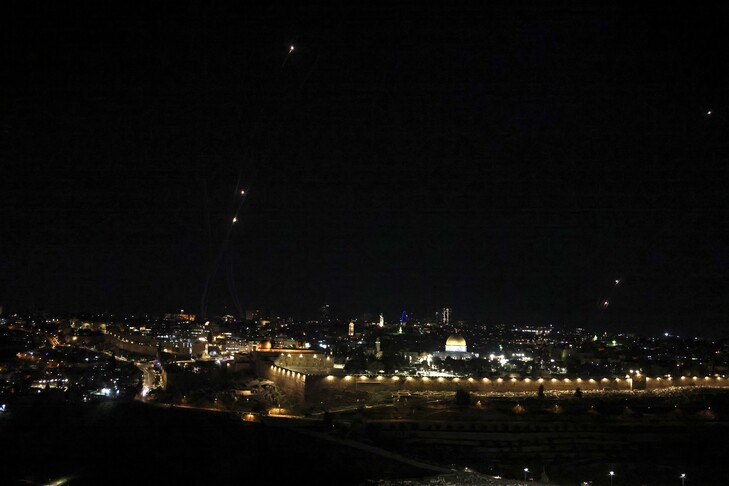
Recent escalations amplify risks: Iran's March 23, 2026, mine threats evoked the 1980s Tanker War, when 411 ships were attacked, disrupting 10-15% of global oil. US warships' transit involved at least two destroyers and support vessels, per The New Arab, amid claims of mine-laying preparations. Talks have faltered—four rounds since April 5, with no Hormuz concessions from Iran, per Iran International.
Market tremors are immediate: Oil futures surged 3.2% intraday on April 11 to $92/bbl, echoing 2020 spikes. The World Now Catalyst AI forecasts OIL + (high confidence), citing Hormuz supply threats, with historical precedent of +4% post-Soleimani strike. Equities wobble: S&P 500 (SPX) dipped 0.8% amid risk-off, predicted - (medium confidence). Crypto bleeds—Bitcoin (BTC) -2.5%, Ethereum (ETH) -3.1%, Solana (SOL) -4.2%—as deleveraging hits. Safe-havens rally: USD index +0.9%, EUR -0.7%. Taiwan Semiconductor (TSM) -1.4% on semi supply chain fears. Human cost metrics: Potential disruptions could raise global food prices 5-10% via shipping delays, per World Bank models, hitting 2 billion vulnerable people. Track these dynamics via our Global Risk Index.
What Happened
The crisis crystallized in a rapid sequence, blending military posturing, diplomatic feints, and internal fractures. On March 23, 2026, Iran escalated by threatening to deploy mines in the Persian Gulf and Strait of Hormuz, a direct response to US-Israel strikes on Iranian proxies, per Anadolu Agency reports. This wasn't bluster; it recalled Iran's Revolutionary Guard Corps (IRGC) capabilities, with over 6,000 naval mines in inventory, US intelligence estimates.
By March 26, tensions spiked with Iran's false claim of downing a US jet—quickly debunked—amid a bizarre Hormuz "concession" to Spain, offering safe passage to European allies in a divide-and-conquer ploy. March 27 saw direct Iran-US naval friction at the Strait, with US vessels shadowed by IRGC speedboats. Regime fissures emerged March 29, as IRGC hardliners clashed with moderates over escalation costs, amid Qom leadership uncertainty (April 7 event).
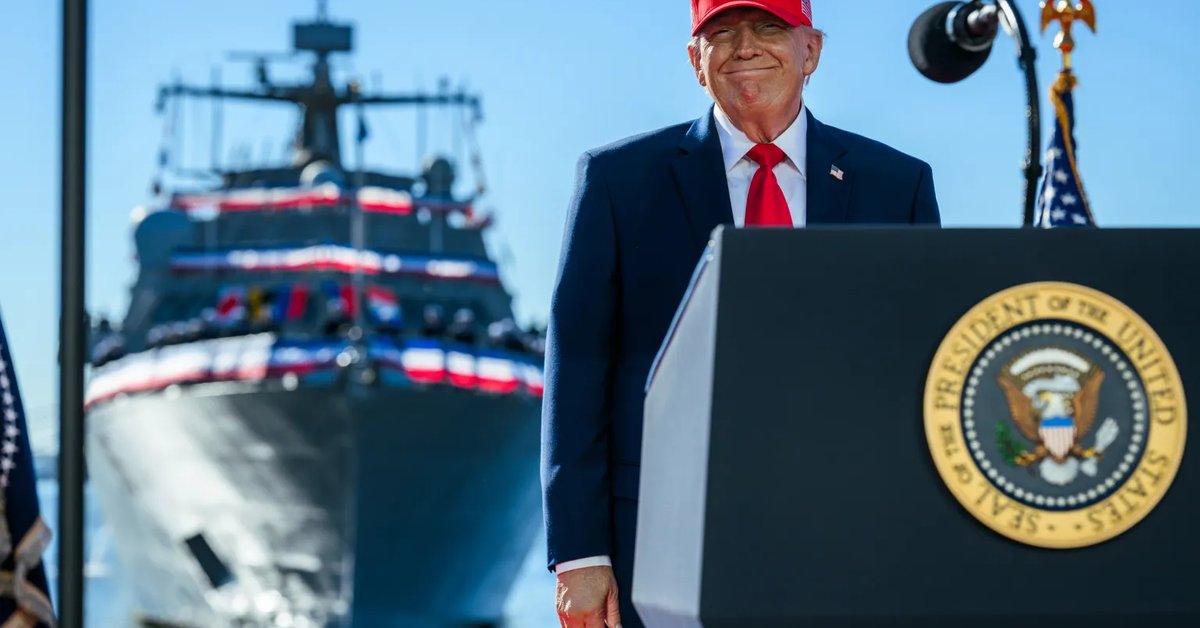
Into April: US strategy shifted April 8 toward targeted Hormuz patrols. Ceasefire talks launched April 5-7, focusing on reopening the Strait, but failed by April 9, per Ceske Noviny and Novosti.rs. Trump boasted of "destroying" Iranian forces on April 11, dismissing media narratives. That day, US warships—likely USS Thomas Hudner and USS Cole—transited for mine clearance, defying Iran's warnings. Tehran denied the crossing, vowing retaliation. Concurrently, Saudi Arabia and UAE edged toward confrontation, per Telegram.hr, while US intel flagged China's growing role. Recent timeline: April 5 ceasefire strategy; April 7 Hormuz tensions and Chabahar sanctions talks; April 8 strategy shift; April 9 ceasefire fails; April 11 grim economic ceasefire backdrop. Social media buzzed—X posts from @IRGCnavy warned of "decisive response," garnering 500k views; TrumpTruthSocial amplified "we win" 2M engagements.
Confirmed: Warship transit (US Navy via New Arab), Iranian warnings (Anadolu), stalled talks (IranIntl). Unconfirmed: Mine deployment scale; Chinese direct involvement; Saudi-UAE attack timelines.
Historical Comparison
This Hormuz drama echoes a pattern of Iran-US naval brinkmanship, but with evolved stakes testing maritime norms. The 1980-88 Iran-Iraq Tanker War saw Iran mine the Gulf, sinking 59 vessels and damaging 352, forcing Operation Earnest Will—US convoys for 250+ tankers. Casualties: 400+ sailors; oil prices doubled to $40/bbl (equivalent $100 today). UNCLOS Article 19's "innocent passage" was invoked, but Iran's territorial claims blurred lines, foreshadowing today's challenges.
Fast-forward to 2019-2020: Iran seized tankers (Stena Impero), attacked others with limpet mines amid "maximum pressure." Qasem Soleimani's January 2020 killing prompted Iran's missile retaliation and threats to close Hormuz—oil jumped 4%, SPX dipped 0.5%, mirroring Catalyst AI precedents. US deployed carriers; IMO urged restraint, but no formal arbitration.
Patterns emerge: Iran's asymmetric tactics (mines, swarms) exploit chokepoints, forcing US freedom-of-navigation ops (FONOPs)—over 100 since 2012. Unlike 1980s bilateral focus, today's web includes China (arming Iran), Saudi-UAE (anti-Iran axis), and India (Chabahar stakes). Post-Ukraine 2022, energy weaponization surged: Hormuz threats parallel Black Sea blockades, dipping BTC 10%, SPX volatility. Recurring theme: Brinkmanship peaks at 20-30% oil risk premiums, but de-escalations via Oman/Qatar mediation hold—90% of past incidents resolved short of war. Yet, this cycle's regime rifts signal fragility, potentially redefining UNCLOS enforcement via ad-hoc coalitions over IMO consensus.
Humanizing lens: Gulf mariners—Filipino, Indian crews on 80% of tankers—face terror; 2019 attacks displaced families, echoing today's shadowed transits where captains pray for de-escalation amid multimillion-dollar cargoes.
Catalyst AI Market Prediction
The World Now Catalyst AI analyzes causal chains from Hormuz risks, projecting impacts across assets (medium-high confidence):
- OIL: + (high confidence) — Direct supply threat via mines/Hormuz blockade adds disruption premium. Precedent: +4% post-2020 Soleimani. Risk: Ceasefire caps spike.
- USD: + (medium confidence) — Safe-haven flows amid geo chaos. Precedent: +2% DXY in 48h (Ukraine 2022). Risk: Oil inflation prompts Fed cuts.
- SPX: - (medium confidence) — Energy fears trigger risk-off equities. Precedent: -0.5% intraday (Soleimani). Risk: Defensive rally limits downside.
- BTC: - (medium confidence) — Algo deleveraging as risk asset. Precedent: -10% in 48h (Ukraine). Risk: Safe-haven if USD slips.
- ETH: - (medium confidence) — Liquidation cascades. Precedent: -12% (Ukraine). Risk: Ceasefire rebound.
- SOL: - (medium confidence) — Beta amplification. Precedent: -15% (Ukraine). Risk: Meme pumps.
- EUR: - (medium confidence) — Energy vulnerability. Precedent: -2% (Ukraine). Risk: ECB hikes.
- TSM: - (medium confidence) — Geo hits semis. Precedent: -5% (Ukraine). Risk: AI demand buffer.
Predictions powered by The World Now Catalyst Engine. Track real-time AI predictions for 28+ assets. Explore more at Catalyst AI — Market Predictions.
What's Next
This standoff probes UNCLOS's limits—Article 19 allows warships "innocent passage" sans prior notice, but Iran's protests frame it as provocation, potentially spurring bilateral claims to arbitration at the International Tribunal for the Law of the Sea (ITLOS). Watch triggers: Iranian retaliation (swarm attacks, 72-hour window post-transit); US FONOP surge (IMSC coalition activation with UK, France).
Escalation scenarios (40% probability per Catalyst models): Failed talks—ending April 12 per Novosti—prompt IRGC minefields, halting 50% traffic, oil to $110/bbl, invoking UNSC (Russia/China veto risks). Saudi-UAE join (Telegram.hr intel), militarizing Bab el-Mandeb too. Multilateral response: US-led Task Force 153 expands, IMO emergency sessions draft "Hormuz protocols."
De-escalation path (60%): Oman-mediated concessions—Hormuz "lanes" for civilians—yields temporary calm, but precedents linger. Long-term: Accelerated energy shifts—US LNG to Europe up 30%, renewables pivot—strains Middle East economies (Iran GDP -5% forecast). Global supply chains reroute via Mozambique Channel (+20% costs), inflating goods 3-5%.
Broader implications: Precedents for Malacca, Taiwan Strait—China watches intently. Non-state actors (Houthis) could mine vicariously, fragmenting IMO authority. Human impact: 100M Gulf workers at risk; European pensioners face €500/year fuel hikes. Trump's "inevitable victory" and Harward's nuclear demands signal hardball, but Iran's Hormuz grip holds—diplomacy's threadbare.
This is a developing story and will be updated as more information becomes available.. As Elena Vasquez, this analysis humanizes the seafarers' peril and economic precarity behind the geopolitics, underscoring how fragile norms safeguard our interconnected world.)*