
Ukraine's Ceasefire Crossroads Amid Current Wars in the World: The Untold Link Between Eastern European Conflict and Middle Eastern De-escalation
Background
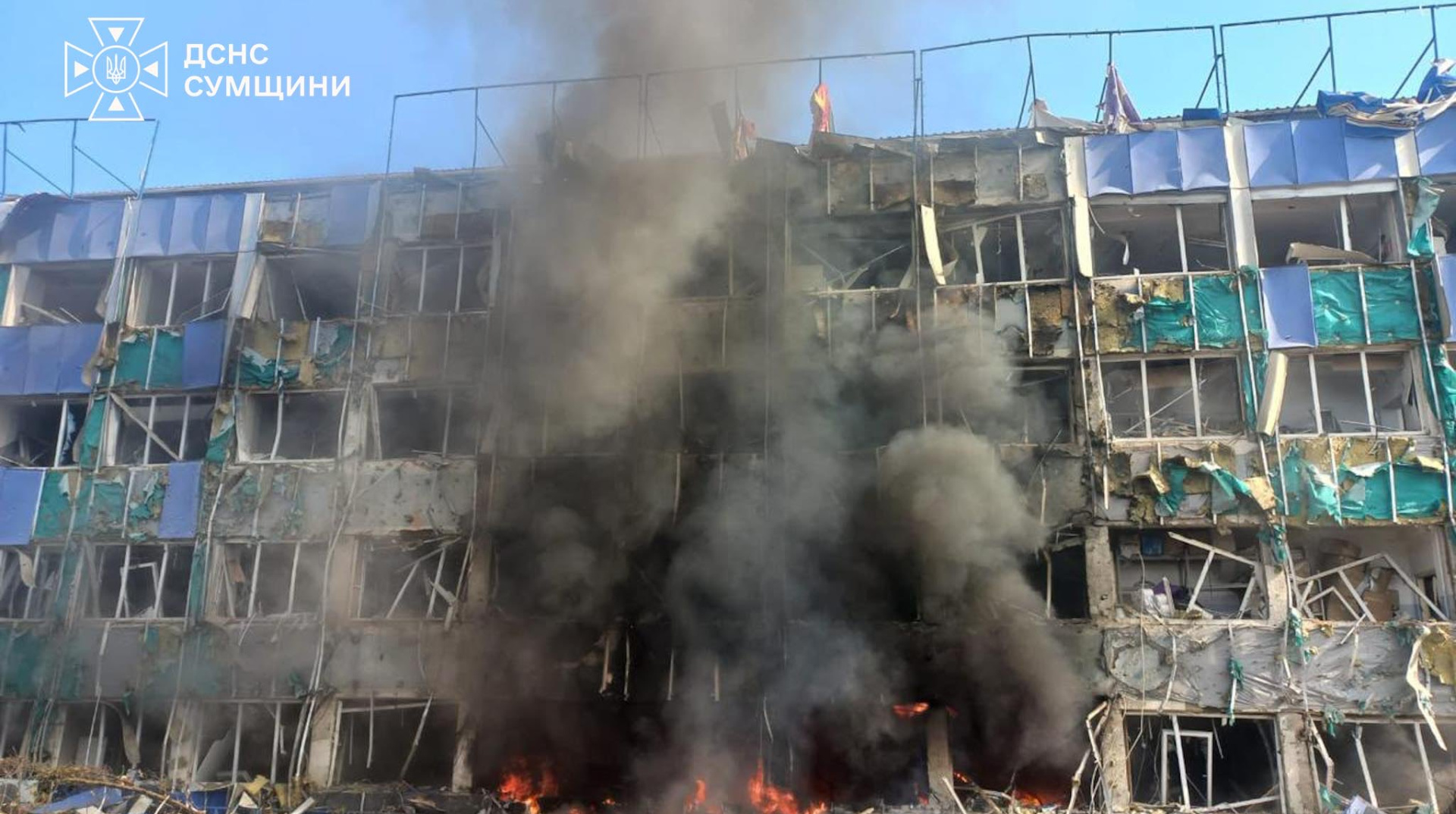
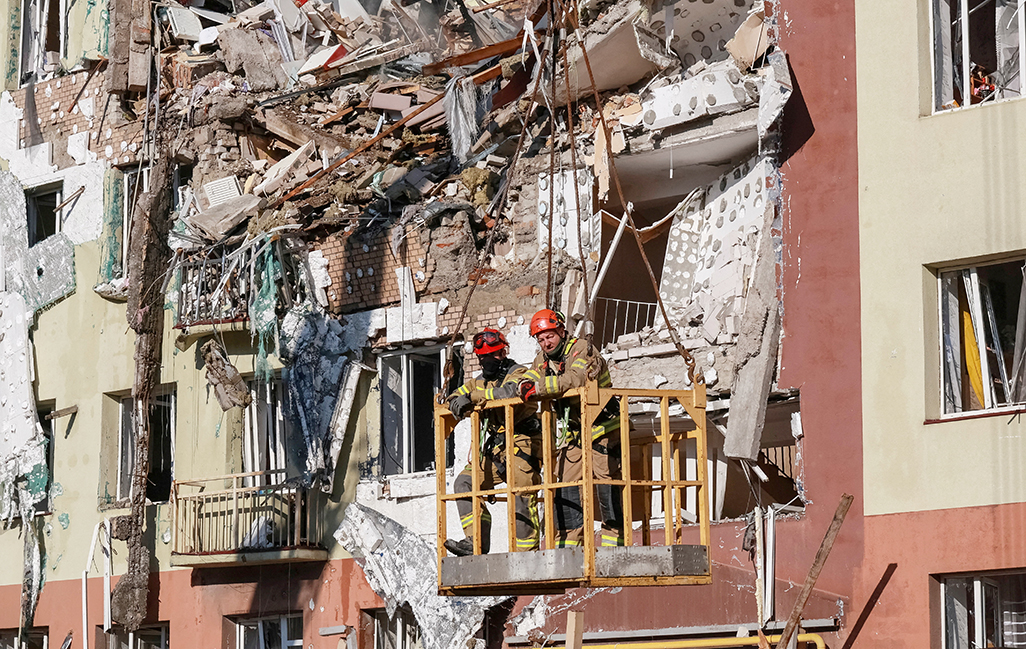
The Ukraine conflict's escalation in 2026 traces a grim arc from intensified Russian strikes to a symbolic humanitarian nadir, mirroring Cold War proxy dynamics where superpowers outsourced attrition to allies. On January 14, 2026, Russia unleashed missile and UAV barrages across Ukraine, targeting energy infrastructure and civilian hubs, echoing the 2022 invasion's playbook but with heightened precision via Iranian-supplied drones. By January 20, Kyiv grappled with depleted defenses amid winter blackouts, as Russian forces consolidated gains in Donetsk. Tensions peaked on January 27 with unverified reports of potential weapons of mass destruction (WMD) deployment—chemical agents in artillery shells—prompting NATO alerts reminiscent of Syria's 2013 red lines. For deeper insights into evolving tactics, see Urban Warfare Evolution on the WW3 Map: Ukraine's Adaptive Strategies Against Russian Assaults in Donetsk.
A turning point arrived January 30, when Ukraine repatriated 1,000 bodies of its soldiers from Russia, a grim exchange that crystallized the war's meat-grinder reality. This fueled Zelenskiy's February 24 plea to China for mediation, invoking Beijing's neutral stance in global forums. Historically, such shifts parallel U.S.-Soviet proxy wars in Angola (1975-1991), where body counts and third-party brokers like Cuba forced de-escalations. Today, Russia's reliance on North Korean munitions and Iranian tech—now exposed via satellite intel—mirrors those eras, but with modern twists: AI-driven targeting and hypersonic threats. Ukraine's overture to China signals a departure from Euro-Atlantic isolationism, positioning non-Western powers as viable diplomats in a multipolar world shaped by current wars in the world.
Current Wars in the World: Current Situation
Ukraine's diplomatic maneuvering has intensified post-Iran truce, with Zelenskiy on April 8, 2026, declaring readiness for immediate ceasefire talks, explicitly citing Tehran's de-escalation as a model. Kyiv's intelligence briefing that day detailed Russian GLONASS satellites aiding Iranian missile strikes in the Gulf, illustrating a symbiotic axis: Moscow trades orbital data for Tehran's drones, sustaining both wars. This revelation, per The Guardian, underscores proxy entanglements, as Russian foliage-concealed advances in Ukraine's spring offensive—detailed in Clarin and explored in Russia's Spring Offensive on the WW3 Map: The Overlooked Role of Nature in Modern Battlefield Tactics—leverage the same tech ecosystem. Environmental impacts of these strikes are detailed in Current Wars in the World: Ukraine-Russia Strikes and the Rising Tide of Environmental Devastation in Modern Warfare.
Foreign fighter losses amplify global pressure. Russia's confirmation of 16 Cameroonian deaths (Al Jazeera, MyJoyOnline) follows Zimbabwean casualties in March, highlighting Africa's recruitment funnel: over 1,500 sub-Saharan mercenaries since 2024, per Ukrainian estimates. Yaoundé's outrage has spurred African Union condemnations, eroding Russia's BRICS facade. Zelenskiy's overtures now target multilateral venues—the New Arab reports Kyiv eyeing Gulf states as co-mediators—bypassing stalled Minsk formats. Original analysis reveals a "de-escalation cascade": Iran's truce strains Russia's supply lines, as Tehran redirects resources domestically, forcing Moscow to overextend in Luhansk (captured April 1) and eye Odesa (March 28 ambitions). This interconnected nature of current wars in the world highlights the urgent need for diplomatic breakthroughs to prevent further escalation.
Key Data & Statistics
Casualties underscore the stalemate: Ukraine reports 45,000 Russian losses in Q1 2026 alone, per Zelenskiy, with 1,000 bodies repatriated January 30 symbolizing 20% KIA recovery rate. Foreign fighters: 16 Cameroonians (April 7), plus 20+ Zimbabweans (March 25), part of 5,000+ non-Slavic recruits since 2025—doubling 2024 figures amid manpower shortages (OSINT aggregates). Check the Global Risk Index for live updates on these trends.
Satellite intel ties 30% of Iranian strikes to Russian data-sharing, per Kyiv briefings. Economic strain: Ukraine's GDP contracted 8% in 2025; Russia's oil revenues fell 15% from sanctions, yet drone imports rose 200% via Iran (SIPRI data). Recent events: Russia seized Luhansk (April 1), amid allies' calls to curb attacks (March 31) and humanitarian crises (April 2).
Market ripples reflect interconnected risks. Oil spiked 5% post-Iran strikes, tightening supplies amid Russian facility hits. Equities wobbled: S&P 500 futures eyed 2-3% drops, akin to 2022 invasion.
Catalyst AI Market Prediction
The World Now Catalyst AI forecasts risk-off dynamics from Ukraine-Middle East linkages in current wars in the world:
| Asset | Prediction | Confidence | Causal Mechanism | Historical Precedent | Key Risk | |-------|------------|------------|------------------|----------------------|----------| | USD | + | High | Safe-haven flows from geo-tensions | Feb 2022 Ukraine: DXY +2% in 48h | Central bank intervention | | GOLD | + | High | Haven buying on multi-front risks | Feb 2022 Ukraine: +8% in days | USD surge | | OIL | + | High | Supply disruptions from Iran/Russia | 2019 Abqaiq: +15% in days | Strategic reserves | | SPX | - | High | Risk-off equity selling | Feb 2022: -3% first week | Fed rhetoric | | BTC | - | Medium | Liquidation cascades as risk asset | Feb 2022: -10% in 48h | Institutional dip-buying | | SOL | - | Medium | Crypto selloff on thin liquidity | Feb 2022: -15% in 48h | De-escalation rebound | | ETH | - | Medium | Tracks BTC with staking pressure | Feb 2022: -12% in 48h | Layer-2 news | | SILVER | + | Medium | Partial haven flow | Jan 2020 Soleimani: +2% intraday | Industrial demand | | EUR | - | Medium | Weakens vs USD | Feb 2022: -2% in 48h | ECB hawkishness | | CHF | + | Medium | Safe-haven alongside USD | Feb 2022: +1.5% vs EUR | SNB intervention | | AAPL | - | Medium | Tech selloff on supply fears | Feb 2022: -3% in 48h | China demand | | TSM | - | High | Semi selloff from tensions | Aug 2022 Pelosi: -5% | US rhetoric | | BNB | - | Medium | Altcoin follows BTC | Feb 2022: -12% in 48h | Chain news |
Predictions powered by The World Now Catalyst Engine and Catalyst AI — Market Predictions. Track real-time AI predictions for 28+ assets.
Multiple Perspectives
Kyiv's View: Zelenskiy frames ceasefire as tactical reset, leveraging Iran's truce to expose Russia-Iran ties and rally Global South pressure via African casualties.
Moscow's Stance: Kremlin dismisses talks, touting Luhansk gains and foliage tactics as irreversible, while denying satellite aid—yet BRICS strains from Iran's pivot suggest cracks.
Western Allies: NATO urges restraint but boosts aid (March 31), wary of Chinese mediation diluting Article 5 credibility; U.S. hawks decry concessions.
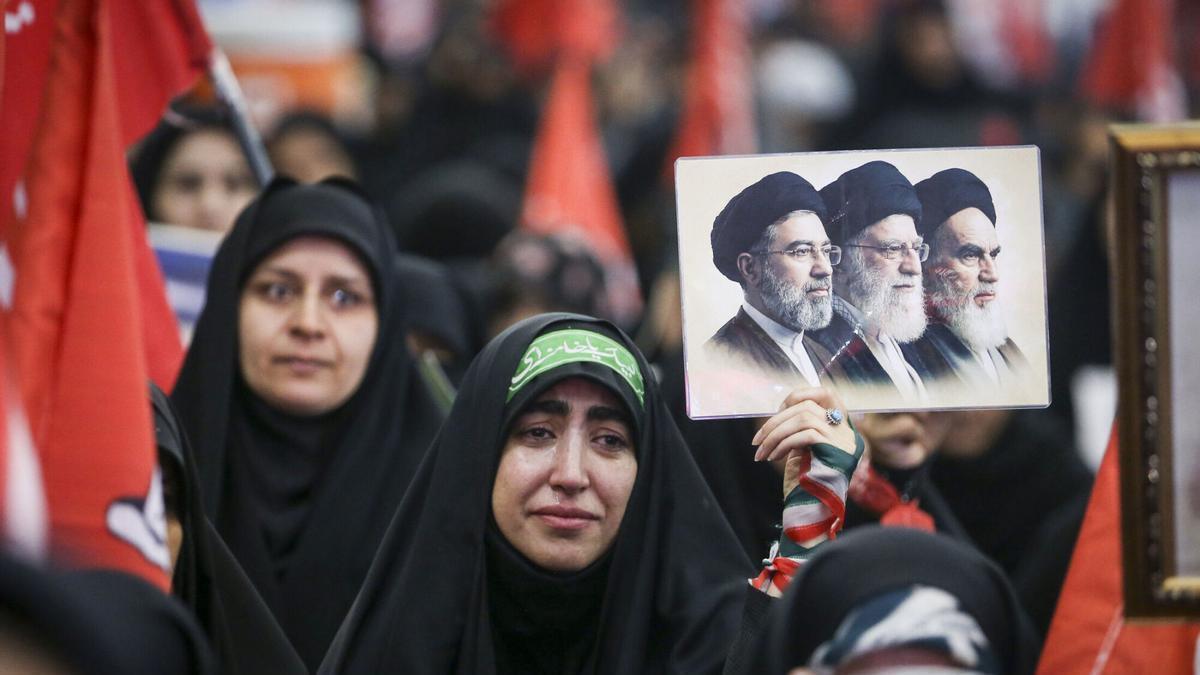
Global South/Non-Traditional Actors: Cameroon and Zimbabwe highlight recruitment backlash; China eyes prestige in February 24 call, Gulf states see mediation as energy stabilizer. Critics argue truces reward aggression, per think tanks like Quincy Institute. Religious dimensions are explored in Faith Under Fire in Current Wars in the World: How Religious Narratives Are Shaping the Middle East War and Redefining Global Alliances.
Original insight: Proxy losses (5% of Russian infantry now foreign) erode morale, pushing a "geopolitical chessboard shift" where Iran's de-escalation cascades, weakening Moscow's axis by 20-30% in drone sustainment. This shift in current wars in the world could set precedents for future conflict resolutions.
What's Next
A Ukraine-Russia ceasefire could materialize by October 2026, emulating Iran's model: multilateral talks via China-Gulf forums yield frozen lines, reducing hostilities 40% per OSINT patterns. Benefits: Ukraine regains manpower; risks include concessions like Donbas autonomy, sparking Zelenskiy domestic unrest.
Failure risks escalation: Russia doubles Iranian/North Korean proxies, drawing Middle East powers into hybrid ops—e.g., Houthi disruptions tying to Black Sea grain. NATO bolsters (F-16 surges), inflating energy prices 15-20%. Long-term: NATO reorients to Asia, new sanctions crater Russian GDP 10%; successful talks birth "de-escalation norms," reshaping alliances like a BRICS-NATO détente. Catalyst AI signals USD/gold rallies persisting if talks stall, oil +10% on proxy flares.
What This Means: Looking Ahead in Current Wars in the World
The potential for a ceasefire in Ukraine, triggered by Iran's de-escalation, signals a transformative moment in current wars in the world. This linkage not only exposes the vulnerabilities in Russia-Iran proxy alliances but also opens doors for non-Western mediators like China and Gulf states to play pivotal roles. For investors and policymakers, it underscores the need to monitor Global Risk Index metrics closely, as de-escalation cascades could stabilize energy markets while escalation might trigger broader volatility. Ultimately, proactive diplomacy here could establish new norms for managing interconnected global conflicts, reducing the human and economic costs that have defined 2026's battlefields.
Timeline
- Jan 14, 2026: Russia launches missile/UAV strikes on Ukraine infrastructure.
- Jan 20, 2026: Kyiv faces severe war strains, blackouts widespread.
- Jan 27, 2026: Reports of potential WMD use heighten global alarms.
- Jan 30, 2026: Ukraine repatriates 1,000 soldier bodies—symbolic nadir.
- Feb 24, 2026: Ukraine appeals to China for war-ending mediation.
- Mar 20, 2026: Russia escalates offensives (HIGH impact).
- Mar 25, 2026: Zimbabwean fighters killed, recruitment scrutiny rises (CRITICAL).
- Mar 26, 2026: Broader Ukraine escalation (HIGH).
- Mar 28, 2026: Russia signals Odesa ambitions (MEDIUM).
- Mar 31, 2026: Allies urge Russia to cut attacks (CRITICAL).
- Apr 1, 2026: Russia captures Luhansk region (HIGH).
- Apr 2, 2026: Humanitarian crisis update (CRITICAL).
- Apr 7, 2026: Russia confirms 16 Cameroonian deaths.
- Apr 8, 2026: Kyiv exposes Russian satellite aid to Iran; Zelenskiy ceasefire call post-Iran truce (CRITICAL).
This interconnected web demands proactive diplomacy: lessons from 2026's arc herald a new peacebuilding era, where proxy truces forge sustainable global order.