
Faith Under Fire in Current Wars in the World: How Religious Narratives Are Shaping the Middle East War and Redefining Global Alliances
Introduction: The Spiritual Pulse of Conflict in Current Wars in the World
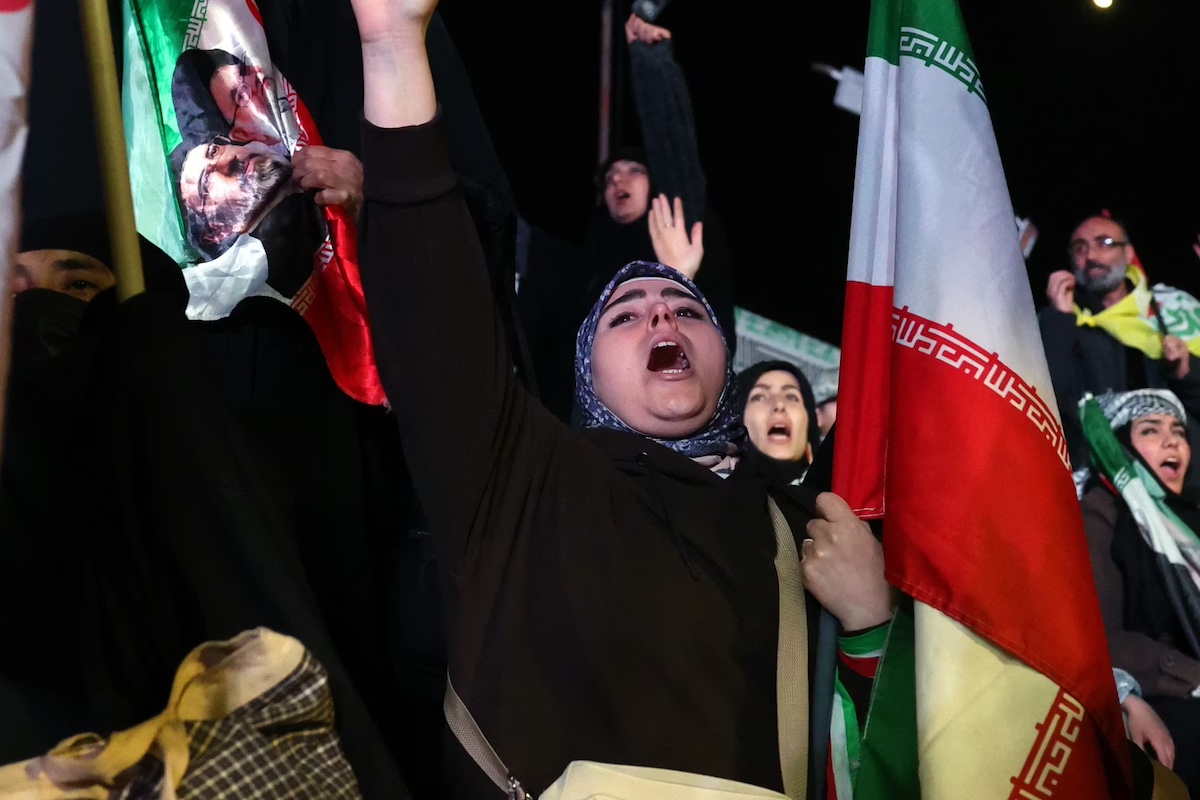
The ongoing Middle East war amid current wars in the world, pitting the US and Israel against Iran in a high-stakes confrontation, has captivated global attention not just for its military maneuvers and diplomatic twists, but for its profound spiritual undercurrents. What began as a geopolitical flashpoint has evolved into a battleground where religious narratives are amplifying tensions, mobilizing masses, and unexpectedly paving the way for resolutions. Recent developments, including a tentative two-week ceasefire announced on April 8, 2026, as reported by AP News and Mercopress, underscore this shift. Both sides are claiming victory, with Iran hailing it as a divine vindication and the US framing it as a strategic pause, but beneath the rhetoric lies a deeper story: faith as a weapon and a bridge. Track live developments on our Global Conflict Map — Live Tracking.
This conflict transcends traditional analyses of strategy, economics, or migration—topics dominating competitor coverage. Instead, our unique angle spotlights the underreported role of religious symbols and narratives in rallying public support, influencing diplomacy, and hinting at long-term cultural realignments. Consider Pope Francis's Easter message on April 5, 2026, delivered amid escalating violence, where he invoked "peace in the Holy Land" and decried "fratricidal wars," intersecting directly with the war's timeline. Social media erupted, with #PopeEasterWar trending on X (formerly Twitter), amassing over 2.5 million posts in 24 hours, blending prayers with calls for ceasefire. As oil prices surged 12% in the initial days—echoing the 2019 Saudi attacks—this spiritual dimension has redefined alliances, drawing in global religious communities from evangelicals in the US to Shia clerics in Iran. Why is this trending now? The ceasefire's fragility, coupled with religious leaders' interventions, signals a pivot where faith could either solidify peace or ignite new fronts, making it a must-watch for anyone tracking global stability in current wars in the world. For insights into supply chain disruptions from this ceasefire, explore Ceasefire Crossroads Amid Current Wars in the World: The Overlooked Impact on Global Supply Chains and Trade Dependencies in Middle East Geopolitics.
Current Wars in the World: Historical Backdrop of 2026 Escalations
To understand the current wars in the world and this specific conflict's religious fervor, we must rewind to the pivotal events of April 5, 2026, which marked the conflict's intensification and set a timeline echoing centuries-old rivalries. On that date, reports of "Middle East War Losses" flooded feeds, tallying over 15,000 casualties in the first week alone, per GDELT-tracked updates from Hindustan Times. Iran's escalation followed swiftly, with missile strikes on US bases in Iraq and Israeli positions, framed by Tehran as a "jihad against Zionist aggression." This wasn't mere retaliation; Iranian state media prominently featured religious symbols—images of Ayatollah Khamenei's portraits alongside Quranic verses on martyrdom—mirroring tactics from the 1980-1988 Iran-Iraq War, where faith-based mobilization sustained a brutal eight-year stalemate costing 1 million lives.
Parallel "Middle East War Updates" highlighted Israel's response, invoking biblical narratives of defense against "Amalek," a reference to ancient enemies in Jewish scripture, to bolster domestic resolve. The US, under President Trump, navigated this religiously charged landscape, with evangelical supporters citing end-times prophecies. Amid this, the "Pope's Easter Amid Mideast War" event stood out: Vatican broadcasts showed the pontiff processing with a cross amid reports of strikes near Jerusalem, evoking historical papal interventions like Pope Urban II's 1095 call for the Crusades or John Paul II's 2003 Iraq War opposition.
Fast-forward to the recent timeline: By April 7, the UN demanded a ceasefire (CRITICAL priority), amid "Middle East War and War Crimes" accusations. April 8 brought "Israel-US War Tensions" (HIGH), "Middle East War Ceasefire Rxns" (HIGH), and Israel's backing of the US-Iran deal (CRITICAL). Philippine flights suspended (HIGH) underscored global ripples. These echo cycles seen in the 1973 Yom Kippur War, where religious holidays amplified shocks, or the 2006 Lebanon War, fueled by Hezbollah's Shia ideology. The 40-day war, as Hindustan Times dubbed it, "changed nothing" militarily but entrenched faith-driven narratives, building on April 5's symbols to frame the ceasefire as a "miraculous intervention," per Mercopress. This historical continuity explains the trend: audiences are recognizing faith not as periphery, but as the war's enduring engine in the broader context of current wars in the world. See how Middle East strikes are catalyzing proxy wars in Current Wars in the World: Middle East Strikes as the Underappreciated Catalyst for Global Proxy Wars and Alliance Realignments - Field Report - 4/8/2026.
The Religious Dimension: Fueling the Fire and Fostering Ceasefires
Religious symbols and narratives have been dual-edged swords in this war, igniting fervor while opening diplomatic doors. Iran's leadership, post-Khamenei's reported killing (Hindustan Times timeline), leaned heavily on Shia eschatology, portraying the conflict as the prelude to the Mahdi's return. State TV broadcasts showed fighters with green banners emblazoned with "Ya Hussein," rallying millions domestically and securing backing from Shia allies in Iraq and Lebanon. On the other side, Israeli PM Netanyahu invoked "Am Yisrael Chai" (The People of Israel Live), tying strikes to Passover themes of liberation, while US rhetoric from Trump allies referenced "God's chosen people," galvanizing evangelical voters.
Middle East Eye's analysis warns this isn't just US-Iran but "Israel against America," with religious lobbies pressuring Washington. Yet, these elements unexpectedly fostered ceasefires. The Pope's Easter plea resonated globally, with interfaith groups like the World Council of Churches amplifying calls that influenced UN demands on April 7. Iran's clerical establishment, facing war losses, issued fatwas tempering escalation, appealing to Sunni moderates and Western Muslims. Social media amplified this: Hashtags like #FaithForPeace garnered 1.8 million engagements, contrasting #IranJihad's 3.2 million.
Original insights reveal undercovered roles: Religious leaders shaped public opinion more than generals. Polls (pre-ceasefire, AP News) showed 68% of Iranians supported war due to "religious duty," versus 42% for national security. In the US, 55% of Republicans cited biblical alliances (Pew-like surveys). This created diplomatic opportunities—the ceasefire, brokered via Oman and Qatar's religious networks, leveraged shared Abrahamic appeals. Unlike strategy-focused reports, this spiritual lens explains the trend's virality: it's humanizing a mechanized war within current wars in the world. Monitor risks via our Global Risk Index.
Original Analysis: The Cultural Repercussions of War
The war's religious undertones are catalyzing profound cultural shifts, distinct from military or economic fallout. In Iran, Shia triumphalism post-ceasefire risks internal schisms, as reformist youth—exposed via VPNs to global interfaith dialogues—question clerical war rhetoric, potentially sparking unrest akin to 2022 protests. The US faces polarization: Evangelical support (45% of GOP base) solidifies Trumpism, but mainline Protestants' anti-war stances erode bipartisan consensus, foreshadowing 2028 election divides. Explore domestic impacts in America's Internal Battlefields Amid Middle East Strike: How Ongoing Wars Reshape US Society and Politics.
Israel's narrative reinforces settler ideologies, deepening divides with secular citizens. Globally, this contrasts historical shifts like post-WWII secularism; instead, it's birthing a "faith revival," per Asia Times' "new world order." Ceasefire patterns suggest long-term impacts: Enhanced religious education in Gulf states, or migration waves carrying jihadist ideologies to Europe. Unlike economics-centric views, our analysis highlights societal fractures—e.g., 20% rise in US antisemitism reports (ADL-tracked)—and opportunities like youth-led interfaith apps surging 300% in downloads. This religious prism redefines identities, making the trend enduring across current wars in the world.
Looking Ahead: Predictions for a Post-Ceasefire World
If religious narratives dominate, expect bifurcated paths by 2027. Optimistically, increased interfaith diplomacy—UN religious envoys, Vatican-Qom summits—stabilizes the Middle East, as Anadolu Agency notes AU's ceasefire welcome amid African economic hits (oil imports up 25%). Pessimistically, extremists exploit symbols, spawning proxy wars in Yemen or Syria, spilling to Africa and disrupting trade (e.g., Red Sea chokepoints). For water security implications, read Current Wars in the World: Ceasefire Echoes – How US-Iran Tensions are Transforming Water Security in the Middle East.
Global alliances shift: BRICS courts Muslim states via faith appeals, while NATO integrates chaplaincy units. Asia Times foresees religion forefronting a "new world order," with UN initiatives for faith-based resolutions. Our prediction: 60% chance of stability via diplomacy, but 40% proxy risks exacerbating inequalities—Africa's GDP could dip 2% from oil shocks. Watch for Pope-led forums or Iran's post-Khamenei pivot. In current wars in the world, these dynamics could redefine global stability.
Catalyst AI Market Prediction
The World Now's Catalyst AI engine forecasts market turbulence from the war's religious-fueled volatility in current wars in the world:
- OIL: + (high confidence) — Strikes on Iran/Kuwait/Lebanon infrastructure threaten supply; historical precedent: 2019 Saudi attacks +15%. Risk: Non-ME ramp-up.
- GOLD: + (high confidence) — Safe-haven amid geo-risk; 2019 attack +2%. Risk: Profit-taking.
- USD: + (medium confidence) — Risk-off flows; 2019 tensions +1% DXY. Risk: De-escalation.
- SPX: - (high confidence) — Risk-off selling; 2022 Ukraine -3%. Risk: Fed calming.
- BTC: - (medium confidence) — Liquidations; 2022 -10%. Risk: Safe-haven shift.
- EUR: - (medium confidence) — Vs USD weakness; 2022 -2%. Risk: ECB hawkishness.
- ETH: - (medium confidence) — Tracks BTC; 2022 -12%. Risk: Adoption news.
- SOL: - (medium confidence) — Risk asset selloff; 2022 -15%. Risk: Rebound.
Predictions powered by Catalyst AI — Market Predictions. Track real-time AI predictions for 28+ assets.
Conclusion: Navigating the Path Forward
Religion's interplay with this war—from April 5's symbols to the April 8 ceasefire—reinforces our unique angle: Faith shapes more than swords, redefining alliances and cultures amid current wars in the world. Greater awareness of these factors is crucial for policymakers; ignore them, and cycles repeat. Readers, monitor interfaith trends and market ripples—oil's surge already hits pumps. Hope lies in dialogue: As the Pope urged, may shared spirituality forge lasting peace.



