
Ukraine Deploys AI Robot Guns on Kyiv Bridges to Down Russian Geran-5 Drones
Ukraine has deployed 12 AI-controlled robotic turrets in Kyiv that have already shot down Russian Geran-5 jet-powered drones as part of efforts to counter faster Russian attacks amid a shortage of air defence ammunition.
Deployment of AI Robotic Turrets in Kyiv
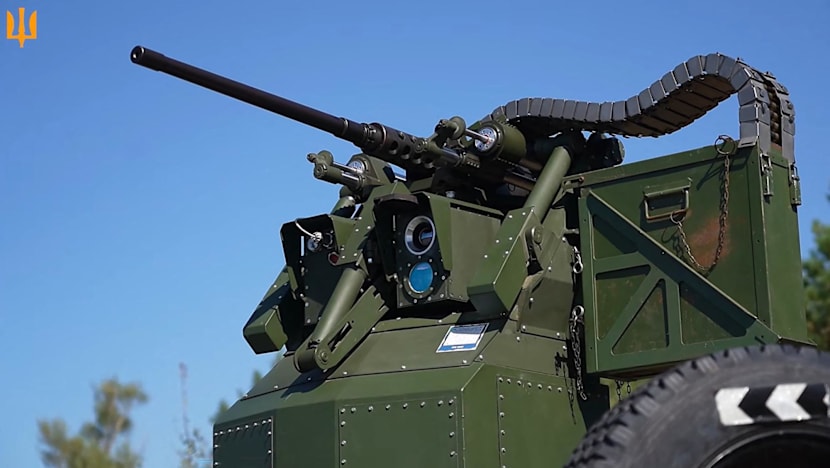
Ukraine has begun using artificial intelligence-enabled robot guns to take down Russia's new and fast-moving jet-powered drones, the Ukrainian air force said. For months, Kyiv has been seeking new ways to intercept the new Russian drones pounding the Ukrainian capital as it faces a dire lack of suitable ammunition to take them out. Russia's newer jet-powered drones move faster and are harder to intercept than the traditional models, which are based on Iranian Shahed drones. As part of Ukraine's efforts to respond, robotic turrets are now being installed on bridges. There have already been shoot-downs of the drones, including the bigger, faster and more powerful Geran-5 version. The new turrets use optical vision and artificial intelligence to eliminate the human factor and deliver strikes. The new automated turrets were an innovative Ukrainian solution that shoots down drones using machine guns controlled by artificial intelligence. Twelve of the turrets had been installed in Kyiv, with more turrets to be installed in the future. [1]
Limitations and Role in Integrated Air Defence
The new system had a small operating radius. It can operate at about one kilometre plus and it works when conditions are favourable, when the attack approach angle is suitable. This is not some kind of panacea, as the turrets were part of an integrated air defence system that provides engagement of these targets at different tiers. Of course we rely on all available assets. Currently, most of the work against jet-powered drones is actually done by aviation. Because they fly high, they fly fast, it's the fighters that can catch them, especially the F-16s. Some pilots could sometimes shoot down more than 10 Shaheds in a single sortie. But the pilots were often forced to use aircraft cannons against drones, because there are no missiles, or there are very, very few. [1]

AI robotic turrets deployed on Kyiv bridges to intercept Russian Geran-5 drones. — Source: ukrainskapravda
Features of Russia's Upgraded Geran Drones
Defence Intelligence of Ukraine has released data regarding a new version of Russian Geran-4 jet-powered UAVs, which the Russians began deploying in the autumn of 2026. The upgraded Geran-4 features a new MOKh module based on a high-precision magnetic induction sensor, the PNI5GA manufactured by the US company PNI Sensor. The MOKh works in conjunction with the SADRA inertial navigation module, reducing gyroscope drift and improving the UAV's autonomous navigation accuracy. In addition to satellite and inertial navigation, the Russians have incorporated another autonomous navigation system called Susanin. This refers to an optoelectronic correlation system that compares real-time images from an optical sensor with a reference image stored in the computer's memory to maintain the UAV's designated route from launch to the target point. The Russians also use an identical system on the new Geran-5 UAV. To strike bridge structures and overhead power line supports effectively by cutting them with a shaped-charge jet, the enemy has begun using a new KRSN warhead. The Chinese Telefly turbojet engine has been replaced by a localised, Russian-manufactured equivalent produced in Alabuga. [3]
Impact of Air-Raid Alerts on Civilian Life
Air-raid warnings were in effect during a record 30.8 percent of shopping centre opening hours in September. The figure stood at 14.1 percent in 2025 and rose to 22 percent in August 2026. All three of the indicators monitored increased over the past month. Yellow-level alerts accounted for 60.9 percent of the total duration of warnings in September, compared with 39.1 percent for red-level alerts. The top five regions where air-raid warnings lasted the longest during this period have remained unchanged: Donetsk Oblast at 92.2 percent, Zaporizhzhia Oblast at 76.1 percent, Sumy Oblast at 73.4 percent, Chernihiv Oblast at 69.1 percent and Kharkiv Oblast at 58.0 percent. Kyiv has also recorded a significant increase, from 11.6 percent to 32.7 percent. On average, air-raid alerts have forced shopping centres across Ukraine to close for 176.5 working days since the full-scale invasion began, including 9.6 working days in September. [2]
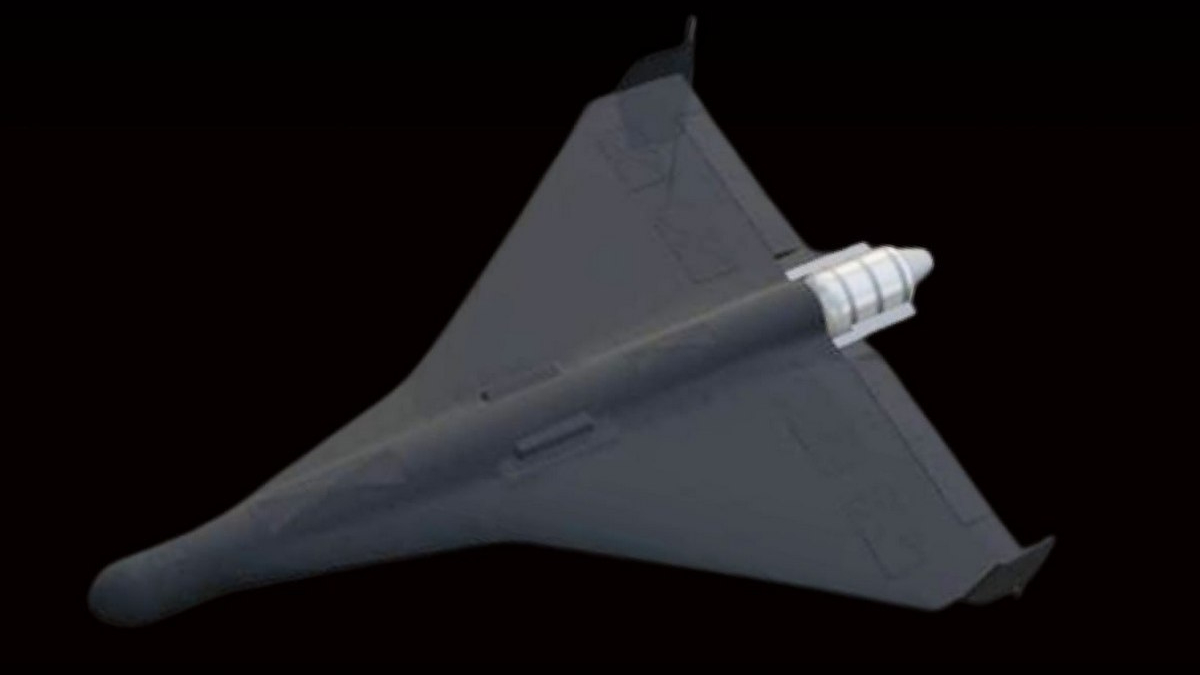
Ukrainian AI robotic turret on a Kyiv bridge targets incoming Russian Geran-5 drone. — Source: ukrainskapravda
Frontline Situation and Russian Tactics
Russian forces continue to attack along the entire line of contact. A total of 177 combat clashes have occurred over the past day, with the highest number recorded on the Pokrovsk and Kostiantynivka fronts. On the Kostiantynivka front, 23 Russian attacks were recorded near the settlements of Kostiantynivka and Novoselivka and towards Osykove, Mykolaipillia, Raiske, Torske and Novopavlivka. On the Pokrovsk front, the Russians conducted 24 attacks near the settlements of Bilytske, Svitle, Vasylivka and Molodetske and towards Hannivka, Dobropillia and Serhiivka. Russia's so-called new approach, with its emphasis on long-range strikes and unrestricted attacks on civilian infrastructure, shows that Russia has been unable to break through the front line and the Ukrainians are now actually managing to retake territory. The Russians really have only one option left and that is long-range bombardment. They have also begun bombing civilian targets, which is a war crime. [5] [4]
Broader Context of AI Integration and Russian Pressure
Ukraine, which has repeatedly sought more support to fend off Russia since its full-scale invasion began in 2022, has been accelerating the integration of artificial intelligence into its defence capabilities. It is already using the technology on the frontlines to guide drones, detect targets for strikes and coordinate large-scale operations. In addition to terrorizing Ukrainian cities, Russia is also trying to exert greater pressure on the West. As part of these attacks on cities, embassies have been warned to leave because it is going to become very dangerous. Then there is all the rhetoric about having arms factories that produce weapons for Ukraine in their sights and using nuclear weapons if necessary. The hybrid attacks being carried out in the West have also become more dangerous. [1] [4]
What to watch next: Ukraine will continue installing more AI robotic turrets while aviation, especially F-16s, handles most intercepts of jet-powered drones amid ammunition shortages, and Russian long-range strikes on infrastructure are expected to persist without breaking Ukrainian resolve.