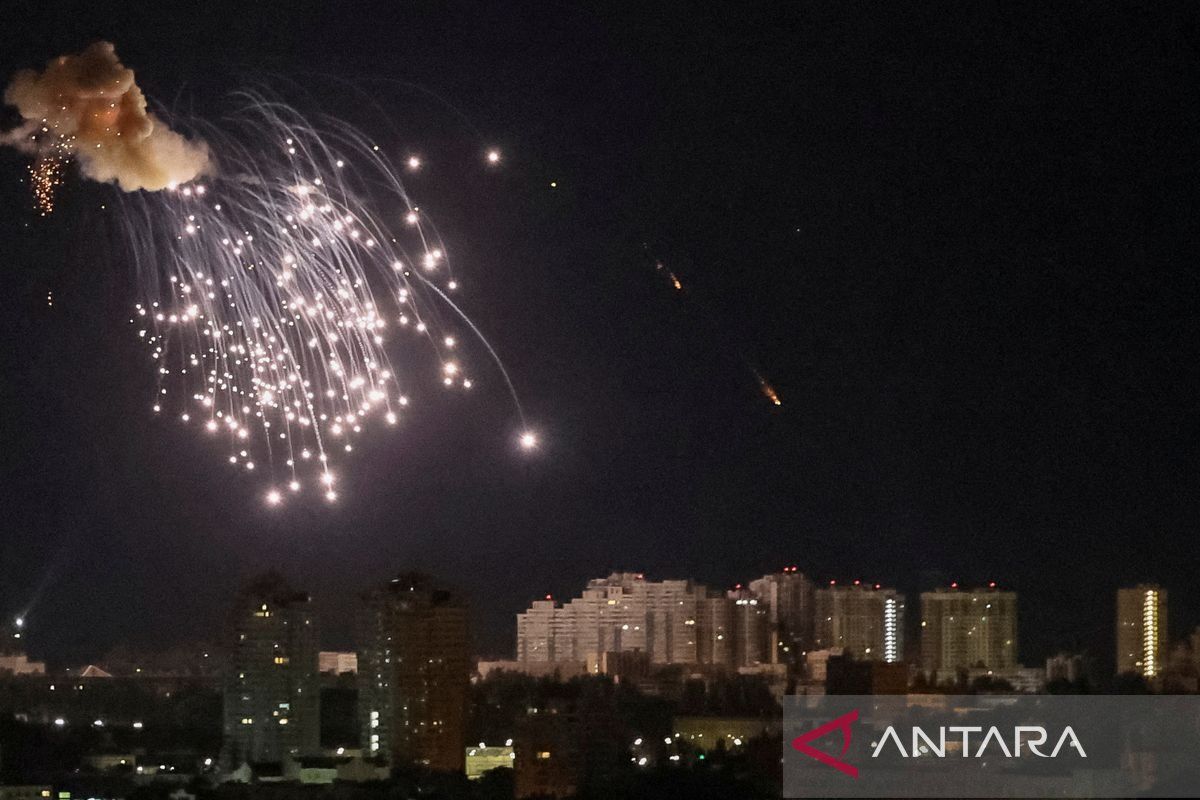

Ukraine Conflict Sees Kyiv Expand Fully Autonomous AI Drone Operations by Year-End
Ukraine plans to expand the operational use of fully autonomous AI-powered drones by the end of this year to counter Russian forces in the Ukraine conflict, aiming to improve targeting precision and regain battlefield initiative amid ongoing Russian advances in Donetsk.
Ukraine's Expansion of Autonomous AI Drones
Ukrainian AI drones can autonomously take off, navigate, identify targets, and execute missions while keeping final human oversight in line with international humanitarian law. [1] These systems are already in use, but the planned expansion covers more advanced models that operate without any pilot input on the controller during flight. [1] Officials from the Brave-1 platform stated that the drones handle takeoff, navigation to target areas, target search and identification, and combat mission execution independently. [1] Interceptor versions have already been deployed successfully near Kharkiv to destroy enemy attack drones. [1] The military intends to broaden their roles to include offensive strikes and interception missions, though exact timelines and scale remain undisclosed. [1] Autonomy becomes essential for flights beyond 100 kilometres, where distance and Earth curvature disrupt communications and control links. [1] Developers noted that AI-based target recognition can make operations more precise, potentially reducing risks to civilians and limiting the effectiveness of Russian jamming or signal tracking. [1] Ukraine is also building an ecosystem allowing partner nations to train AI models on real combat data, with interest expressed in deeper cooperation with Japan. [1]
Russian Advances in Donetsk Region
Russia is advancing toward capturing Kostyantynivka in Donetsk after months of limited progress, with intense fighting also reported on the Pokrovsk, Lyman, and Huliaipole fronts totaling over 100 attacks in one day. Russian forces have made only marginal gains over the past four months despite heavy fighting concentrated in Donetsk. [3] Kostyantynivka has seen the fiercest clashes as Russian troops press toward the city, which has served as a key Ukrainian logistical hub and defensive position for three to four years. [3] Analysts assess that even if Russian units seize the city, broader strategic momentum is unlikely to accelerate afterward because Ukrainian defensive lines and fortified positions lie ahead toward areas such as Kramatorsk. [3] Russian advances have also been recorded in the Lyman direction. [2] Ukrainian officials note that the overall front has remained largely static, with Russian troops unable to translate local pressure into rapid territorial gains. [3]
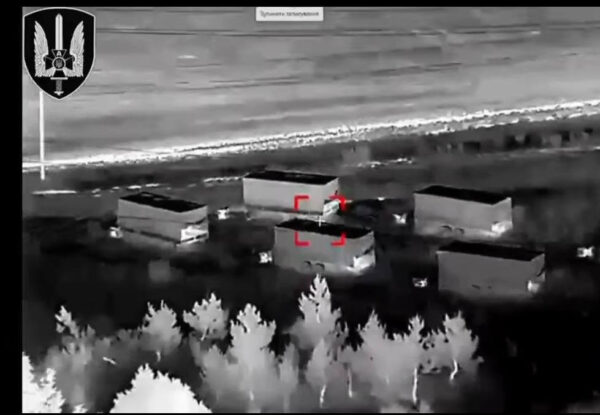
Ukrainian AI-powered drones prepare for autonomous operations against Russian forces in Donetsk. — Source: euobserver
Russian Countermeasures to Ukrainian Drone Superiority
Russia is deploying new electronic warfare systems including Volna Kupol Garant to jam Starlink signals used by Ukrainian drones and is allowing production of lower-quality, higher-sulphur fuel to address shortages caused by Ukrainian strikes on logistics. Evidence has emerged of previously unknown Russian electronic warfare equipment consisting of six trailers with satellite dishes concealed under domes, designed to suppress Starlink signals over roughly 20 square kilometres. [2] Russian military reporters have described the systems as a response to Ukrainian drone operations guided via Starlink terminals in the rear areas. [2] The devices have been positioned along key routes such as the R-280 in southern Ukraine, though their large size makes them vulnerable to Ukrainian strikes. [2] At the same time, Russian authorities extended permissions for refineries to produce petrol and diesel meeting the lower Euro 3 standard instead of Euro 5, permitting sulphur content up to 150 milligrams per kilogram for petrol and 350 milligrams per kilogram for diesel. [2] This measure aims to ease local fuel shortages reported in multiple regions including Moscow and Saint Petersburg, though experts warn of potential engine damage in modern vehicles. [2]
Ukrainian Strikes on Russian Energy Infrastructure
Ukrainian long-range drone attacks continue to target Russian oil refineries and fuel depots in regions including Moscow, Krasnodar, and Yaroslavl, contributing to a war of attrition with no decisive military victory in sight. Ukrainian President Volodymyr Zelenski confirmed a long-range strike on an oil refinery in the Moscow region. [4] Russian authorities reported damage to a Gazprom Neft facility from drone strikes but noted no casualties. [4] In Krasnodar region, debris from an intercepted drone caused a fire at a fuel depot that forced temporary closure of a road linking the area to Crimea. [4] Emergency teams in Yaroslavl region continued efforts to extinguish another blaze at a fuel storage site. [4] These operations form part of Ukraine’s strategy to increase pressure on Russian energy and logistics infrastructure through intensified use of long-range drones and missiles. [4]
Ukrainian AI-powered autonomous drones expand operations against Russian forces in Donetsk region. — Source: ylenews
Daily Combat Activity and Ukrainian Defense
A total of 237 combat clashes occurred over the past day, with Russian forces conducting 104 attacks across the Lyman, Kostiantynivka, Pokrovsk, and Huliaipole fronts. [5] On the Pokrovsk front alone, Ukrainian units repelled 40 Russian assault actions near multiple settlements. [5] Russian troops also launched 20 attacks on the Lyman front and 29 attacks on the Huliaipole front. [5] Ukrainian forces maintained defensive positions across all sectors while continuing to inflict losses on advancing Russian units. [5] Additional Russian activity included airstrikes and artillery strikes on northern and southern fronts, yet Ukrainian defenders prevented any territorial breakthroughs. [5]
Broader Outlook and Diplomatic Context
Ukrainian officials express optimism that sustained medium-range strikes could shift the trend against Russia over time, though manpower shortages remain a key challenge. Sustained Ukrainian strikes at distances around 120 kilometres from the front line have already complicated Russian logistics and command arrangements. [3] If these medium- and long-range operations continue at current intensity, analysts assess that the overall trend could gradually turn against Russia. [3] Persistent Ukrainian manpower shortages, however, remain a significant constraint, prompting consideration of higher financial incentives to attract infantry recruits including foreign volunteers. [3] US President Donald Trump has reiterated calls for a negotiated settlement, highlighting the heavy losses on both sides and the absence of a decisive military outcome after more than four years of fighting. [4]
What to watch next: Continued Ukrainian medium-range drone operations against Russian logistics targets and any Russian deployment of additional electronic warfare systems to counter them, alongside developments around Kostyantynivka and diplomatic efforts led by the United States.






