
Ukraine Conflict Sees AI Drones Strike 40 Percent More Russian Tanker Trucks in May
In the Ukraine conflict, Ukrainian AI-enabled mid-range drones are increasingly disrupting Russian logistics by autonomously navigating past electronic warfare and air defenses to strike supply lines, fuel depots, ammunition dumps and command posts up to 150-200 km behind front lines.
AI Integration in Ukrainian Mid-Range Drones
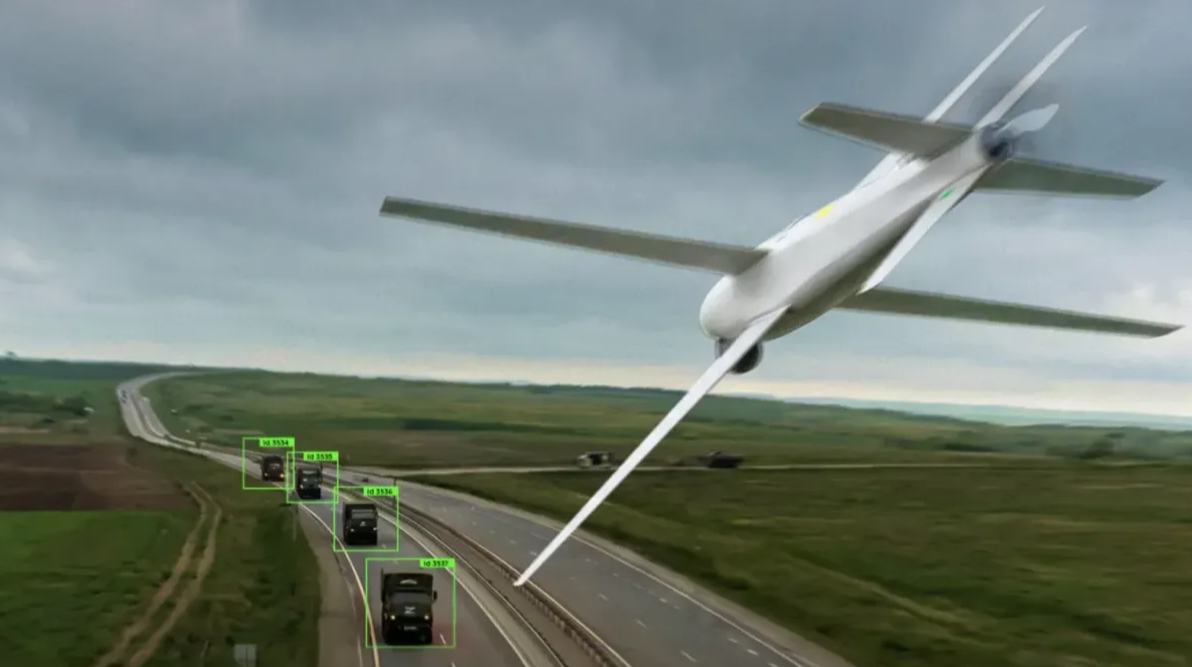
Ukrainian mid-range drones integrate neural networks, onboard computing and optical cameras to maintain course using real-time imagery matched against stored satellite data, enabling autonomous navigation beyond 50 km where Russian jamming is prevalent. [1] The defence ministry explained that at distances of more than 50 km behind the front line, Russian electronic warfare systems can jam or spoof the navigation of attack drones. [1] Specialised onboard computing systems and optical cameras are being integrated into Ukrainian UAVs to counter this. [1] A neural network continuously processes the drone's imagery and helps it maintain its course. [1] The algorithm compares real-time imagery with high-resolution satellite data stored in its onboard memory. [1] This allows the system to determine its position by correlating visual landmarks and calculating the drone's trajectory. [1]
Operational Advantages and Targeting Capabilities
The AI systems provide automated target detection, lock-on, and engagement, distinguishing real military equipment from decoys by analyzing geometry, surface characteristics and heat signatures, while also planning optimal routes that avoid Russian air defense zones. [1] The algorithms also analyse the video feed to guide the drone towards its target. [1] The AI can distinguish between silhouettes of military equipment and perform automatic lock-on when it identifies the designated equipment or structure. [1] If the target is an air defence position, the artificial intelligence identifies the launcher or radar, automatically designates the target and adjusts the UAV's control surfaces to enable a precise dive profile. [1] The neural network onboard the drones also helps distinguish decoys from combat equipment. [1] The algorithm compares object geometry, surface characteristics and engine heat signatures to improve target identification and ensure effective use of the system. [1] Artificial intelligence is involved at the mission planning stage to create a route that bypasses Russian air defense zones. [1] The programme calculates an optimal flight path, taking into account terrain features, identified radar blind spots and the assessed engagement ranges of enemy air defence systems. [1] This integrated planning process helps maximise the effectiveness of mid-range drones in targeting logistics nodes, depots, equipment and command posts. [1]

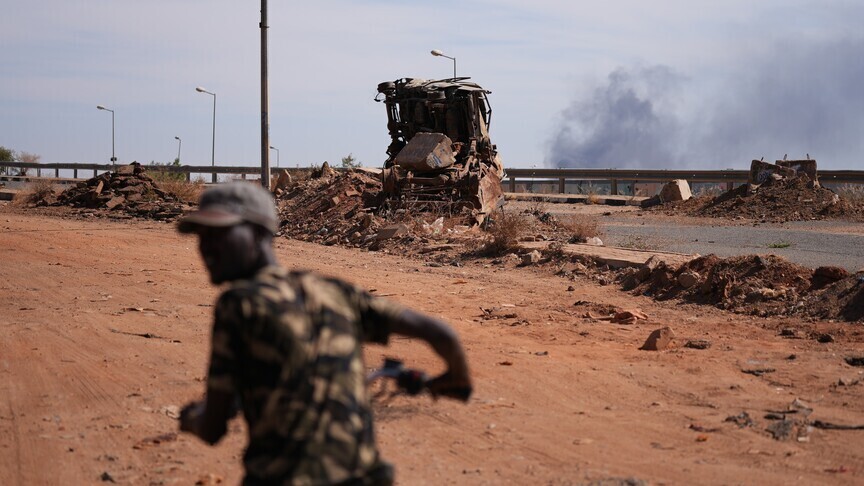
Ukrainian AI-enabled mid-range drone strikes Russian tanker truck behind front lines. — Source: japantimes
Impact on Russian Logistics and Supply Lines
Strikes on Russian tanker trucks rose 40% in May compared to April, while destroyed air defense launchers more than doubled; occupying forces in Crimea are running short of fuel as a result. [2] Waves of AI-guided drones are hammering Russian supply lines in occupied Ukraine as Kyiv seeks to capitalize on its latest advances in technology and tactics. [2] Ukrainian commanders have been focusing on upgrading the medium-range strike drones. [2] The latest models are more resistant to electronic jamming and have autonomous targeting capabilities that allow them to hit fuel depots, ammunition dumps and command posts up to 150 kilometers beyond the front lines. [2] As a consequence, strikes on Russian tanker trucks jumped by 40% in May compared with the previous month, Bloomberg analysis of data from Ukraine’s Ministry of Defence shows, while the number of air defense launchers destroyed has more than doubled. [2] Occupying forces on the critical Crimea peninsula are running short of fuel. [2] Ukrainian forces have intensified their strike campaign against Russian logistics, disrupting fuel deliveries and complicating other supplies critical to the Russian army. [5]
Drone Strike Statistics for May
Ukrainian drone units struck nearly 180,000 Russian military targets in May, a 12.7% increase from April, and conducted nearly 2,000 strikes with medium-range systems including 414 hits on headquarters, command posts and troop concentrations. [5] Ukrainian drone units struck nearly 180,000 Russian military targets in May, marking a 12.7% increase compared with April, Commander-in-Chief Oleksandr Syrskyi said on Facebook on June 11. [5] Syrskyi described the results as evidence that Ukraine is maintaining momentum in the technological race with Russia. [5] Ukrainian forces now hold a 1,5-to-1 advantage in FPV drone operations over Russian troops, and that gap has continued to widen in recent months. [5] Ukrainian forces also intercepted around 4,000 Russian Shahed-type drones in May, a 27% increase from the previous month, and struck nearly 10,000 positions used by Russian drone operators. [5] Since the beginning of 2026, Ukrainian drone operators have eliminated 12,500 more Russian troops than Russia has recruited into its armed forces over the same period. [5] Ground robotic systems completed 12,500 missions in May. [5] Ukraine has also expanded its use of middle strike systems, which target Russian forces and infrastructure up to 200 kilometers behind the front line. [5] In May, Ukrainian forces carried out nearly 2,000 strikes using these systems, including attacks on 414 Russian headquarters, command posts, troop concentration areas, and other military targets. [5]

Ukrainian AI-enabled drones navigate autonomously to strike Russian logistics targets behind front lines. — Source: balkaninsight
Daily Battlefield Situation
Over the past day, 241 combat clashes occurred across fronts with the highest intensity on Pokrovsk and Huliaipole, where Russian forces launched over 10,000 kamikaze drones, 317 guided aerial bombs and conducted thousands of strikes. [4] A total of 241 combat clashes have occurred on the battlefield over the past day, with the Russians conducting the highest number of attacks on the Pokrovsk and Huliaipole fronts. [4] According to updated information, the Russians launched 1 missile strike, using 2 missiles, and 116 airstrikes, dropping 317 guided aerial bombs. [4] In addition, the Russians deployed 10,104 kamikaze drones and conducted 3,528 strikes on Ukrainian positions and settlements, including 52 from multiple-launch rocket systems. [4] Ukraine's Air Force and Rocket Forces and Artillery struck 17 clusters of Russian personnel and three artillery systems. [4] On the Pokrovsk front, the Russians conducted the highest number of attacks. [4] Ukraine's defence forces stopped 47 Russian attacks near the settlements of Zatyshok, Novooleksandrivka, Muravka, Hryshyne, Kotlyne and Udachne and towards Novyi Donbas, Bilytske, Shevchenko, Dorozhnie, Vilne and Novopavlivka. [4] On the Huliaipole front, the Russians conducted 20 assaults near the settlements of Rybne and Myrne and towards Vozdvyzhivka, Huliaipilske, Charivne, Staroukrainka and Verkhnia Tersa. [4] On the North Slobozhanshchyna front and in the operational zone in Russia's Kursk Oblast, the Russians launched one airstrike, using three guided aerial bombs, and conducted 55 strikes on Ukrainian positions and settlements. [4] On the South Slobozhanshchyna front, the Russians tried nine times to attack Ukrainian positions near the settlements of Starytsia, Odrarne and Lyman and towards Kolodiazne, Okhrimivka and Izbytske. [4] On the Kupiansk front, Ukraine's defence forces stopped two Russian attempts to advance towards the settlements of Bohuslavka and Kivsharivka. [4] On the Lyman front, the Russians made 17 attempts to penetrate Ukrainian defence near the village of Novoselivka and towards Drobysheve, Ozerne, Lyman, Shyikivka and Stepove. [4] On the Siversk front, the Russians conducted 11 assaults near the village of Zakitne and towards Kryva Luka and Rai-Oleksandrivka. [4] On the Kramatorsk front, the Russians did not conduct any offensive actions. [4] On the Kostiantynivka front, the Russians conducted 11 attacks near the settlements of Pleshchiivka, Kostiantynivka and Illinivka. [4] On the Oleksandrivka front, the Russians conducted three attacks near the village of Vorone and towards Oleksandrohrad. [4] On the Orikhiv front, Ukraine's defence forces stopped two Russian attempts to advance near the settlements of Stepnohirsk and Mali Shcherbaky. [4] On the Prydniprovske front, Ukrainian units stopped one Russian attack towards the Antonivka Bridge. [4]
Broader Technological Momentum
Ukraine holds a 1.5-to-1 advantage in FPV drone operations over Russia that continues to widen; ground robotic systems completed 12,500 missions in May for logistics, evacuation and other high-risk tasks. [5] Syrskyi described the results as evidence that Ukraine is maintaining momentum in the technological race with Russia. [5] The commander-in-chief added that Ukrainian forces now hold a 1,5-to-1 advantage in FPV drone operations over Russian troops, and that gap has continued to widen in recent months. [5] Meanwhile Russia has struggled to recruit personnel for its drone units. [5] Since the beginning of the year, only 14,500 contract soldiers have joined such formations, or about 21% of the annual recruitment target. [5] Ukrainian commanders have been focusing on upgrading the medium-range strike drones, according to Ukrainian officials and a Russian involved with the industry. [2] The latest models are more resistant to electronic jamming and have autonomous targeting capabilities that allow them to hit fuel depots, ammunition dumps and command posts up to 150 kilometers beyond the front lines. [2]
What to watch next: Syrskyi highlighted the growing role of ground robotic systems on the battlefield, saying they are increasingly being used to deliver ammunition and supplies, evacuate wounded soldiers, and perform other tasks in high-risk areas.