Trump Says US and Israel Will Pause Iran Strikes if Deal Reached Quickly
US President Donald Trump announced on Saturday that the United States and Israel agreed to pause planned new strikes on Iran if a deal can be reached rapidly to reopen the Strait of Hormuz and end Iran's nuclear threat. The announcement comes amid heightened Iran tensions following weeks of resumed exchanges.
Trump Announces Pause in Planned Strikes
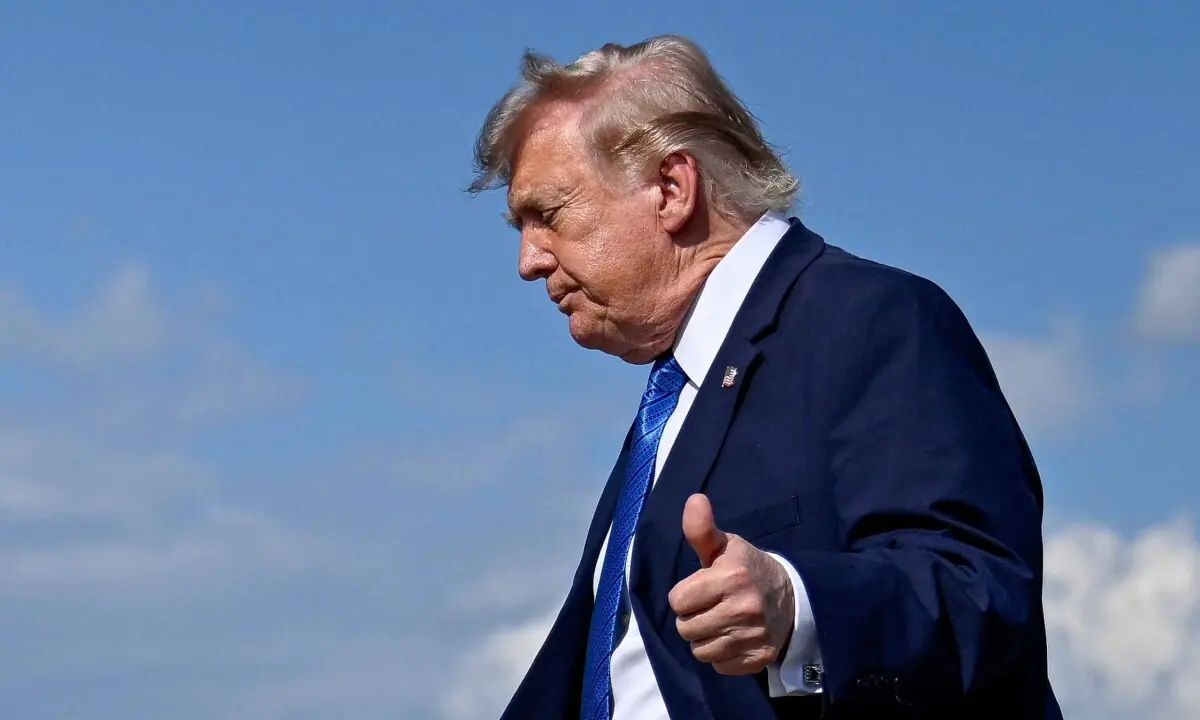
President Donald Trump stated on his Truth Social platform that the United States and Israel had agreed to hold off on new strikes on Iran provided that a deal to end the months-long conflict is reached rapidly. Trump said the United States was “locked and loaded and ready to go against the Islamic Republic of Iran,” but added that “we have just been asked by Iran, and other Middle Eastern Countries, to hold off any attack”. Based on this request, Trump agreed “to cancel the attack, subject to being able to rapidly make a DEAL”. The US president specified that the deal would have to include the “Immediate, Complete and Total OPENING OF THE HORMUZ STRAIT, and an end to Iran’s nuclear threat.” Trump added that “The Country of Israel joins me in this commitment”. [1] Multiple US news outlets had reported over the weekend that the president had authorised a fresh attack, with CBS News indicating that the US and Israel were planning a joint operation to destroy Iranian power plants and oil refineries. [5]
Iran Rejects Trump's Account
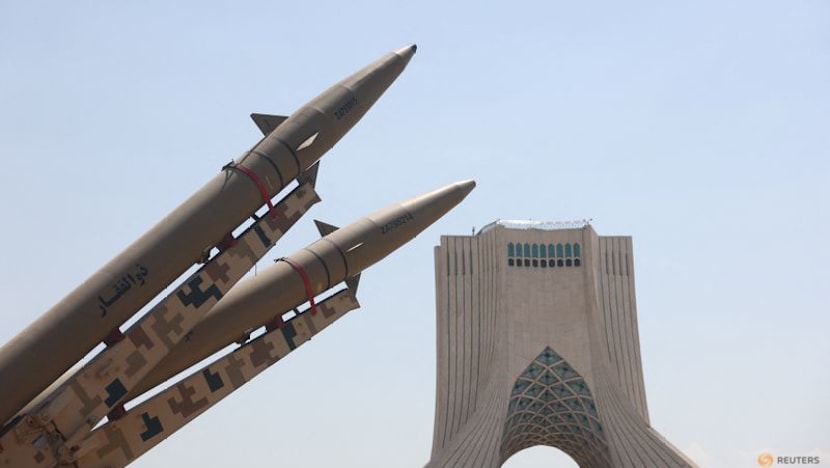
Iranian officials denied asking the US to refrain from strikes, calling Trump’s claim a lie, and said their military remains on high alert. Iran’s Mehr news agency, citing military officials, called Trump’s claim that Tehran asked him to refrain “nothing but a new lie” and said Iran’s military was “on high alert and ready for any eventuality”. [1] Iranian state media said Hormuz will remain closed “as long as the United States maintains its hostile actions”. Officials have also denied Trump’s claim that Iran requested the cancellation of the attack. [5]
Role of Regional Mediators
Trump stated the pause followed requests from Iran and other Middle Eastern countries after conversations with Saudi Arabia’s crown prince and mediators Pakistan and Turkey. A US official told Axios that Saudi Crown Prince Mohammed bin Salman “expressed concern” over potential US strikes in a call with Trump on Saturday. [5] Saudi Arabia’s official SPA press agency said Crown Prince Mohammed Bin Salman had a call with Trump where he “emphasised the necessity of prioritising dialogue to reduce tensions and the importance of exerting all possible efforts to achieve a truce that paves the way for diplomatic solutions”. [1] In a call with his Saudi counterpart on Saturday, Iran’s top diplomat Abbas Araghchi said Tehran would provide a “decisive and proportionate response” to any attack by the US or Israel. Iranian state media said the Saudi and Iranian foreign ministers held a call and that Tehran also spoke with Pakistan and Turkey, which have acted as mediators in the talks, about “the risk of escalating tensions and insecurity in the region”. [1]
Background on Five-Month Conflict
The conflict began on February 28 with US and Israeli strikes on Iran and has lasted more than five months, with a previous ceasefire that included reopening Hormuz falling through. After more than five months of war, which began on February 28 when the United States and Israel launched strikes on Tehran, a previous ceasefire deal with similar terms, including the reopening of the Strait of Hormuz, fell through. [1] In April, the USA with Iran negotiated a fragile ceasefire, after which the Trump administration claimed the war had ended. [3] The resumption of hostilities has caused global oil prices, which had dipped during the initial ceasefire, to rise once more. [1]
US Congressional and Military Context
US embassies warned citizens of possible unforeseen escalation, and concerns exist about depleted US munitions for defending against Iranian attacks. US embassies in capitals across the Middle East had warned their citizens on Saturday to beware of “unforeseen escalation” in the regional conflict and urged them to be ready to leave. [1] Concerns within the administration and the military over Iran’s response appear to have played a role in cancelling the attack. Multiple US officials briefed The Washington Post that the head of US European Command, Gen. Alexus Grynkewich, had warned the administration this week that his forces are no longer equipped to continue defending Israel. [5] The Trump administration has continued operations beyond War Powers Resolution timelines by reclassifying the conflict. [3]
Recent Incidents and Strait Control
Iran has maintained control over the Strait of Hormuz, requiring vessels to obtain permission and pay fees, causing a sharp drop in traffic, while global oil prices have risen again amid resumed hostilities. Iran has effectively maintained control over navigation through Hormuz since the outbreak of the war on February 28, requiring vessels to obtain permission and pay transit fees before using the waterway. Maritime trade tracking firm Kpler said Friday that traffic through the Hormuz strait has dropped sharply. [1] On Wednesday, a drone struck a US-owned gas vessel moored in an Egyptian port, causing a fire. Meanwhile, an “unknown projectile” struck a tanker off the coast of Oman, a British maritime agency said on Saturday. [1]
What to watch next: Lead mediators Pakistan and Qatar, along with other countries in the region, have pressed both sides to de-escalate but until now there has been no indication that negotiations could resume. The June memorandum of understanding fell apart last month, with Iran and the US accusing each other of violating its conditions. From mid-July, the two sides engaged in a new exchange of strikes. [5]