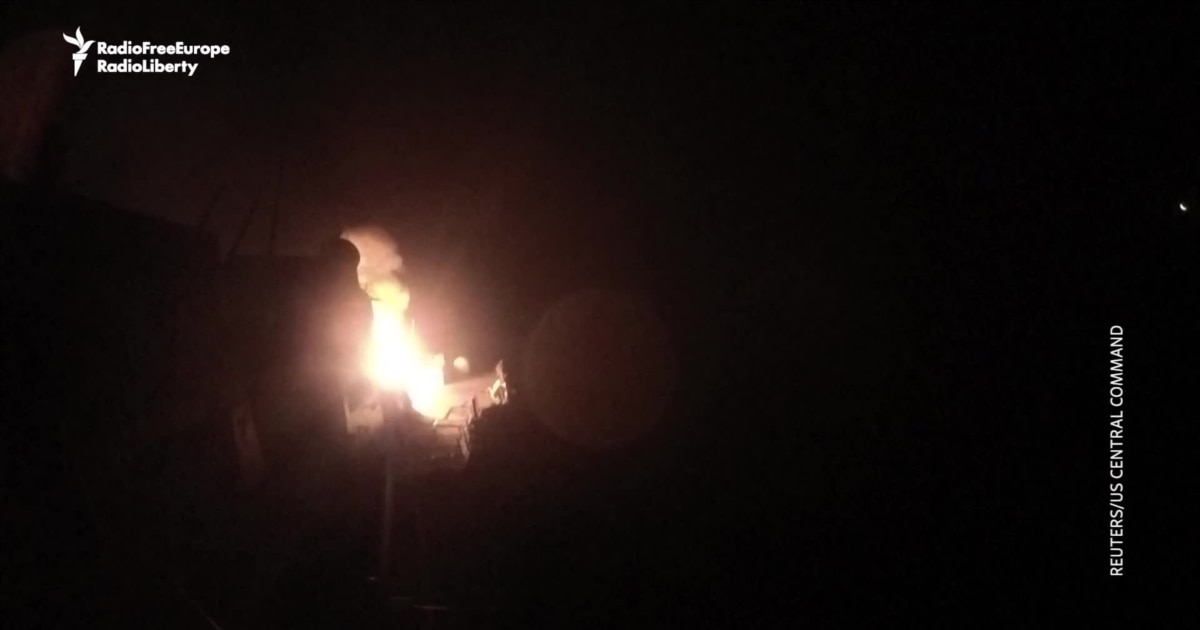

Trump Announces Strong US Strikes on Iran as Tehran Claims Strait of Hormuz Closure
Reporting based primarily on slobodnaevropa.org.
The United States and Iran exchanged attacks for a second consecutive night, with President Donald Trump announcing imminent strong strikes on Iran and Tehran claiming it had closed the Strait of Hormuz, raising fears over global oil supplies and the future of diplomacy. [1]
US Announces Further Strikes on Iran
President Donald Trump posted on Truth Social that the United States would strike Iran very strongly that night and threatened to seize Iranian oil infrastructure including Kharg Island. [1] The comments came at a time when the future of negotiations between Washington and Tehran hangs by a thread. [1] Trump told reporters on June 10 that the two sides had been really close to a deal but that Iran continued to string the United States along and make fools of them. [1] Fox News reported that Trump also warned that the United States could intensify military operations if Tehran did not agree to a framework agreement. [1] These latest statements followed repeated violations of the fragile April ceasefire. [1]
Iran Claims Closure of Strait of Hormuz
Iran stated it fully closed the Strait of Hormuz after US attacks, warning that any ships attempting passage would be targeted, and state media reported two vessels were attacked. [1] CENTCOM disputed this, saying commercial ships continue to transit the waterway that carries one-fifth of global oil and gas supplies. [1] Tehran issued the closure announcement after the latest round of American strikes. [1] Iranian state media later reported that two ships had come under attack in the strait. [1] CENTCOM maintained that commercial traffic had not stopped despite the Iranian claims. [1]
US and Iranian flags superimposed over map of Strait of Hormuz amid escalating conflict. — Source: iraninternational
Sequence of Attacks and Retaliation
US strikes targeted Iranian surveillance, communications, intelligence and air defense sites, described by CENTCOM as a response to unjustified Iranian aggression. [1] CENTCOM stated on X late on June 10 that the attacks responded to unjustified and continuous Iranian aggression and that American forces remained vigilant, lethal and ready. [1] Iran retaliated with missiles and drones against 18 US-linked sites including air bases in Kuwait and Bahrain. [1] The Islamic Revolutionary Guard Corps said it had struck 18 locations, including Ali Al Salem and Ahmed Al Jaber air bases in Kuwait as well as Sheikh Isa base in Bahrain. [1] Bahrain activated air raid sirens and urged residents to seek shelter. [1] Kuwait said its air defenses responded to incoming threats and later reopened its airspace after a temporary precautionary closure. [1]
Context of Prior Incidents and Ceasefire Violations
The escalation follows the loss of a US Apache helicopter near the Strait of Hormuz, which Trump blamed on Iran, and comes despite a fragile April ceasefire that has been repeatedly violated. [1] Earlier US strikes this week hit Iranian radar, air defense and command systems. [1] Trump indicated that additional military action remained possible. [1] The renewed clashes have heightened concerns over regional stability, energy supplies and the durability of diplomatic efforts that have continued even as the April ceasefire has been breached multiple times. [1]
International and Expert Reactions
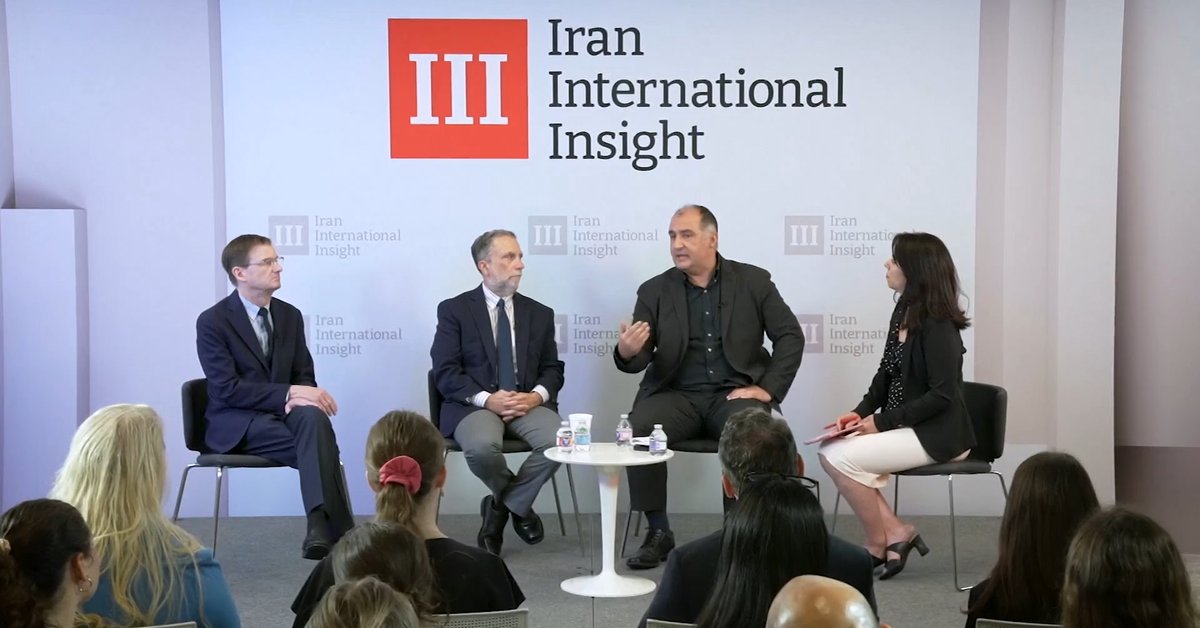
UN Secretary-General Antonio Guterres called for an immediate end to the conflict, warning the Middle East is being pulled deeper into crisis and that the ceasefire increasingly resembles reduced-intensity conflict rather than a true truce. [1] Guterres posted on X on June 11 that the week had brought an expansion of attacks and a worsening situation in which the ceasefire increasingly looks like reduced-intensity conflict rather than a genuine cessation of fire. [1] He added that there should be no more attacks and no more excuses. [1] Analysts describe the US approach as combining military pressure with diplomacy in a pattern of coercive diplomacy, while warning that any deal may not resolve the underlying threat from the Iranian regime. [1] Jason Brodsky, director of public policy at United Against Nuclear Iran, said the combination of significant economic and military pressure on the Iranian regime is a particular feature of the Trump administration’s approach. [1] Brodsky told Radio Free Europe that the latest operation follows a familiar pattern in Trump’s dealings with Tehran, in which the president sets conditions, sometimes imposes a deadline, and launches strikes if Tehran delays. [1] Max Meizlish, a researcher at the Foundation for Defense of Democracies Center on Economic and Financial Power, said President Trump is trying to force Iran to make a strategic choice between quick agreement or facing stronger military pressure. [1] Meizlish warned that even if Tehran signs an agreement the same regime will remain in power with strong incentives to rearm and rely on its allies once immediate pressure eases. [1] Experts told Iran International’s townhall in Washington DC that the Middle East may be entering a period in which ceasefires no longer end wars but manage them, as the warring sides trade limited strikes below the threshold of an all-out war. [2]
Ongoing Diplomatic Efforts Amid Escalation
Qatari mediators traveled to Tehran after consultations with Washington to encourage negotiations. [1] The latest clashes have nevertheless raised new questions about whether diplomacy can keep pace with military developments that are increasingly shaping the conflict. [1]
What to watch next: Continued diplomatic contacts involving Qatari mediators in Tehran and questions over whether any agreement will address the core threat posed by the Iranian regime. [1]