
US Stockpile Concerns Prompt Pause in Iran Conflict as Houthis Strike Saudi Oil Sites
The United States has paused strikes on Iran after nearly two weeks of consecutive nightly attacks in the Iran conflict now nearing its fifth month, with Iranian officials stating they have halted retaliatory operations in response while concerns grow over dwindling US munitions stockpiles.
US Decision to Pause Strikes on Iran
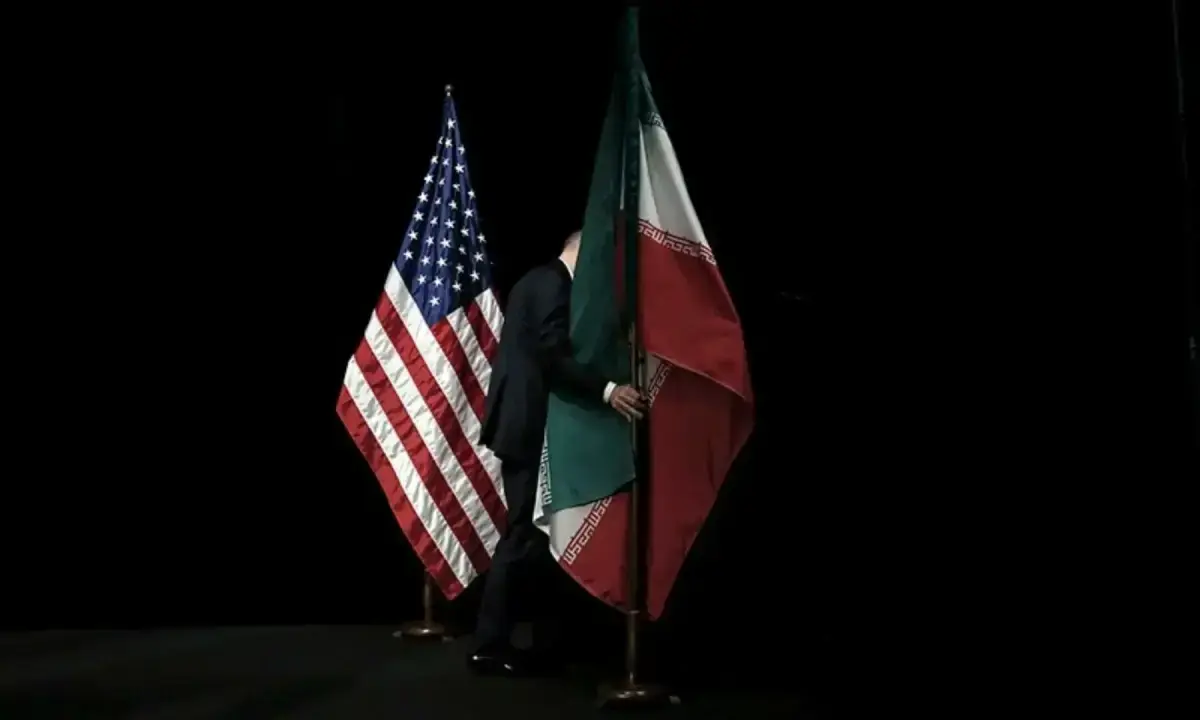
The US military did not announce new strikes against Iran on Friday and Saturday after attacking the country for 13 straight nights. [2] CNN reported that Department of War officials disclosed on Saturday that operations are “on hold.” [2] Axios also reported that President Donald Trump had directed the US military not to conduct new strikes in Iran for now. [2] It is unclear if the suspension of strikes is only temporary, as Mr Trump has also directed the military to remain prepared for a possible return to major combat. [2] Some American media reported that the pause was because of the defence department’s concern that the US was running out of interceptor missiles to stop Iran’s missile and drone attacks on US interests in the Middle East. [2] The US decision to pause its strikes on Iran came amid concern that escalating the war could “dangerously drain” the Pentagon’s diminishing military stockpile in the region. [2] Vice President JD Vance and Chairman of the Joint Chiefs of Staff, Dan Caine, both raised concerns that ratcheting up the war could drain the US’s diminishing stockpile of interceptors and other air defence munitions in the Middle East. [2] Plans to escalate the campaign have been shelved in part because of those shrinking supplies, The New York Times reported, citing two people briefed on the matter. [3] Vice President JD Vance and top US general Dan Caine both raised concerns about escalation at a White House meeting on Friday, CNN reported. [3] Caine told Trump the military could carry out the options available to him successfully but warned of the possible implications, according to the network. [3] Trump said on Friday he had not decided whether to return to an all-out operation. [3] “We’re talking to them right now. I think they’re getting more and more serious,” he told journalists. [3] Trump said Iran faced a choice between a deal and strikes at a “much higher level”. [3] The Pentagon had presented Trump with a plan for a 14th night of strikes, but he declined to authorise it in favour of a push for talks, Axios reported. [3]
Iran's Retaliatory Halt and Warnings

US military pauses strikes on Iran amid concerns over dwindling munitions stockpiles. — Source: premiumtimes Iran said on Sunday it has halted retaliatory attacks against US allies in the Middle East after Washington stopped its strikes on the country for the past two nights. [3] “These attacks continued until two nights ago, but over the past two nights the Americans have stopped their attacks,” said army spokesman Mohammad Akraminia. [3] “Since… our strategy has essentially been retaliatory, we have also halted our retaliatory operations.” [3] The Iranian army also attributed the pause to the US failure to achieve its goals “in the Strait of Hormuz and in weakening Iran.” [2] “The situation is chaotic and undesirable for America,” the army’s spokesperson, Abolfazl Shekarchi, said. [2] According to Al Jazeera, Mr Shekarchi said the pause could be a “new strategy” and that the possibility of Washington withdrawing from the war was “conditional on the Zionists’ permission.” [2] Iran’s army warned on Sunday that the war would widen even further if the US chose to restart its attacks, ahead of a visit by Israeli Prime Minister Benjamin Netanyahu to Washington on Tuesday. [3] “I believe that if the Americans once again fall for the Zionists' deception, or move in line with them, and insist on continuing the war, particularly through air strikes, geographically this will expand further,” army spokesman Mohammad Akraminia told state television. [5]
Strait of Hormuz as Central Flashpoint
Fighting over the strategic Strait of Hormuz derailed diplomatic efforts between Washington and Tehran, but the conflict then expanded beyond the vital energy corridor to include attacks on US bases, regional shipping and Gulf allies. [3] On Sunday, Iran’s armed forces stopped six vessels attempting to transit the Hormuz Strait over the past 24 hours after warnings, according to state television. [3] Tehran’s effective blockade of the waterway remains the central flashpoint with Washington. [3] Iran said on Sunday it had made progress in talks with neighbouring Oman on “common principles and operational mechanisms” for shipping in the Strait. [3] Iran’s foreign ministry spokesman Esmaeil Baghaei said the talks were useful, “progress was made,” and that “technical and political consultations” between the two are still ongoing. [2] In June, Oman and Iran said they would discuss imposing service fees, a move Washington opposes, but Muscat also said ships could transit Hormuz via its waters, angering Tehran. [3] The Iranian parliament has also begun reviewing a draft law on the management of the Strait of Hormuz, along with the judicial, economic and civil sub-committees. [2] Iran’s Revolutionary Guards said they had stopped four ships attempting to transit the Strait of Hormuz in 24 hours. [5]
Expansion to Houthi-Saudi Front
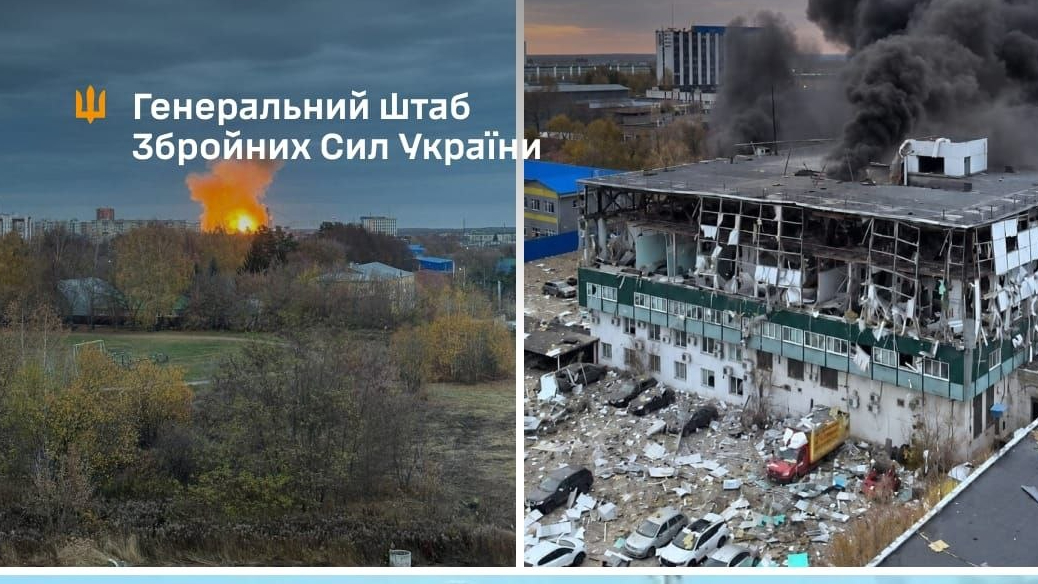
US military pauses strikes on Iran amid concerns over dwindling munitions stockpiles. — Source: dawn On Saturday, Yemen’s rebel group, the Houthis, fired missiles and drones at Aramco-affiliated facilities in Jizan and Yanbu, two of Saudi Arabia’s most strategically important oil facilities on the Red Sea. [2] The Iranian-backed group said its strikes were retaliation for Saudi attacks on Hodeida, Yemen’s port city on the Red Sea coast. [2] “The first targeted sensitive Aramco-affiliated facilities in Jizan with dozens of ballistic missiles and drones,” the militant group’s spokesperson, Yahya Saree, said in a post on X. [2] He added that “The second operation targeted sensitive Aramco-affiliated facilities in Yanbu with several ballistic missiles.” [2] Houthi rebels on Sunday said they downed a Saudi drone over the northwest of Yemen, a day after the Yemeni group claimed it attacked oil facilities in the Gulf kingdom. [3] A day earlier, the Houthis had said they struck Saudi Aramco sites in Jizan and Yanbu, after Riyadh bombed Houthi targets on Friday. [3] A surface-to-air battery operated by Greek personnel in Saudi Arabia downed two ballistic missiles and a drone over Yanbu, the Greek air force media office said. [3] Foreign Minister Abbas Araghchi said Iran could not be blamed for the escalation and offered to broker talks between the Houthis and Riyadh, saying “there is no military solution”. [3]
Ukraine-Iran Clash Over Caspian Attack and Russian Intelligence
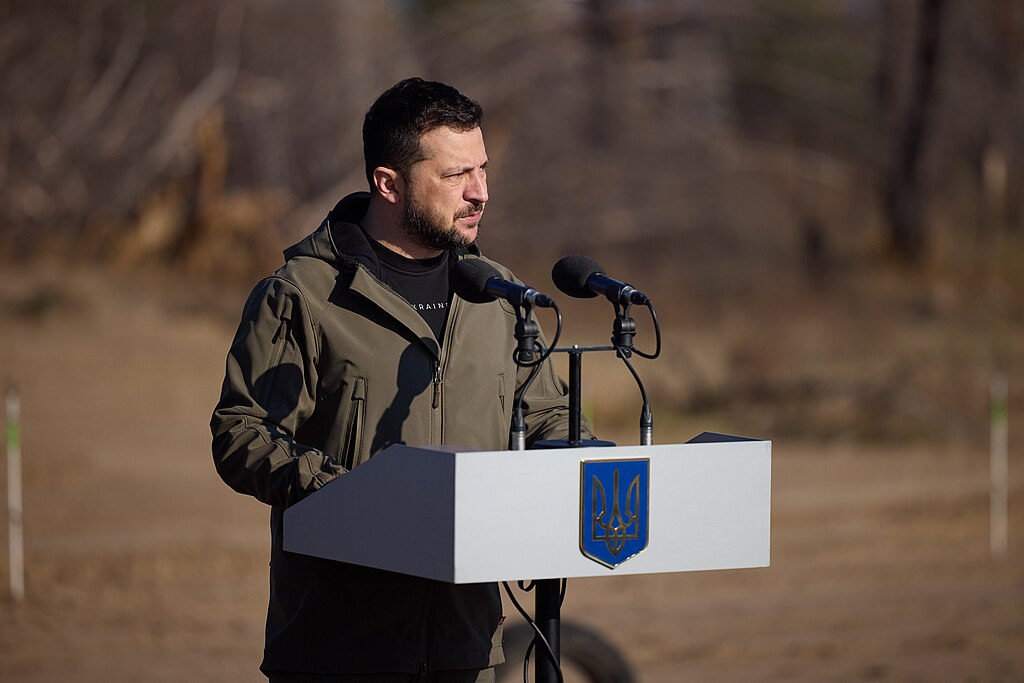
Iran condemned Ukraine on Saturday over an alleged attack on an Iranian commercial vessel in the Caspian Sea, saying the incident triggered an explosion that killed one sailor and injured another, further escalating tensions linked to the ongoing Russia-Ukraine war. [1] In a statement, Iran's Foreign Ministry described the strike as an act of aggression against a civilian vessel and vowed to protect the country's national interests and security. [1] Tehran also accused Kyiv of attempting to broaden the conflict beyond Ukraine's borders. [1] Separately, Iran’s Foreign Ministry accused Ukraine of attacking an Iranian commercial vessel in the Caspian Sea, saying one sailor was killed and another wounded. [5] The ministry summoned Ukraine's chargé d'affaires in Tehran to protest over an attack it described as "hostile and criminal", state news agency IRNA said. [5] The Iranian denunciation coincided with comments by Ukrainian President Volodymyr Zelensky that Kyiv had noted reports that Russia was passing on to Iran its satellite observations in the Middle East, to enable it to direct strikes in the region. [5] In recent years, Kyiv has also offered its drone interception expertise to Middle Eastern countries that have faced strikes involving Iranian weapons. [1] In a later post on X, the Ukrainian leader said Kyiv had documented “active Russian satellite surveillance” of Gulf nations and U.S. military facilities beginning in early July. [1] According to Zelenskiy, the intelligence gathered by Russian satellites was later used by Iran to plan and assess regional attacks. [1] He argued there was a “clear correlation” between Russian satellite imagery and Iranian military operations, claiming the surveillance occurred both before strikes to assist planning and afterward to evaluate damage. [1] Zelenskiy added that Russian satellite monitoring on July 19 and July 20 focused on four military air bases across the Middle East, including two in Bahrain, one in Jordan, and one in Kuwait. [1]
Broader Context and Prospects for Talks
The war that Trump once predicted would last four or five weeks is now nearing its fifth month, and is weighing on the Republican’s approval ratings ahead of crucial US midterm elections in November. [3] The lull has revived hopes of a return to negotiations after nearly two weeks of consecutive nightly US bombardments, although US media reported the pause could also reflect pressure on stockpiles of Patriot interceptors and other defensive weapons. [3] US operations against Iran were “on a hold”, CNN reported, quoting an unidentified Pentagon source, even as US President Donald Trump threatened a “much higher level” of strikes on Friday. [3] Trump also faces the risk of a wider Middle East war, the estrangement of vulnerable Gulf allies and further shocks to the global economy, the newspaper said. [3] On Sunday, locals in Iranian capital Tehran carried on with a normal morning, dealing with heavy traffic jams on their way to work, an AFP journalist said. [3] Shops and restaurants were open as usual as the city suffered a heatwave. [3]
What to watch next: Iran’s army warned that restarting US attacks would widen the war further ahead of Netanyahu’s Washington visit on Tuesday, while talks with Oman on shipping principles in the Strait of Hormuz continue and the Iranian parliament reviews management law for the waterway.