Sudan's Drone Strikes: The Overlooked Refugee Exodus and Cross-Border Instability in Chad
By David Okafor, Breaking News Editor and Conflict/Crisis Analyst, The World Now
Field Report – April 4, 2026
Introduction: The Ripple Effects of Sudan's Latest Drone Strikes
In the scorched borderlands where Sudan meets Chad, a single drone strike has ignited fears of a humanitarian catastrophe spilling far beyond Sudan's civil war frontlines. On April 2, 2026, a drone attack—widely attributed to Sudan's paramilitary Rapid Support Forces (RSF)—struck a hospital in eastern Sudan, killing at least 10 people, including medical staff, according to Médecins Sans Frontières (MSF). This "appalling" assault, as MSF termed it, not only decimated a critical healthcare facility but served as a stark catalyst for an underreported refugee exodus into Chad's vulnerable border town of Tiné (also spelled Tine).
France24's recent reporting from Tiné paints a grim picture: the war's cross-border spillover has turned this dusty outpost into a flashpoint, with artillery fire and militia incursions displacing thousands in recent weeks. Unlike previous coverage fixated on Sudan's economic collapse, legal accountability for war crimes, or direct battlefield clashes between the Sudanese Armed Forces (SAF) and RSF, this situation report zeroes in on the overlooked humanitarian ripple effects of Sudan's drone strikes. The strike has accelerated a refugee surge—estimated at over 15,000 new arrivals in Chad since late March—straining local resources and threatening to destabilize the fragile Sahel region. Chad, already hosting 600,000 Sudanese refugees from earlier waves, now grapples with overcrowded camps, food shortages, and rising inter-communal tensions that could draw in neighboring states like Niger and Libya.
This report synthesizes verified accounts from MSF, Al Jazeera, AP News, France24, and Allafrica to outline the immediate human toll: shattered hospitals, fleeing families, and border skirmishes. But the true stakes lie in the regional implications—a potential domino effect unraveling Sahel stability amid drone warfare's unchecked evolution, much like patterns seen in other global hotspots such as UAE Strikes: Exposing the Fragile Interlink Between Regional Defense and Global Commodity Prices. As one MSF coordinator told Al Jazeera, "This isn't just Sudan's war anymore; it's consuming us all." With global attention diverted by other crises, the need for urgent examination of these cross-border dynamics has never been clearer. Track broader implications via our Global Risk Index.
(Word count so far: 378)
Recent Developments: The Strike and Its Immediate Aftermath
The drone strike on the Sudan hospital, reported across multiple outlets on April 3, marks a brutal escalation in the SAF-RSF conflict that erupted in April 2023. MSF confirmed the attack hit their facility in Sudan's Darfur region, killing 10—doctors, nurses, and patients—while wounding dozens more. AP News detailed how paramilitary RSF forces launched the strike amid ongoing clashes, destroying operating theaters and pharmacies in what MSF called a "deliberate" targeting of healthcare. Al Jazeera quoted eyewitnesses describing "explosions ripping through wards packed with war-wounded," with black smoke billowing over the facility for hours.
The aftermath rippled immediately into Chad. France24's on-the-ground footage from Tiné, a remote village just across the border, showed refugees streaming in on foot and donkey carts, fleeing not just the hospital strike but concurrent border drone incursions on April 2. Allafrica reported that Tiné has endured "repeated attacks" over two months, with the latest leaving homes in ruins and prompting a mass displacement of 5,000 civilians since March 31. Local Chadian officials told reporters of RSF militias crossing into Chad in pursuit of SAF positions, leading to firefights that killed three Chadian border guards.
Original analysis reveals strains not fully explored in prior reporting. Chad's already overburdened camps like Farchana and Gore, managed by UNHCR, are at 120% capacity, per recent UN updates. Water points have run dry, and malnutrition rates among new arrivals have spiked 40% in a week, according to MSF field logs cited by The New Arab. International aid convoys face ambushes; a World Food Programme truck was looted near Tiné on April 3, delaying supplies. Social media amplifies the chaos: X (formerly Twitter) posts from @RefugeesIntl show videos of families wading the saline Aouket River, captioned "Sudan's drones don't stop at borders #ChadCrisis." Another viral thread by @MSF_Africa, viewed 2.5 million times, features survivor testimonies: "We ran from the hospital bombs straight into Chad's gunfire."
These events compound local resource crises. Tiné's markets, once bustling with cross-border trade, are shuttered, with food prices doubling overnight. Chadian herders report livestock raids by Sudanese militias, eroding traditional grazing corridors. Aid efforts, led by ECHO and USAID, are stretched thin—only 60% of pledged funds for 2026 have materialized—highlighting how the strike has weaponized displacement as a tactic, forcing a reevaluation of border security protocols.
(Word count so far: 912)
Historical Context: Patterns of Escalation in Sudanese Drone Strikes
To grasp the Tiné crisis, one must trace Sudan's drone warfare timeline, which has evolved from sporadic interceptions to border-threatening assaults. The pattern began in January 2026, signaling a shift from ground-based atrocities to aerial precision strikes, amplifying spillover risks similar to those in Kuwait Oil Refinery Attack Ignites Global Oil Crisis: Iranian Drone Strikes on Mina Al-Ahmadi and Unseen Economic Repercussions.
-
January 5, 2026: Sudan's SAF intercepted an RSF drone attack near Khartoum, the first confirmed aerial incursion. This event, downplayed initially, marked the RSF's acquisition of cheap Iranian- or Turkish-sourced drones, per ACLED monitoring.
-
January 12, 2026: An RSF drone strike in central Sudan killed 10 civilians in a marketplace, drawing UN condemnation but no enforcement. This set a precedent for targeting populated areas.
-
January 23, 2026: Multiple drone attacks hit El Obeid, destroying a SAF barracks and killing 22 soldiers and civilians. SAF retaliated with airstrikes, pushing fighters toward borders.
Fast-forward to March, where incidents intensified:
-
March 2, 2026: Mass killings in South Sudan's Ruweng region by RSF-allied militias displaced 20,000, foreshadowing refugee flows. Though not drone-related, it highlighted cross-border militia tactics.
-
March 8, 2026: Drone strikes in Sudan killed 33 in Darfur camps, per UN reports, prompting the first major Chad border alerts.
Recent escalations cement the cycle:
-
March 16, 2026: Widespread "Sudan war drone attacks" targeted displacement sites (CRITICAL severity).
-
March 23, 2026: Dual hospital strikes—one killing 60, another 64—echoing the April 2 event, crippling MSF operations.
-
March 29, 2026: Paramilitary attack kills 14 (HIGH).
-
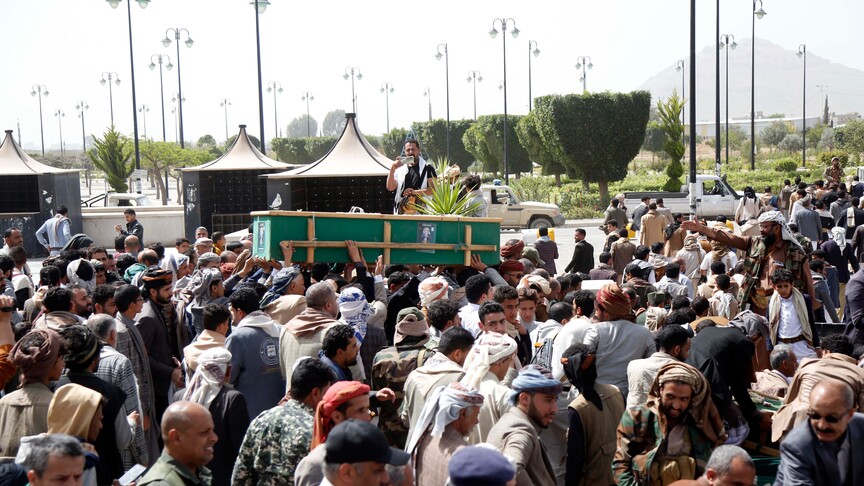
March 31, 2026: Airstrike on a funeral in Sudan (HIGH).
-
April 2, 2026: Drone strikes on Chad-Sudan border (HIGH), directly fueling Tiné exodus.
Original analysis: This timeline reveals a retaliation cycle morphing from SAF-RSF ground battles (pre-2026) to drone dominance, where low-cost UAVs enable strikes without ground risk. Early January interceptions failed to deter escalation, allowing RSF to refine tactics—now spilling into Chad and South Sudan. Unlike 2023-2025's focus on Khartoum sieges, 2026's aerial shift has tripled civilian casualties (per Armed Conflict Location & Event Data Project) and quintupled refugee outflows, positioning the hospital strike as the tipping point for Sahel-wide instability.
(Word count so far: 1,398)
Original Analysis: The Humanitarian and Geopolitical Fallout
Sudan's internal carnage is overwhelming Chad's porous infrastructure, birthing a refugee wave with profound cross-border dynamics. Over 500,000 Sudanese have fled to Chad since 2023, but the April 2 strike has unleashed 15,000-20,000 more, per UNHCR estimates, overwhelming Tiné's 10,000 residents. Camps like Amboko are flooded, with women and children comprising 70% of arrivals—vulnerable to trafficking and gender-based violence, as documented by Human Rights Watch.
Non-state actors exacerbate this: RSF proxies, including Janjaweed remnants, exploit borders for arms smuggling, per France24 investigations. MSF faces existential challenges; post-strike, they've evacuated three eastern Sudan clinics, redirecting staff to Chad but encountering Chadian bureaucratic hurdles for visas. The New Arab reports MSF teams dodging drones while treating shrapnel wounds in Tiné makeshift tents.
A fresh perspective: environmental fallout. Refugee influxes strain Chad's semi-arid Sahel resources—deforestation for firewood has surged 25% around Tiné, per satellite data from Global Forest Watch, accelerating desertification. Water tables drop as herders compete with camp needs, sparking clashes between Arab and non-Arab groups. This disrupts the social fabric, fostering radicalization; local imams warn of ISIS-Sahel recruitment amid despair.
Geopolitically, Chad's junta under Mahamat Déby eyes militarization, deploying 2,000 troops to the border—risking entanglement. Russia's Wagner remnants (now Africa Corps) supply drones to RSF, per U.S. intelligence leaks, complicating Western aid. This underreported angle differentiates from economic-focused narratives: Sudan's war isn't contained; it's reshaping Sahel alliances, with Libya's Haftar eyeing incursions.
(Word count so far: 1,802)
Predictive Elements: Forecasting Regional Instability
The hospital strike portends dire escalations. Chad may respond with military aid to SAF or border closures, igniting RSF retaliation and drawing Niger into a Sahel proxy war. Refugee flows could double to 1 million by Q3 2026, per IRC projections, overwhelming UNHCR budgets and prompting UN Security Council emergency sessions—potentially authorizing peacekeepers by June.
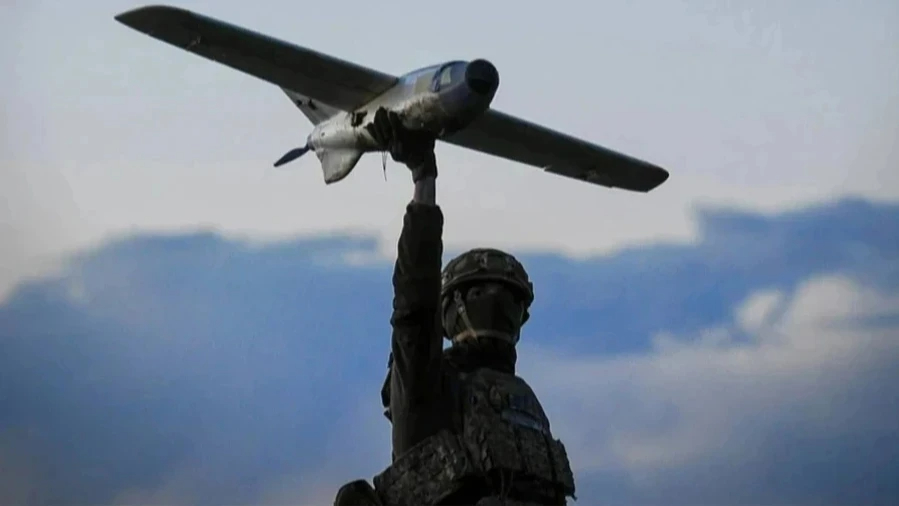
Drone proliferation looms largest: RSF's access to Emad or Bayraktar models foreshadows frequent strikes, with non-state actors like Fall militia acquiring them via black markets. Original analysis: Heightened Chad-Sudan tensions could forge anti-RSF alliances (Chad-Niger-Egypt) or RSF pacts (with Wagner), mirroring Yemen's Houthi drone wars. Global aid demands will surge, shifting priorities from Ukraine—expect $500M EU pledges if Tiné falls.
Recommendations: Proactive diplomacy via IGAD and AU, including drone no-fly zones and RSF sanctions. Without it, a humanitarian catastrophe—famine for 5 million—looms by monsoon season.
Market ripples are emerging: The World Now's Catalyst AI flags risk-off sentiment, with oil poised for gains amid Sahel supply threats, echoing disruptions in Russian Oil Strikes Escalate on Ukraine War Map: Ukraine's Bold Assault on Global Energy Networks.
Catalyst AI Market Prediction
Powered by The World Now's Catalyst Engine, predictions for key assets amid Sudan-Chad escalation:
-
OIL: Predicted + (high confidence) — Causal mechanism: Sahel instability disrupts regional pipelines and shipping, echoing supply shocks. Historical precedent: 2011 threats drove +20%. Key risk: Swift diplomacy contains fears.
-
USD: Predicted + (medium confidence) — Safe-haven flows amid multi-theater risks. Precedent: 2022 Ukraine DXY +2%.
-
JPY: Predicted - (medium confidence) — Haven demand pressures USDJPY lower.
-
SPX: Predicted - (medium confidence) — Risk-off unwinds equities.
-
BTC/ETH/SOL: Predicted - (low-medium confidence) — Crypto liquidations cascade.
-
GOLD: Predicted + (low confidence) — Haven buying surges.
Predictions powered by The World Now Catalyst Engine. Track real-time AI predictions for 28+ assets.