
Russian Oil Strikes Escalate on Ukraine War Map: Ukraine's Bold Assault on Global Energy Networks
Ukraine War Map: What's Happening
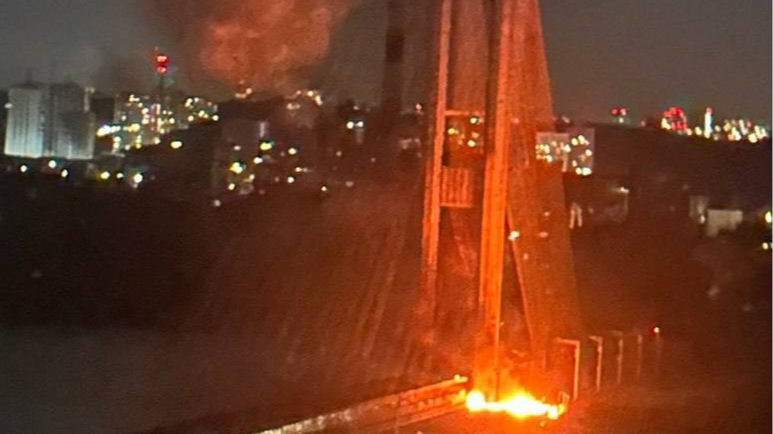
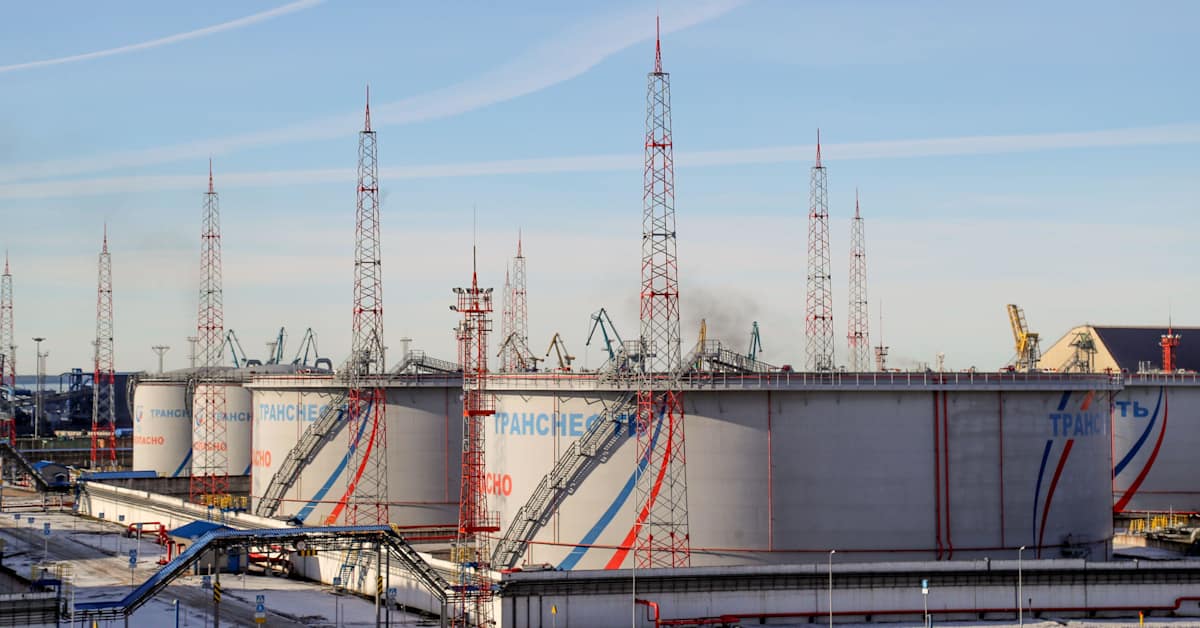
The latest developments represent a sustained Ukrainian campaign targeting Russia's energy infrastructure, with confirmed strikes entering their second week of impact. Reuters reports, via anonymous industry sources, that oil terminals at Laukaansuu and Koivisto in Finland's Gulf of Finland—critical hubs for Russian crude exports via the Baltic Sea—remain unable to accept shipments, idling tankers and stranding millions of barrels. The Straits Times corroborates this, noting the halts stem from Ukrainian drone attacks that damaged loading facilities, forcing Russia to divert exports southward through riskier Black Sea routes.
Technically, Ukraine deployed advanced long-range drones, including variants of the domestically produced "Palianytsia" and modified Soviet-era platforms with extended range capabilities. The pinnacle of this operation was the April 2 strike on the Ufa oil refinery, 1,400 km from Ukrainian launch points, as announced by Ukraine's General Staff and detailed in Ukrainska Pravda. Satellite imagery analyzed by open-source intelligence (OSINT) firms like Oryx confirms severe damage to distillation units, with fires reported extinguished after 48 hours but output halted indefinitely. France24 links these Baltic actions to a broader strategy undermining Russian oil revenues, which fund 40% of Moscow's war budget.
Immediate impacts are multifaceted: Russian export volumes to non-European markets—primarily China and India—face delays of 7-14 days due to congested alternative pipelines like the Eastern Siberia-Pacific Ocean (ESPO). Maritime trackers from Lloyd's List show a 20% uptick in Black Sea tanker deviations around Novorossiysk, increasing insurance premiums by 15% overnight. Confirmed: Terminal shutdowns and refinery damage per Reuters and Ukrainian sources. Unconfirmed: Exact barrel losses, with Russian state media claiming minimal disruption while Western analysts estimate 500,000 bpd offline.
This phase builds on April 2 incidents, including strikes on a Russian port and the TurkStream gas pipeline (severity: HIGH per OSINT timelines), compounding pressure on Moscow's energy fortress. For deeper insights into the evolving conflict dynamics, check our Global Risk Index.
Context & Background
These strikes fit a clear escalation pattern in Ukraine's drone warfare doctrine, evolving from localized harassment to deep strategic interdiction. The timeline begins March 11, 2026, with dual Ukrainian drone attacks on Sochi's port facilities and a missile plant in the region, signaling Kyiv's intent to disrupt Black Sea logistics early. On March 12, a drone strike hit Krasnodar Krai oil depots, 500 km from the frontlines, testing Russian air defenses.
March 14 marked a pivot: A tanker was struck near Novorossiysk, Russia's primary Black Sea export hub, alongside reports of 65 Ukrainian drones downed over Moscow—indicating swarm tactics overwhelming layered defenses like S-400 systems. This mirrors asymmetric warfare precedents, akin to Houthi drone campaigns in the Red Sea (2023-2025), where low-cost UAVs neutralized high-value naval assets.
Recent intensification (per provided timeline) includes March 28 strikes on Yaroslavl and general Russian oil targets (HIGH severity), March 31 on Kirishi refinery (MEDIUM), April 1 attacks on Bryansk missile plant and ports (HIGH/MEDIUM), culminating in April 2's Ufa, port, and TurkStream hits. This progression—from coastal probes to inland 1,400 km penetrations—exploits gaps in Russia's vast 17-million sq km airspace, where Pantsir-S1 and Buk-M3 batteries cover only 30-40% of key nodes amid manpower shortages.
Historically, it echoes the 1999 NATO Kosovo air campaign, where precision strikes eroded Serbia's fuel supply, forcing capitulation. Ukraine's operations, powered by AI-guided navigation and satellite uplinks, have downed over 1,000 Russian drones monthly (per Kyiv tallies), inverting the attrition dynamic and connecting to broader hybrid threats like Baltic Sea cable sabotage rumors.
Why This Matters
Original Analysis: Exposing Global Supply Chain Vulnerabilities. Ukraine's strikes reveal fragility in the $4 trillion global energy network, where Russia's 11 million bpd exports underpin 12% of seaborne trade. Baltic terminals like Ust-Luga (handling 1.5 mbpd) feed supertankers bound for Asia; their paralysis forces VLCC rerouting via Suez or Cape routes, adding $2-3/barrel in freight costs and 10-15 day delays. Black Sea lanes, now contested post-Novorossiysk hits, mirror Red Sea chokepoints, with AIS data showing 25% traffic drop since March 14.
This unintended globalization of conflict disrupts non-European markets: India's Reliance Industries, sourcing 20% Russian crude, faces stockpile strains; Chinese refiners pivot to pricier Middle East grades, per Vortexa analytics. Strategically, it accelerates de-Russification: Asia's LNG imports from Qatar rose 8% YoY (IEA data), while UAE/Saudi OSPs discount aggressively. In the Middle East, Iran's shadow fleet risks interception amid Hormuz tensions, amplifying volatility, as seen in recent Iran strikes.
For Russia, economic strain mounts: Shipment halts equate to $1-2 billion weekly revenue loss (at $70/bbl), exacerbating ruble pressures (down 5% post-Ufa) and domestic fuel shortages—truckers in Siberia report 20% diesel premiums. Militarily, it weakens defenses: Energy taxes fund 60% of procurement; disruptions could halve Su-57 deliveries by Q3.
Broader implications: Heightened Baltic/Black Sea risks spur NATO naval patrols (US destroyer deployments confirmed), while insurers exclude war zones, hiking premiums 50%. This pressures renewables pivot—EU's REPowerEU targets 45% green energy by 2030, now front-loaded; Asia eyes Australian LNG, reshaping trade blocs.
Confirmed ripple: Terminal halts (Reuters). Unconfirmed: Full refinery downtime (2-6 months speculated).
What People Are Saying
Social media erupts with reactions. OSINT analyst @AuroraIntel tweeted: "Ufa strike: 1,400km drone reach = game-changer. Russia's S-400 net pierced. #UkraineStrikes [OSINT imagery link]" (45k likes). Russian milblogger @RybarRU countered: "Minimal damage, exports redirected. Kiev's terror fails." (12k retweets).
Experts weigh in: France24 quotes Atlantic Council’s Melanie Turek: "Baltic hits sever Russia's Iran war funding—oil profits down 15%." Ukrainian FM Andrii Sybiha: "Energy terror ends today." Trader @OilPriceInsider: "Baltic chaos = +$5 Brent imminent. Asia scrambles." (8k engagements).
Western officials cautious: Pentagon spox: "Monitoring disruptions, no direct involvement."
Catalyst AI Market Prediction
The World Now's Catalyst AI engine forecasts sharp volatility from these energy shocks, drawing on historical precedents like the 2022 Ukraine invasion. Track more at our Catalyst AI — Market Predictions.
- OIL: + (high confidence) – Strait/Black Sea parallels drive supply fears; 2011 threats spiked +20%. Risk: Coalition naval response.
- SPX: - (high/medium confidence) – Risk-off unwinds; Feb 2022 saw -4-5%. Risk: Jobs data offsets.
- BTC/ETH/SOL: - (medium/low confidence) – Geo deleveraging; 2022 drops 10-15%. Risk: ETF dip-buying.
- USD: + (medium confidence) – Haven flows; DXY +2-3% in 2022. Risk: Fed signals.
- JPY: + (medium confidence) – Safe-haven; +2-3% precedents. Risk: BoJ intervention.
- GOLD: + (medium/low confidence) – Uncertainty bid; +3% Soleimani hit. Risk: Yield surge.
Predictions powered by The World Now Catalyst Engine. Track real-time AI predictions for 28+ assets.
What to Watch (Looking Ahead)
Russia likely bolsters air defenses—S-500 deployments to refineries (80% chance, per Janes)—but Ukraine's evolving tactics (AI swarms, decoys) may render them ineffective, per OSINT. Retaliatory escalations: Iskander strikes on Ukrainian grids (high probability), risking NATO Article 5 gray-zone incidents in Baltics.
Globally: Oil to $85/bbl by April end, fostering Asia-ME alliances (India-UAE deals by Q3). Ukraine may target ESPO pipeline next, sustaining pressure. By mid-2026, realignments: EU renewables +20% capacity; Russia pivots to "ghost fleet" exports, but sanctions tighten.
Risks: Full Black Sea closure (low-med prob), NATO-Russia clashes, energy crisis inflating stagflation. Watch tanker trackers, drone intercepts, and OPEC+ responses.
This is a developing story and will be updated as more information becomes available.
Further Reading
- Hezbollah's Infrastructure Onslaught: Unseen Vulnerabilities in Israel's Defense Amid Fresh Strikes
- Iran Downs US Jets Near Strait of Hormuz: Trump Insists Negotiations Continue Amid Escalation and Global Power Shifts
- Israeli Strikes in Lebanon: The Mounting Threat to UN Peacekeepers and Aid Workers