Sudan Conflict Brings Imminent Atrocity Risk to El Obeid as RSF Bombards Infrastructure
Human Rights Watch has warned of imminent atrocities in and around El Obeid in Sudan as the Rapid Support Forces intensify bombardment of the city, echoing patterns seen before the RSF takeover of El Fasher amid the Sudan conflict.
Escalating Bombardment of El Obeid
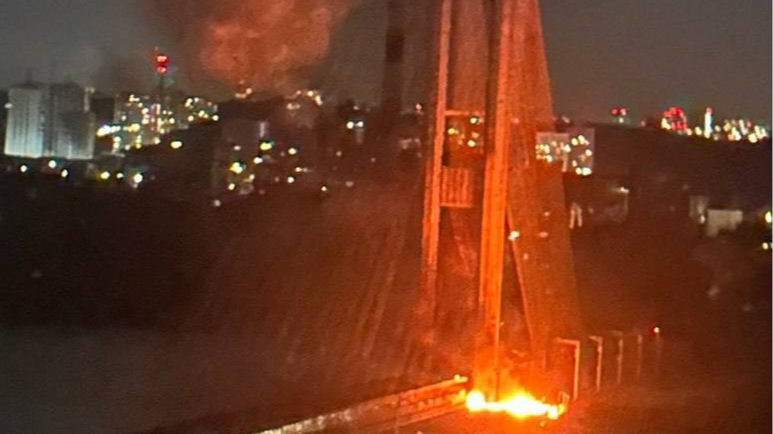
RSF drone strikes have targeted critical infrastructure in El Obeid including power substations, water facilities, petrol stations, oil tankers, markets and fuel depots, causing widespread outages, water shortages and sharp rises in food and fuel prices. [3] On 18 June, RSF drones targeted al-Abyad power substation, which serves as the primary electricity hub for El Obeid, causing significant damage and resulting in power outages across the city. [3] This blackout exacerbated existing crises, disrupting water supplies and forcing many hospitals to shut down. [3] RSF drones were attacking the city at a rate of two to six strikes per day until the middle of the week referenced in reports, targeting vital centres and the necessities of life including the army command, combat vehicles, fuel tankers, drinking water and sewage trucks. [3] Civilian homes have also been hit, as well as trucks on the national road linking El Obeid to the rest of the country, with many trucks, tankers and vehicles burned on the road because of the drones. [3] Satellite imagery analysed by Yale’s Humanitarian Research Lab has shown visible damage consistent with intentional bombardment of civilian infrastructure for the sustainment of life, including at least eight gas stations in El Obeid that sustained targeted damage between 25 May and 25 June. [3] A large proportion of the city’s fuel pumps are now out of service, and they have also been shut down due to the constant presence of drones within the city’s airspace. [3] The fuel shortage has led to a deterioration of the situation in the city, bringing public transportation to a standstill. [3] The price of a four-gallon can of fuel can now cost 800,000 pounds or more, while travel fares to local areas and other states have also increased. [3] The price of a barrel of water has quadrupled from 5,000 to 25,000 Sudanese pounds, and a jerrycan of water now costs 3,000 pounds, with the water described as brackish and unfit for drinking. [3]
Risk of Atrocities Following RSF Advances
The RSF has a documented track record of mass atrocities against civilians following military victories, and evidence points to UAE material support including weapons, fighters and Colombian private military contractors. [1] Human Rights Watch has described alarming reports from contacts in El Obeid as eerily reminiscent of the weeks before the RSF takeover of El Fasher. [1] The RSF’s modus operandi is well documented in carrying out mass atrocities against civilians in the aftermath of military victories, and this cannot be allowed to happen again according to the organisation. [1] Human Rights Watch recently reported how hundreds of Colombian private military contractors, apparently hired by a UAE-based company, transited through UAE military facilities before being deployed to Sudan to support the RSF, including in its campaign on and takeover of El Fasher, which a UN fact-finding mission found bore the hallmarks of genocide. [1] International powers including the UK and US have issued dire warnings about the situation in North Kordofan but have not publicly called out the role played by the UAE in supporting and supplying the RSF, which is widely accused of committing genocide across Darfur. [3]

Red Cross warns of avoidable civilian suffering amid RSF bombardment of El Obeid infrastructure in Sudan. — Source: france24
International Accountability Gaps at the ICC
The ICC prosecutor's office has not applied for any arrest warrants related to crimes committed since the current Sudan war began in April 2023, despite earlier assurances and a UN fact-finding mission concluding the RSF committed genocide in El Fasher. [2] The International Criminal Court’s prosecutor’s office has not applied for a single arrest warrant over crimes committed in Sudan’s Darfur region since the country’s devastating war began in April 2023, despite more than three years of investigation and repeated public assurances that charges were imminent. [2] The office of the prosecutor decided not to proceed with an application for an arrest warrant against a member of the paramilitary Rapid Support Forces, which Prosecutor Karim Khan told judges in January last year he intended to file imminently. [2] Briefing the UN Security Council on 27 January 2025, Khan said his office was taking the necessary steps to put forward applications for arrest warrants in relation to crimes in West Darfur. [2] For more than a year after Khan’s leave of absence in May 2025, the prosecution did not provide any explanation to the pretrial chamber regarding the late application. [2] Last month the three-judge panel which sits in the pretrial chamber criticised the OTP and ordered it to explain the reason for the delay and to provide a timeline for filing the application. [2] The ICC opened its investigation into crimes committed since the outbreak of the current war in July 2023. [2] Yet no suspect has been charged in connection with the atrocities of the current war, including the RSF’s siege and October 2025 capture of El Fasher. [2] A UN fact-finding report in February concluded that the RSF committed genocide in El Fasher against non-Arab groups. [2] All ICC arrest warrants relating to Darfur still concern crimes from the 2003-2007 era. [2]
Foreign Support for Warring Parties
The RSF has a documented track record of mass atrocities against civilians following military victories, and evidence points to UAE material support including weapons, fighters and Colombian private military contractors. [1] States should break their silence on the growing body of evidence of the UAE’s material support to the RSF, including weapons, fighters and other support, directly urging them to end that support. [1] Rights groups have filed two communications with the OTP requesting it to investigate the role of foreign actors, particularly senior officials from the United Arab Emirates, for aiding and abetting RSF atrocities. [2] The UAE has denied backing the RSF. [2] Everyone here knows that the UAE supports the RSF, according to a lawyer in El Obeid. [3] The UAE continues to deny backing the RSF. [3]
{IMAGE_3}
Broader Abuses by All Conflict Parties
Both the Sudanese Armed Forces and RSF have committed widespread abuses, with calls for protection of civilians missions, expanded arms embargoes, ICC jurisdiction and sanctions. [1] While today we zoom in on El Obeid, we cannot forget the wider context of widespread and systematic abuses by all parties to the conflict in the Sudan conflict. [1] The Sudanese Armed Forces and allies should stop targeting civilians including local responders they accuse of RSF collaboration, allow free and safe movement of civilians, and unfettered aid access. [1] The role of the Human Rights Council is key, and continued investigations by the fact-finding mission into all abuses by all parties are critical, including with a view to collecting and preserving evidence to support future accountability efforts. [1] Civilian suffering in Sudan is not inevitable, and much of the harm over the past three years since the beginning of combat in Khartoum and nowadays in El Obeid could have been prevented had the laws of war and international humanitarian law been respected, according to the International Red Cross. [4] Amnesty International documented killings, torture, rape, sexual slavery, forced displacement, imprisonment and enslavement in El Fasher. [5]
Humanitarian Conditions and Civilian Impact
Nearly 600,000 people including over 105,000 displaced persons are in El Obeid, where civilians face severe hunger, lack of clean water, electricity and medicine amid the siege from the west, north and south. [3] Almost 600,000 people are now living in El Obeid, including more than 105,000 who have sought refuge in the city after fleeing violence and famine elsewhere. [3] The suffering endured by the citizens of El Obeid due to the war is beyond comprehension, with loss of life, hunger and insecurity perfectly reflecting the catastrophes caused by the conflict between the army and the Rapid Support Forces. [3] The RSF continues to bombard civilians, vital and strategic centres, service facilities and the very foundations of life, aiming to displace citizens and force them from their lands and cities. [3] Parents in El Obeid are afraid to send their children to school, and when parents hear the bombing they go to collect their children from school just so they know they are safe. [3] The war between the RSF and SAF has killed thousands over the past three years, displaced more than 13 million, and driven more than 19.5 million people to the brink of famine. [2]
What to watch next: Deputy Prosecutor Nazhat Khan is due to deliver a semi-annual briefing on Darfur to the Security Council later this month, while the Human Rights Council continues its urgent debate on the situation in and around El Obeid.