
Strike in Ukraine: Russian Attacks Kill Seven and Wound Dozens in Drone Barrage
In a significant strike in Ukraine, Russian forces launched a large-scale attack, killing at least seven people and wounding dozens with over 660 drones and missiles targeting multiple regions.[1] Ukrainian officials reported the barrage as part of an intensifying pattern of drone attacks, with strikes hitting civilian areas and raising concerns over escalating conflict.[1] The southeastern city of Dnipro was among the locations impacted, where missile and drone assaults caused immediate casualties and damage.[1]
Overview of Russian Strikes
Russian military actions against Ukraine have reached a new intensity, marked by a coordinated barrage of missiles and drones that struck various parts of the country.[1] This large-scale operation resulted in at least seven fatalities and dozens of injuries, as confirmed by Ukrainian authorities.[1] The sheer volume of over 660 drones and missiles deployed underscores the scope of the assault, which targeted multiple regions simultaneously.[1] In Dnipro, a key southeastern city, the strikes inflicted direct harm on civilian populations, contributing to the rising death toll and amplifying fears of broader geopolitical repercussions.[1] These attacks represent a sustained effort to pressure Ukrainian defenses across a wide front, with the use of both missiles and drones allowing for dispersed and persistent threats.[1] The immediate impacts included disruptions to daily life, emergency responses to the wounded, and assessments of infrastructure damage in affected areas.[1] As the conflict evolves, such barrages highlight the challenges faced by Ukrainian air defenses in countering high-volume, multi-vector incursions.[1]
Ukrainian Counterstrikes
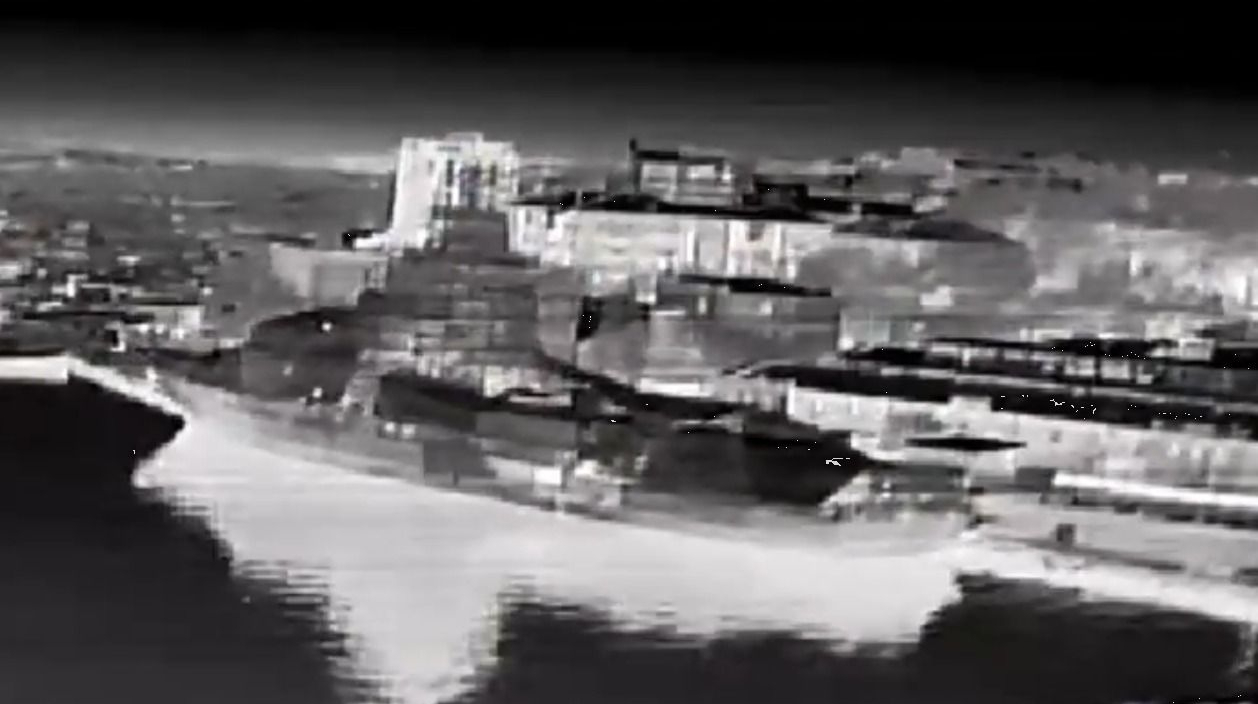
Ukraine's defense forces have mounted targeted responses to Russian aggression, focusing on high-value military assets in occupied territories and deep within Russia.[2][4] In Crimea, the Security Service of Ukraine conducted precision strikes on Russian naval and air facilities in Sevastopol and Belbek, resulting in the destruction of three warships, a fighter jet, and an air defense system.[2] Photographs from the scene documented the extent of the damage to these critical installations, demonstrating Ukraine's capability to project force into contested areas.[2] Complementing these operations, Ukraine's General Staff reported successful hits on Russian military trains and an oil refinery in the city of Yaroslavl.[4] The refinery strike on April 26 ignited a fire, disrupting what is a vital component of Russia's energy infrastructure supporting its war effort.[4] These counterstrikes on military trains further aimed to hinder Russian logistics, targeting supply lines essential for sustaining frontline operations.[4] Together, these actions illustrate a strategy of retaliation that seeks to degrade Russian command, control, and sustainment capabilities while minimizing exposure to counterfire.[2][4]
Incidents Involving Neighboring Areas
Events spilling beyond Ukraine's borders have drawn international attention, particularly incidents involving NATO member Romania.[3] Drone wreckage from Russian attacks was discovered in Tulcea County, Romania, marking the third such occurrence in just two days near the Ukraine border.[3] This latest find followed an overnight assault on Odesa Oblast, where debris from Russian drones apparently crossed into Romanian territory.[3] The repeated nature of these incursions—three times in a short span—raises questions about the precision of Russian targeting and the risks of escalation involving neighboring states.[3] Romania's proximity to Ukraine's southern front lines places it in a vulnerable position, with wreckage discoveries prompting local investigations and diplomatic notes to Moscow.[3] Such spillover effects complicate the regional security environment, as they test alliance responses and underscore the transnational reach of the ongoing hostilities.[3]
Escalation and Key Details
The scale of recent Russian strikes in Ukraine signals a marked escalation, with over 660 drones and missiles launched in a single wave of attacks.[1] This volume exceeds previous barrages, targeting multiple regions and straining Ukraine's interception capabilities.[1] Casualties mounted quickly, with at least seven killed and dozens wounded, particularly in urban centers like Dnipro where civilian infrastructure bore the brunt.[1] The intensified use of drones points to Russia's adaptation of tactics, favoring low-cost, high-volume swarms to overwhelm defenses and conserve more expensive missile stocks.[1] Ukrainian officials have highlighted these patterns as indicative of a deliberate strategy to erode morale and infrastructure over time.[1] Key details from the assaults include the multi-hour duration of the operation and the geographic spread, from southeastern cities to other frontline zones.[1] This escalation occurs amid broader geopolitical tensions, where each side's actions prompt retaliatory cycles, potentially drawing in external actors.[1]
Summary of Military Exchanges
The latest exchanges between Russian and Ukrainian forces encapsulate a tit-for-tat dynamic of attrition warfare.[1][2][4] On one side, Russia's massive drone and missile campaign inflicted heavy civilian tolls, with seven deaths and numerous injuries across regions including Dnipro.[1] Ukraine responded decisively, neutralizing three Russian warships, a fighter jet, and an air defense system in Crimea's Sevastopol and Belbek areas.[2] Further afield, strikes on a Yaroslavl oil refinery sparked a fire, while attacks on military trains disrupted Russian movements.[4] These Ukrainian operations, detailed by the General Staff, targeted logistics and fuel supplies critical to Moscow's campaign.[4] The destruction in Crimea, verified through imagery, represents a symbolic and strategic blow to Russian Black Sea dominance.[2] Collectively, these events illustrate mutual efforts to impose costs: Russia through overwhelming volume, Ukraine via precision hits on vulnerabilities.[1][2][4] The pattern of intensified drone usage by Russia and deepening Ukrainian reach into Russian territory suggests a conflict broadening in scope and intensity.[1][4]
What to watch next: Further developments in Russian drone barrages and Ukrainian strikes on Crimea and Russian infrastructure, as both sides continue to report gains in ongoing military exchanges.[1][2][4]