
Hundreds of Sudanese Civilians Killed in Recent Aerial Strikes, Red Cross Reports
Aerial strikes across Sudan in recent weeks, many likely conducted with armed drones, have caused a sharp rise in civilian casualties, with hundreds reported killed in residential areas, markets, and sites sheltering displaced people, according to the International Committee of the Red Cross.
Rising Civilian Toll from Aerial Strikes
Aerial attacks have produced a worrying increase in civilian harm across Sudan. [2] The International Committee of the Red Cross has documented this escalation through its monitoring in the country. [3] Reports indicate that the number of civilian victims has risen sharply in the period covered by recent observations. [4] This trend reflects a broader pattern of harm affecting non-combatants in multiple regions. [1] The Red Cross has highlighted how these developments have intensified the risks faced by ordinary residents. [2]
Further details from field assessments show that civilian deaths and injuries have mounted steadily. [3] The organization notes that the scale of the impact stands out compared to prior periods. [4] Hundreds of civilians are reported to have died in the attacks. [2] Such figures underscore the direct consequences for communities caught in the strikes. [3] The increase has prompted renewed attention from humanitarian observers on the ground. [1]
Nature of the Attacks
Most of the strikes are believed to have involved armed drones. [2] The International Committee of the Red Cross states that a large portion of the aerial operations relied on this type of weaponry. [3] Evidence gathered points to drones as the primary means in many incidents. [4] This method of attack has allowed strikes to reach targets over wider areas within short timeframes. [2]
The use of such technology has contributed to the precision and frequency of the operations. [3] Observers have noted that the majority of these actions appear to have been executed through unmanned aerial systems. [4] The pattern suggests a shift toward drone-enabled tactics in the ongoing conflict. [1] Red Cross assessments confirm that this approach has played a central role in the recent wave of attacks. [2]
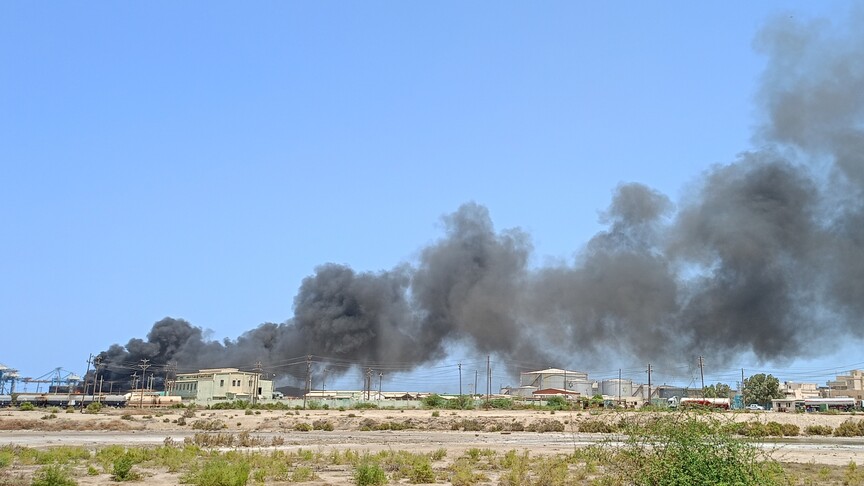
Red Cross warns of rising civilian deaths from aerial strikes in Sudan. — Source: anadolu
Affected Locations
Residential zones, markets, and locations hosting displaced populations have been particularly hard hit. [2] The strikes have struck residential neighborhoods with notable frequency. [3] Markets serving civilian populations have also sustained direct impacts during the recent weeks. [4] Sites providing shelter to people who have fled their homes have not been spared. [2]
These types of areas have experienced concentrated effects from the aerial operations. [3] The presence of civilians in such locations has amplified the resulting harm. [1] Reports detail how everyday gathering points and housing districts became focal points of the attacks. [4] The pattern of targeting these zones has raised specific alarms among aid workers. [2]
ICRC Statement and Concerns
The International Committee of the Red Cross has expressed serious concern over the trend. [1] The organization describes the rise in civilian harm as worrying and in need of urgent attention. [2] Statements from its offices in Port Sudan emphasize the threat to civilian lives posed by attacks on populated zones. [3] The Red Cross warns that aerial attacks in Sudan cause a rise in civilian harm. [4]
This position is based on direct observations collected over the past weeks. [2] The group calls attention to the humanitarian consequences that follow from continued strikes in civilian spaces. [3] Officials have stressed that the current trajectory endangers non-combatants on a growing scale. [4] The concerns reflect ongoing monitoring efforts across affected regions. [1]
{IMAGE_3}
Broader Context in Sudan
The strikes have occurred throughout the country. [2] Aerial operations have taken place in various parts of Sudan during the recent period. [3] The geographic spread covers multiple areas where civilian infrastructure remains in use. [4] This nationwide dimension has compounded the challenges for local populations. [2]
The pattern of attacks extends beyond single locations to encompass wide sections of the territory. [3] Humanitarian agencies have tracked incidents in diverse settings inside Sudan. [1] The reach of the strikes has affected communities in both urban and rural settings. [4] The overall scope illustrates the extensive nature of the aerial campaign. [2]
Humanitarian Implications for Civilians
The situation raises great concern for the safety of residents who remain in or near conflict zones. [3] Hundreds of reported deaths highlight the immediate human cost of the operations. [4] The International Committee of the Red Cross continues to document cases involving non-combatants. [2] These developments have strained resources available for medical and relief efforts. [1]
Aid providers note that the attacks have disrupted daily life for many families. [3] The focus on populated sites has left lasting effects on access to basic services. [4] Continued monitoring by the Red Cross aims to track further changes in civilian harm levels. [2] The warnings issued serve to draw attention to the need for measures that protect vulnerable groups. [3]
What to watch next: The International Committee of the Red Cross will continue to monitor aerial strikes across Sudan and report on any further rise in civilian casualties in residential areas, markets, and displacement sites.