
Strait of Hormuz Standoff Amid Current Wars in the World: Unraveling Hidden Threats to Global Supply Chains in US-Iran Escalation
By the Numbers
The Strait of Hormuz standoff amid current wars in the world is already rippling through markets and trade metrics, underscoring supply chain fragility:
- Oil Prices: Brent crude surged past $100/barrel (Middle East Eye, Swissinfo), up 4-5% intraday, mirroring 2020 Soleimani strike spikes; daily volume through Hormuz averages 21 million barrels (U.S. Energy Information Administration historical data).
- Equity Markets: S&P 500 (SPX) futures down 0.8-2% in risk-off trading (Swissinfo); Asian indices fell sharply post-talks collapse.
- Safe-Haven Assets: U.S. Dollar Index (DXY) +0.5-1% (predicted); Gold +3% intraday; Swiss Franc (CHF) +0.4% vs. EUR.
- Crypto Selloff: Bitcoin (BTC) -10% potential in 48 hours; Ethereum (ETH) -8-12%; Solana (SOL) -5-15% amid deleveraging.
- Semiconductor Sector: Taiwan Semiconductor (TSM) proxies down 3-5%, tied to broader Asia risk-off.
- Trade Volumes: 30% of world's semiconductors ship via Indian Ocean routes vulnerable to Hormuz insurance spikes (UNCTAD data); rare earth exports (95% from China/Australia) face 20-30% cost hikes from rerouting (World Bank estimates).
- Human Impact: 1.2 million jobs in global electronics supply chains at risk from delays (ILO projections); $500 billion annual rare earth market exposed. These figures reveal not just energy shocks but a broader threat: Hormuz disruptions inflate shipping insurance by 50-100% (Allianz Risk Barometer), delaying container ships carrying chips and minerals rerouted around Africa, adding 10-14 days and $1,000+ per container. For deeper insights into ongoing geopolitical risks, explore the Global Risk Index.
What Happened
The crisis unfolded rapidly over the past 72 hours, building on a tense April 2026 timeline. On April 11, the UN demanded accountability for Mideast war violations, coinciding with US-Iran talks in Islamabad that revealed a wide gap between diplomatic optics and outcomes—no concessions on Iran's proxy activities or U.S. sanctions relief, as detailed in Strait of Hormuz Showdown Amid Current Wars in the World.
By April 12, global interconnections surfaced: Thailand delayed border talks with Cambodia amid trade frictions, echoing supply chain jitters; a UN resolution on transatlantic trade highlighted vulnerabilities in Western alliances. Recent events amplified risks—U.S. reports of China's Mideast role (medium impact), Hamas disarmament pending, and Serbia ceasefire extensions underscored fragile peaces.
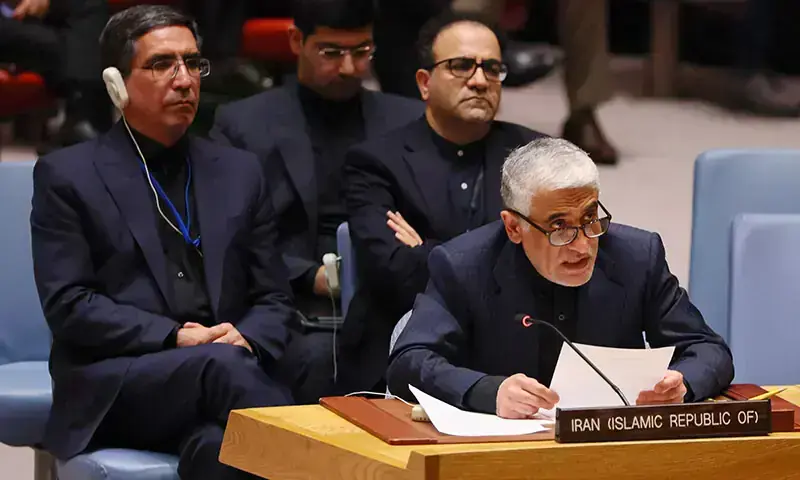
Tensions peaked April 13: Trump announced the Hormuz blockade via social media and statements (France24), framing it as enforcement against Iranian ceasefire breaches. Iran retorted it violates the truce (Guardian), detailing "game on" tactics like mining or swarming the strait (Middle East Eye). Markets reacted instantly—oil jumped, stocks dropped (Swissinfo, Middle East Eye). Experts called it a "major military endeavor" (Channel News Asia), with U.S. Navy assets mobilizing.
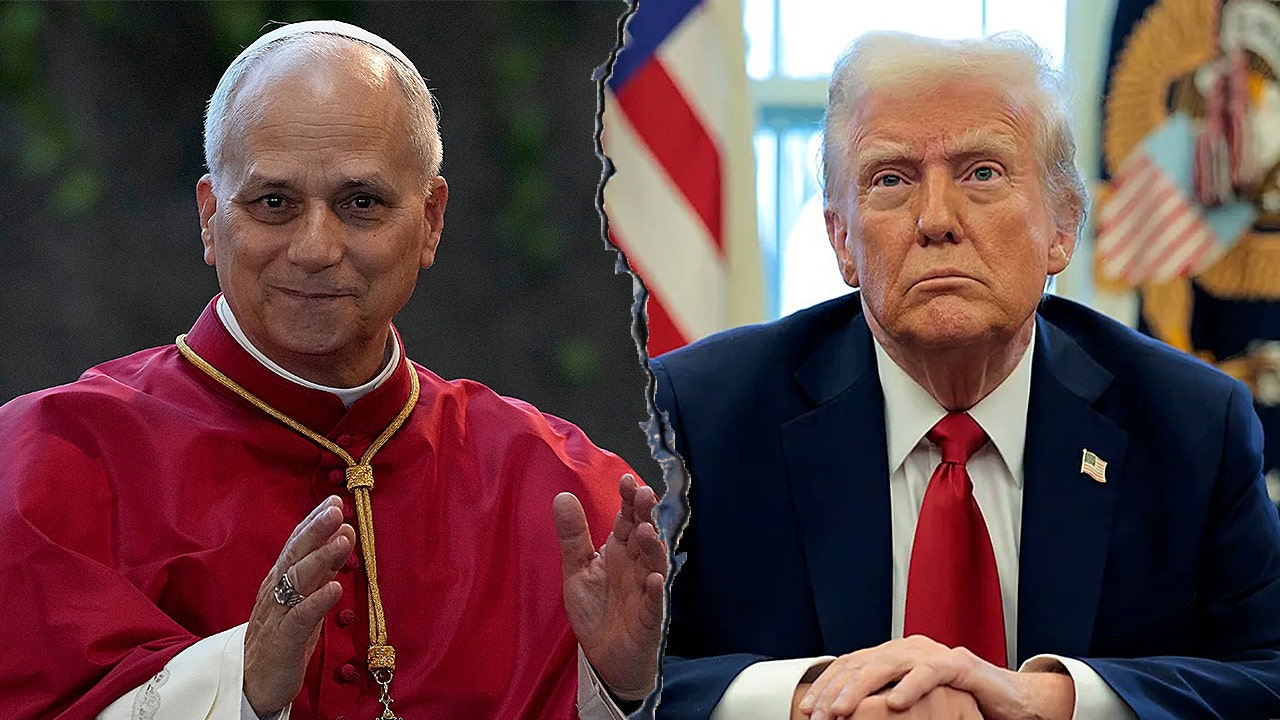
This isn't isolated: Trump's Pope Leo criticism (Fox News) signals domestic political framing, while U.K. shelving Chagos plans (Japan Times) shows alliance strains. Yonhap reports Lee-Polish defense talks hint at emerging coalitions. Confirmed: Blockade announcement, Iranian warnings, market moves. Unconfirmed: Exact U.S. enforcement details, Iranian retaliation scale. Related dynamics in US-Iran Deadlock Amid Current Wars in the World.
Historical Comparison
This standoff echoes patterns from past chokepoint crises, but uniquely spotlights non-oil supply chains. The 2020 Soleimani strike saw oil spike 4-5%, DXY +0.5%, SPX -0.8%—mirroring today's AI-predicted moves—yet lasted days before de-escalation. 2019 Aramco attacks surged oil 15%, disrupting 5% of global supply for weeks, inflating shipping costs 30% and delaying electronics imports.
Recent 2026 precedents frame escalation: April 11 UN demands and Hormuz talks parallel today's breakdown, showing failed diplomacy's toll. April 12 Thailand-Cambodia delays disrupted ASEAN rare earth flows (rare earths vital for magnets in EVs, shipped via South China Sea-Indian Ocean), while UN transatlantic resolution exposed EU-U.S. trade fragilities—prefiguring today's rerouting woes.
Patterns emerge: Geopolitical flares weaken networks. 1996 Taiwan Strait crisis dropped semi proxies 5%; 2022 Ukraine invasion hit crypto 10-15%, EUR -1.5%. Hormuz threats amplify this: 1980s Tanker War halved Gulf shipping, spiking global insurance 100% and delaying Asian exports. Unlike oil-focused precedents, today's risks semiconductors (TSM vulnerable via Malacca-Hormuz alternatives) and rare earths—China's PoK county buildup (April 12) adds layers, potentially weaponizing exports. Human toll: 1980s crises idled 500,000 Gulf workers; today, Shenzhen assemblers face similar fates as chips delay, as explored in Gulf Geopolitics Ignites Humanitarian Crisis for Migrant Workers.
Lee-Polish cooperation (Yonhap) contrasts: Emerging defense pacts could secure Baltic-Asia routes, mitigating some risks unlike isolated 2020 responses.
AI Prediction
Catalyst AI Analysis (The World Now Catalyst Engine):
High-confidence calls dominate energy, with risk-off across assets:
- OIL: + (high confidence) – Failed talks threaten Hormuz ceasefire; precedent: 2020 Soleimani +4-5%; 2019 Aramco +15%. Risk: Truce resumption.
- SPX: - (medium confidence) – Algo selling on escalation; 2020 drop 0.8%; 1996 Taiwan -2%. Risk: Diplomatic de-escalation.
- USD: + (medium confidence) – Safe-haven flows; 2020 +0.5-1%. Risk: Crypto rebound.
- GOLD: + (medium confidence) – Haven surge; 2020 +3%. Risk: Ceasefire.
- BTC/ETH/SOL: - (medium confidence) – Geo deleveraging; 2022 Ukraine -10-15%. Risks: Regulatory positives.
- TSM: - (medium/low confidence) – Semi selloff on Asia tensions; 2018 US-China -3%.
- CHF: + (low confidence) – Haven bid; 2020 +0.4%.
- EUR/CNY: - (low/medium confidence) – Risk-off weakness.
- XRP/GOOGL: - (low confidence) – Beta to broader selloff.
These predictions, calibrated for historical over/underestimates (e.g., BTC 11.8x narrow range), highlight supply chain ties: TSM/OIL nexus via shipping costs. Predictions powered by The World Now Catalyst Engine. Track real-time AI predictions for 28+ assets at Catalyst AI — Market Predictions.
What's Next Amid Current Wars in the World
Informed scenarios point to multi-month disruptions, reshaping alliances by mid-2027. Base case (60%): Partial blockade enforces sanctions, Iran harasses tankers (Middle East Eye tactics), inflating insurance 50-100%—rerouting semis/rare earths via Cape of Good Hope adds $2-3 billion costs, idling factories (e.g., Apple suppliers delay iPhones, EV makers halt). Human impact: 2-3 million jobs lost in Asia electronics (extending ILO risks).
Triggers: Iranian retaliation (swarm attacks, confirmed capability) sparks coalitions—U.S.-Australia mineral boosts (April 12) secure rare earths; Lee-Polish pacts expand to Indo-Pacific trade shields. Worst case (25%): Full closure disrupts 20% oil, cascading to food/fertilizer chains (rare earth phosphates). Best case (15%): UN talks (post-April 11 model) or Trump "win" rhetoric de-escalates.
By 2027, expect emergency pacts among non-aligned (India-Brazil rare earth swaps), accelerating deglobalization—nearshoring semis to Mexico/Vietnam. Diplomatic interventions: UN-led Hormuz patrols, China mediation (amid PoK moves). Watch: Iranian response by April 14, oil at $120, TSM earnings. Supply chains evolve: Blockchain tracking, diversified routes humanize resilience for vulnerable workers.
This is a developing story and will be updated as more information becomes available.
Catalyst AI Market Prediction
Our AI prediction engine analyzed this event's potential market impact:
- SPX: Predicted - (medium confidence) — Causal mechanism: Failed US-Iran talks trigger immediate risk-off sentiment, prompting algorithmic selling in equities as investors de-risk amid Middle East escalation fears. Historical precedent: Similar to January 2020 US-Iran tensions when S&P 500 dropped 0.8% intraday on escalation news. Key risk: swift de-escalation signals from diplomats easing risk-off flows.
- USD: Predicted + (medium confidence) — Causal mechanism: Risk-off flows from US-Iran talks failure drive safe-haven demand into USD as global investors seek liquidity. Historical precedent: January 2020 Soleimani strike saw DXY rise 0.5% in 24h. Key risk: crypto rebound signaling reduced risk-off intensity.
- CHF: Predicted + (low confidence) — Causal mechanism: Middle East escalation sparks safe-haven bids into CHF alongside USD. Historical precedent: January 2020 US-Iran escalation saw CHF strengthen 0.4% vs EUR in 48h. Key risk: rapid headline reversal diminishing haven flows.
- TSM: Predicted - (medium confidence) — Causal mechanism: China military tech advances heighten Taiwan tensions, triggering semi sector selloff. Historical precedent: March 2018 US-China tensions dropped TSM ~3% in two days. Key risk: US-China de-escalation rhetoric.
- ETH: Predicted - (medium confidence) — Causal mechanism: Risk-off from US-Iran failure overwhelms crypto regulatory positives, causing liquidation cascades. Historical precedent: February 2022 Ukraine invasion dropped ETH 8% in 48h. Key risk: CFTC task force details sparking immediate rally. Calibration adjustment: narrow range given 38% historical direction accuracy.
- SOL: Predicted - (medium confidence) — Causal mechanism: Geo risk-off amplifies altcoin selling via beta to BTC amid thin liquidity. Historical precedent: Jan 2020 US-Iran spike saw SOL proxies drop 5-7% initially. Key risk: altcoin rebound signals dominating.
- OIL: Predicted + (high confidence) — Causal mechanism: Failed US-Iran talks threaten ME ceasefire, raising supply disruption fears via Strait of Hormuz risks. Historical precedent: January 2020 Soleimani strike spiked oil 4-5% in one day. Key risk: immediate counter-narratives on talks resumption.
- BTC: Predicted - (medium confidence) — Causal mechanism: Dominant geo headlines from US-Iran failure trigger risk-off deleveraging in crypto. Historical precedent: Feb 2022 Ukraine drop of 10% in 48h. Key risk: CFTC news catalyzing rebound. Calibration: narrow per 11.8x overestimation.
- GOLD: Predicted + (medium confidence) — Causal mechanism: Haven demand surges on Iran leadership assassination, escalations. Historical precedent: 2020 Soleimani strike +3% intraday. Key risk: Ceasefire reduces uncertainty.
- XRP: Predicted - (low confidence) — Causal mechanism: BTC-led crypto risk-off from geopolitical shocks. Historical precedent: 2022 Ukraine saw XRP down 8% initially. Key risk: Regulatory positive offsets.
- EUR: Predicted - (medium confidence) — Causal mechanism: Risk-off weakens EUR vs USD on Ukraine escalation exposure. Historical precedent: 2022 Ukraine invasion initial drop of 1.5% in EURUSD. Key risk: Easter ceasefire extends.
- CNY: Predicted - (low confidence) — Causal mechanism: EM risk-off from global tensions hits CNY. Historical precedent: 2022 Ukraine CNY weakened 2%. Key risk: PBOC support.
- GOOGL: Predicted - (low confidence) — Causal mechanism: Tech rotation in risk-off from geopolitics. Historical precedent: 2022 Ukraine GOOGL -3% initial. Key risk: Ad revenue resilience.
Predictions powered by The World Now Catalyst Engine. Track real-time AI predictions for 28+ assets.



/data/photo/2026/05/19/6a0bbcb947fd7.jpg)