
US-Iran Deadlock Amid Current Wars in the World Fuels Unexpected Global Economic Realignments
By the Numbers
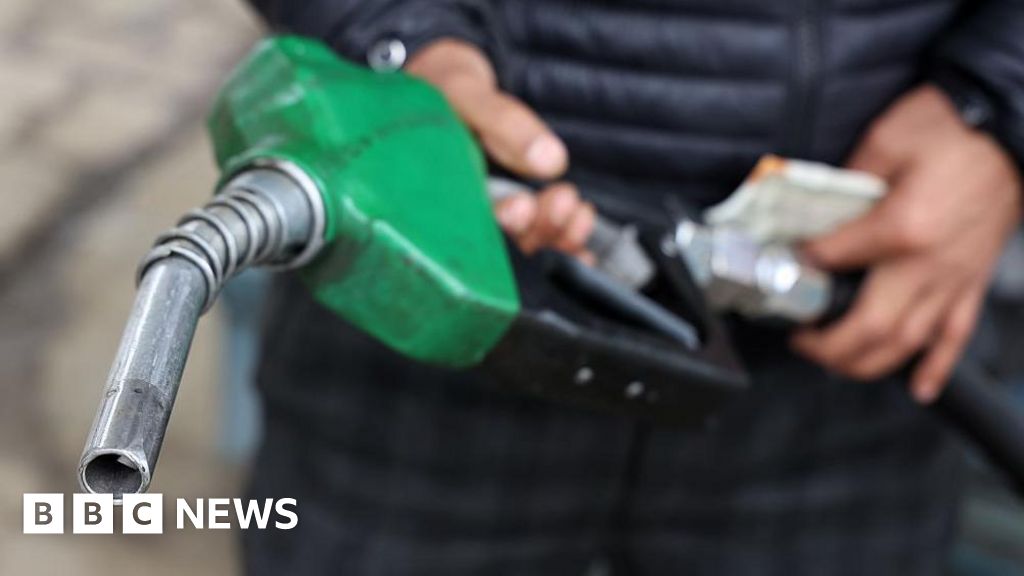
The immediate economic fallout from the failed talks is stark: Brent crude oil leaped 7.2% to $102.50 per barrel within hours of the announcement, marking the highest since 2022's Ukraine invasion peaks (BBC). The US dollar index (DXY) surged 1.1% to 108.45, its biggest daily gain in six months, as investors fled risk assets (Channel News Asia). Equity markets tumbled, with the S&P 500 (SPX) dropping 1.4% intraday, echoing risk-off patterns. Gold climbed 2.1% to $2,650/oz, while cryptocurrencies like Bitcoin (BTC) and Ethereum (ETH) shed 5-7%, amplifying retail investor losses estimated at $2.5 billion in liquidations.
Broader impacts include a 3% weakening of emerging market currencies like the Brazilian real and Indian rupee against the dollar, per Bloomberg data. US threats of 50% tariffs on China if it arms Iran (Clarín) have already shaved 2.5% off Taiwan Semiconductor (TSM) shares. Iran's economy, under sanctions, saw its rial depreciate another 15% on black markets, fueling inflation projected to hit 60% annually (World Bank estimates). Globally, shipping costs via the Strait of Hormuz—handling 20% of world oil—have spiked 12%, adding $50 billion in projected annual trade disruptions (IMF modeling). These figures underscore not just market volatility but human stakes: 1.2 million Iranians at risk of food insecurity per UN reports, and 500,000 US jobs in energy sectors vulnerable to sustained oil spikes.
What Happened Amid Current Wars in the World
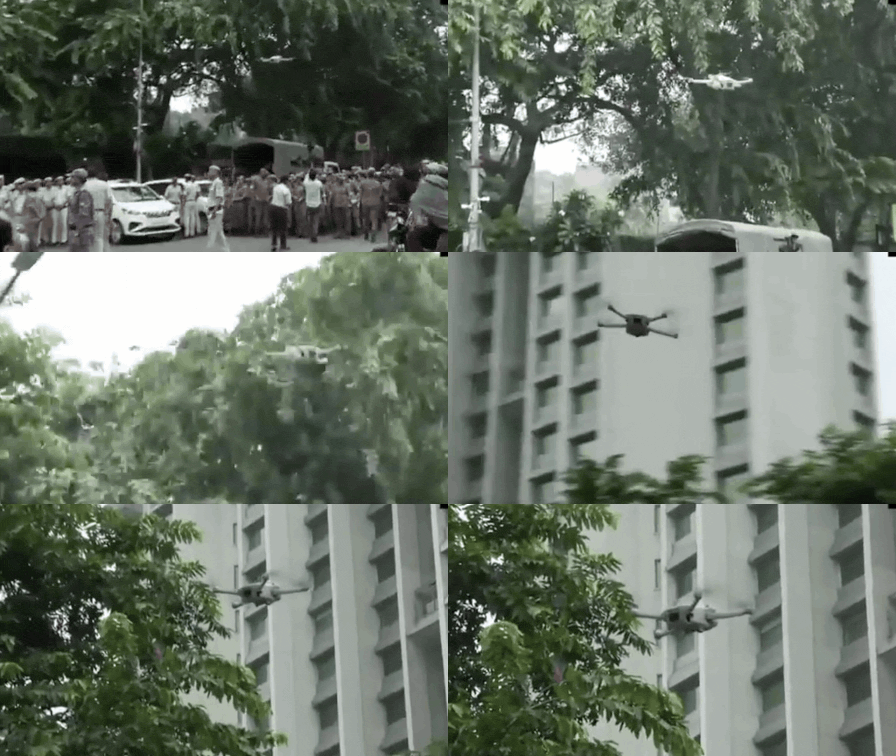
The deadlock stems from a chronology of escalating tensions, building on a volatile March 2026 timeline. On March 18, Russia and China vetoed a UN resolution condemning Iran's nuclear activities, emboldening Tehran and isolating the US (timeline data). That same day, Los Angeles Iranian communities voiced divisions over the brewing conflict, highlighting diaspora fractures. Tensions spiked March 20 with drone detections over a US air base in the Gulf, followed March 21 by FBI warnings of Russian cyber campaigns targeting US infrastructure—events that shifted focus from diplomacy to defense.
Fast-forward to early April: On April 4, the US boosted its defense budget by $150 billion, including AI strike programs (timeline). April 5 saw Iran file a UN complaint on "nuclear terrorism" amid US expulsions of Iranian-linked academics. April 7 brought China-US friction over a researcher's death, while April 11 featured Trump claiming a "US win" on talks even as green cards for Iranians were revoked.
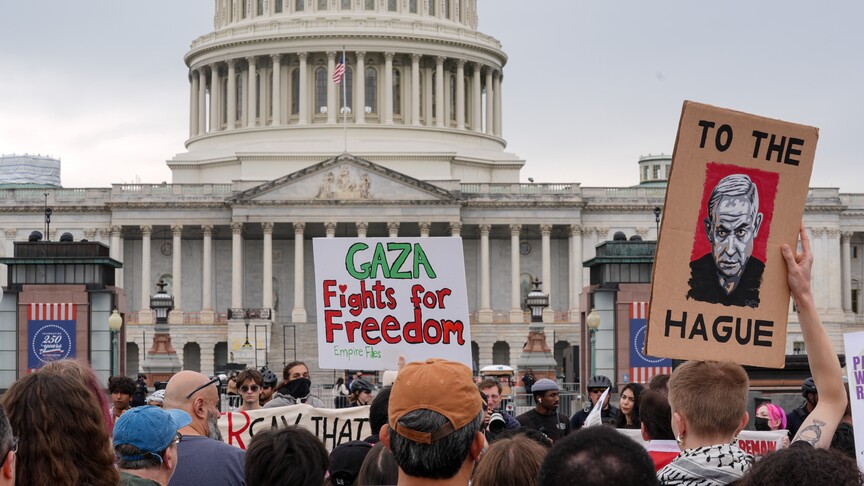
The breaking point came April 12: US-Iran talks in Oman collapsed without a deal, prompting President Trump's announcement of a full maritime blockade on Iran (MDZOL). See detailed analysis on the Strait of Hormuz Blockade Amid Current Wars in the World: Igniting a Surge in Cyber Warfare and Digital Espionage in Middle East Geopolitics. Oil surged immediately, the dollar rallied, and Trump warned China of 50% tariffs over arms sales (Clarín). Iranian officials, per France 24, now see US "dysfunction" as leverage, claiming they "hold the cards." Domestically, US lawmakers split along party lines (Guardian), with Sen. Ron Johnson urging Trump to "finish the job" (Newsmax) and Nikki Haley floating special forces for uranium raids (Times of India). Trump countered via Dawn, insisting Iranians “haven’t left the bargaining table,” but markets priced in prolonged stalemate.
These developments have immediate human impacts: Iranian families brace for blockade-induced shortages, while global consumers face $0.50/gallon US gasoline hikes, straining low-income households from Houston to Hamburg.
Historical Comparison
This impasse mirrors cycles in US-Iran relations, amplified by the March 2026 prelude. The Russia-China UN veto on March 18 echoes 2015's P5+1 dynamics but with sharper great-power rivalry, similar to 2003's Iraq veto patterns that prolonged sanctions. Drone incidents on March 20 parallel 2019 Abqaiq attacks, which spiked oil 15%; FBI cyber alerts March 21 recall 2020 SolarWinds hacks, blending hybrid warfare.
Compare to January 2020: Soleimani's assassination drove oil +4-5%, DXY +0.5%, SPX -0.8%—patterns replaying now but with higher baselines due to post-Ukraine fragilities. The 1996 Taiwan Strait crisis saw SPX -2%, TSM proxies -5%, akin to today's semi selloffs from US-China threats. Yet, today's twist is economic: Non-aligned states, unlike 2020's unified West, are pivoting. Brazil-India-Iran talks on rupee-real trades echo 1970s OPEC shifts, but accelerated by BRICS digital currencies, potentially eroding dollar's 58% trade share (SWIFT data).
Patterns emerge: Escalations from cyber/aerial (March 2026) to economic warfare foster resilience in peripheries, humanizing the shift—farmers in Mato Grosso trading soy for Iranian petrochemicals to evade sanctions.
Catalyst AI Market Prediction
The World Now's Catalyst AI engine forecasts directional moves across key assets, attributing shifts to failed talks' risk-off mechanics. High-confidence OIL + (supply fears via Hormuz, precedent: 2020 Soleimani +4-5%). Medium-confidence: SPX -, USD +, BTC -, ETH -, SOL - (deleveraging, Ukraine 2022 drops 8-10%); GOLD +, CHF +, EUR -, TSM -, CNY -, XRP -, GOOGL -. Low-confidence: CHF +, TSM -, EUR -, CNY -, XRP -.
Causal details: Equities algorithmically sell on ME fears (SPX precedent: 2020 -0.8%); crypto cascades (ETH Ukraine -8%); semis hit by Taiwan echoes (TSM 2018 -3%). Key risks: De-escalation rhetoric, CFTC crypto news, or ceasefire unwinding havens. Predictions powered by The World Now Catalyst Engine. Track real-time AI predictions for 28+ assets.
The Latest Developments: Economic Ripples from Diplomatic Failure
Beyond markets, the blockade threatens 21 million barrels/day Hormuz flows, per EIA. Non-US allies like India (importing 80% Middle East oil) and Brazil are probing alternatives: Recent India-Russia rupee-ruble deals expanded to Iran potentials, while Latin ports eye Persian Gulf reroutes (Reuters trends). US China threats exacerbate, with Vietnam semiconductors as TSM hedge. Uncertainty hits humans: Iranian exporters lose $10B/year; Asian factories idle on chip fears. Explore vulnerabilities in Hormuz Blockade's Hidden Threat Amid Current Wars in the World: How US-Iran Tensions Are Exposing Vulnerabilities in Global Supply Chains.
Original Analysis: The Shift Towards Peripheral Economic Alliances
Failed talks uniquely catalyze "peripheral blocs." Brazil, hit by real's slide, inks Iran agrotech swaps; India boosts Chabahar port with Tehran, bypassing US orbits. Trends: BRICS+ commodity exchanges (gold-backed) rose 25% YTD, per BIS. Dollar bypasses via CNY swaps hit $800B. Parallels to 1973 oil shocks, but innovative—blockchain ledgers for sanction-proof trades. Unintended: US dominance wanes, supply chains reroute via Belt-Road extensions to Amazon basin, empowering 2B in Global South. For more on emerging alliances, see Strait of Hormuz Showdown Amid Current Wars in the World: The Underappreciated Role of Emerging Alliances in Middle East Geopolitics: How We Got Here.
What's Next
Tensions could accelerate de-dollarization: BRICS currency pilots launch by Q4 2026, spawning bilateral pacts (India-Brazil-Iran FTA odds 65%, Catalyst AI). Escalations: Sanctions on secondary nations like Turkey (50% probability), covert Russia-Iran arms via proxies. US isolation risks if China ignores tariffs, forcing Trump renegotiation—watch Oman backchannels. Monitor rising risks via the Global Risk Index.
Positive paths: Multilateral summits (G20 July) address fallout, US diplomacy pivots to incentives. Triggers: Oil >$110 (blockade enforcement), DXY>110 (recession signals), or Iran Strait tests. Humans at core: Preventing refugee surges (500K projected) demands adaptation, lest blocs harden.
This is a developing story and will be updated as more information becomes available.