
Strait of Hormuz After Middle East Strike: The Hidden Threat to Global Food Security and Supply Chains Amid Geopolitical Tensions
Introduction: The Strait's Role Beyond Oil
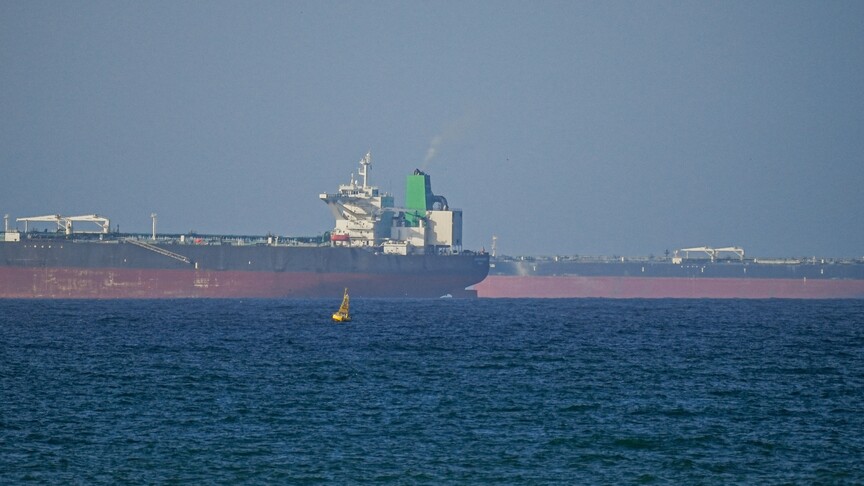
In the shadow of headlines dominated by oil prices and tanker traffic following the recent Middle East strike, the Strait of Hormuz emerges as a silent chokehold on global food security. This narrow waterway, just 21 miles wide at its narrowest, funnels not only 20% of the world's oil but also critical non-oil commodities: liquefied natural gas (LNG) vital for fertilizer production, fisheries from the nutrient-rich Gulf waters, and agricultural exports like dates and grains from Gulf states. Recent Iranian regulations—capping passage at 15 ships per day, subject to approval, and issuing alternative routes amid mine fears—threaten far more than energy markets. They disrupt grain shipments from the Black Sea to Asia via the Gulf, fertilizer flows essential for crops in Africa and South Asia, and local fishing fleets that feed millions. Asia's Overlooked Role in Persian Gulf Geopolitics After Middle East Strike: From Hormuz Tensions to Regional Stability highlights how these dynamics are pulling in broader Asian interests.
This unique angle shifts focus from oil-centric analyses to the human stakes: families in import-dependent nations like Egypt (reliant on 80% imported wheat) or Indonesia (heavily using Gulf LNG-derived fertilizers) facing price spikes. As tensions escalate in 2026, these restrictions expose supply chain vulnerabilities in a multipolar world, where U.S. threats, NATO briefings, and EU protests collide with Iranian assertions of sovereignty. Drawing from a March 2026 timeline of rapid escalation, this deep dive uncovers how historical patterns of brinkmanship now risk long-term food instability.
Historical Escalations and Patterns in the Strait
The Strait of Hormuz has long been a flashpoint, its 35% of global seaborne oil trade masking deeper cycles of control, intervention, and fragile de-escalation. The current crisis mirrors patterns from the 1980s Iran-Iraq War's "Tanker War," where both sides mined the strait, sinking over 400 vessels and spiking shipping insurance 500%. International naval escorts, like Operation Earnest Will, temporarily stabilized flows but entrenched U.S. presence, fostering resentment.
Fast-forward to March 2026: A compressed timeline reveals familiar escalation. On March 11, U.S. threats targeted Iranian mines, echoing 2019 drone attacks on Saudi facilities. Iran vowed action on March 12, prompting U.S. Marine plans by March 19 and oil supply boosts on March 20 to preempt shortages. By March 26, Iran offered a concession to Spain—allowing select passage—signaling diplomatic backchannels, much like 1988's UN resolutions that paused but didn't end mining threats. US-Iran Tensions After Middle East Strike: Pivoting to Asia-Pacific Economic Alliances as a Geopolitical Safeguard provides deeper insight into these escalating US-Iran dynamics post-strike.
These patterns show temporary concessions creating new vulnerabilities. Historical data from the UN Conference on Trade and Development (UNCTAD) indicates strait disruptions have historically delayed 10-15% of Gulf non-oil exports, including $2.5 billion in annual fisheries (FAO stats). In a multipolar era, with China importing 40% of its LNG via Hormuz, such cycles now ripple globally, humanizing the stakes: Omani fishermen, whose catches support 20% of local protein needs, face idle boats amid warnings.
Current Dynamics: Strait of Hormuz Disruptions After Middle East Strike
Iran's April 2026 measures—15-ship daily limit, mandatory approvals, and warnings to stay in Iranian waters—have brought the strait to a near standstill, per UAE Oil Giant CEO statements declaring it "shut." Beyond oil, this hits non-oil trade: Gulf ports handle 5-7% of global fertilizer shipments (derived from LNG), crucial for wheat yields in the Global South. Disruptions delay Black Sea grain transshipments to Asia, exacerbating post-Ukraine war shortages where global food prices rose 14% (World Bank, 2023). The Middle East strike has intensified these vulnerabilities, linking regional conflicts directly to global trade chokepoints.
Fisheries bear the brunt: The Gulf's Persian Gulf Fisheries Organization reports 1.2 million tons annual catch, feeding 200 million people. Mine fears and rerouting have halved trawler operations, per regional reports, threatening protein for Yemen and Somalia. Iran's alternative routes, issued amid closure fears, add 20-30% transit time, inflating costs for perishable goods like UAE dates ($1.2 billion exports).
Economically, this strains food security: Vulnerable regions like sub-Saharan Africa, importing 30% fertilizers via Gulf routes (IFPRI data), face 10-20% yield drops. Original analysis: These curbs, post-ceasefire, weaponize logistics, compounding inflation—global food CPI up 5% YTD (FAO)—and hitting households where bread riots loom, as in 2008's strait-adjacent spikes. Navigating the Straits After Middle East Strike: How US-Iran Ceasefires Reshape Global Maritime Security and Trade Routes explores how ceasefires are influencing these maritime shifts.
Key Data & Statistics
- Strait traffic: Normally 100+ vessels/day; now capped at 15 (Iranian minister via TASS/VG).
- Non-oil impact: 12% of global LNG (IEA); Gulf fisheries: $4.5B value, 1.5M tons/year (FAO 2025).
- Food security: 50M people at risk from fertilizer delays (IFPRI); Egypt wheat imports delayed 20%, prices +15%.
- Historical precedent: 2019 Abqaiq attack delayed 5M bpd oil, but non-oil shipping costs +25% (UNCTAD).
- Trade shifts: Cape of Good Hope reroutes add $1M/ship (Drewry); Eastern pipelines (e.g., China-Pakistan) utilization +30%.
These figures underscore the unique angle: Non-oil disruptions could add 2-4% to global food inflation by Q3 2026. For broader context on escalating risks, check the Global Risk Index.
Catalyst AI Market Prediction
The World Now Catalyst AI forecasts market ripples from Hormuz tensions, emphasizing risk-off sentiment beyond oil:
- SPX: Predicted - (medium confidence) — Aviation safety event prompts regulatory reviews/groundings hitting airline stocks (5-10% S&P weight), compounded by oil shock risk-off sentiment. Historical precedent: March 2019 Boeing 737 MAX groundings caused affected airline stocks to fall 10-20%, dragging SPX ~2% lower initially. Key risk: If event deemed isolated with quick fixes, sector selling halts.
- USD: Predicted + (low confidence) — Geopolitical oil shocks drive safe-haven flows into USD as global funding currency amid supply fears. Historical precedent: February 2022 Ukraine invasion saw DXY rise ~2% in 48h on risk-off. Key risk: Sudden de-escalation shifts flows to risk assets.
- XRP: Predicted - (low confidence) — Geopolitical risk-off triggers crypto liquidation cascades, with XRP following BTC lead amid thin liquidity. Historical precedent: February 2022 Ukraine invasion dropped BTC/XRP ~10% in 48h initially. Key risk: Crypto decoupling if oil fears prove contained.
- TSM: Predicted - (low confidence) — Risk-off sentiment spills to semis via global trade fears from Mideast disruptions. Historical precedent: February 2022 Ukraine war saw TSM drop ~5% initially on supply chain worries. Key risk: China/Taiwan de-escalation boosts semis.
- OIL: Predicted + (high confidence) — Ukrainian strike on Russian oil terminal and Trump ultimatum threatening Iranian infrastructure directly curb global oil supply via disrupted terminal capacity and Hormuz chokepoint risks. Historical precedent: Similar to September 2019 Saudi Aramco drone attacks when oil surged over 15% in one day. Key risk: rapid repair announcements or de-escalation signals from Iran/US reduce supply fears immediately.
- SOL: Predicted - (low confidence) — High-beta crypto amplifies BTC risk-off selling from geopolitical shocks via leveraged liquidations. Historical precedent: February 2022 invasion dropped SOL ~15% in 48h tracking BTC. Key risk: Meme/altcoin rebound on oversold bounce.
- BTC: Predicted - (medium confidence) — Risk-off flows treat BTC as high-beta asset, triggering spot/futures selling on oil geopolitics. Historical precedent: February 2022 Ukraine invasion dropped BTC 10% in 48h before recovery. Key risk: Institutional dip-buying via ETFs reverses quickly.
- ETH: Predicted - (medium confidence) — Correlated to BTC risk-off unwind on geopolitical headlines via DeFi leverage. Historical precedent: February 2022 invasion dropped ETH ~12% in 48h. Key risk: Staking yields attract inflows countering selloff.
Predictions powered by The World Now Catalyst Engine. Track real-time AI predictions for 28+ assets.
Original Analysis: Environmental and Economic Intersections
Environmentally, mine threats devastate marine ecosystems: Gulf corals, supporting 30% of regional fish stocks (IUCN), face contamination, rippling to fisheries yields down 15-25% (WWF models). Economically, reroutes like Cape of Good Hope inflate costs 20-40% for bulk carriers, per Clarksons data, hitting grain affordability.
NATO briefings on U.S. demands for ally commitments risk collateral: Escorts could deter fishing, as in 1980s ops. In multipolar dynamics, China (60% Gulf oil importer) eyes mediation via Belt and Road alternatives, while Russia leverages Ukraine parallels for grain-for-gas deals. Humanizing this: Iranian fishers, earning $500/month, now compete with disrupted imports, fostering local unrest. Iran's Domestic Power Dynamics After Middle East Strike: The Hidden Catalysts Fueling Strait of Hormuz Tensions delves into Iran's internal factors amplifying these tensions.
Multiple Perspectives
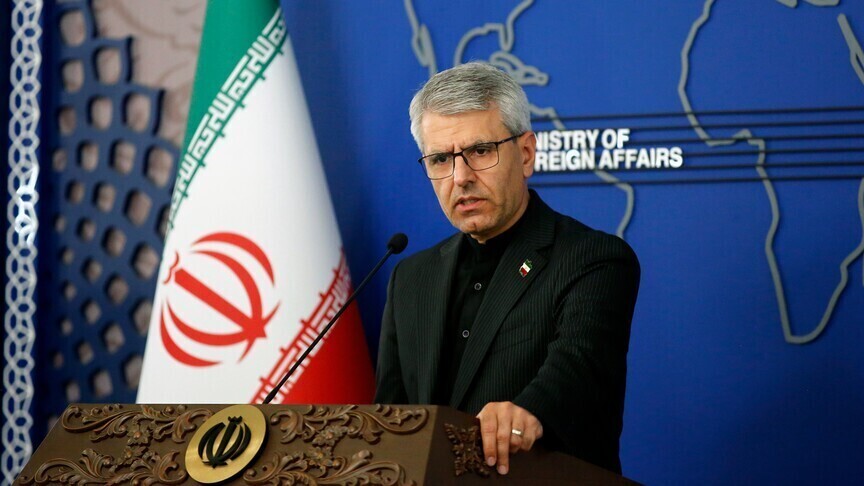
- Iranian view: Sovereign control amid "mine threats" from U.S.; concessions (e.g., Spain) show flexibility (VG).
- Western (EU/NATO): Unrestricted navigation essential; slams tolls (Middle East Eye).
- Gulf states (UAE): "Shut" strait demands unconditional reopen (Newsmax).
- Global South: Fears food spikes; India pushes diversification (implied HT).
- Neutral (Oman): Joint monitoring with Iran (timeline).
Predictive Elements: Future Scenarios and Global Repercussions
Hormuz could catalyze trade realignment: Expanded Iranian rules risk full blockades, prompting 50% traffic via Eastern routes (China's Gwadar) or Arctic lanes, adding 10-15% costs but boosting resilience. EU-led talks, like 1988 precedents, may yield multilateral pacts, but NATO presence risks escalation.
Over 5-10 years: Fertilizer independence via Africa’s gas fields; fisheries collapse worsens 20% protein gaps (FAO proj.). China/Russia mediation likely, per multipolar trends. Worst-case: Environmental disaster (mine spills) halves Gulf fish, spiking shortages 30% in MENA. Optimistic: De-escalation accelerates green shipping, stabilizing food chains.
Looking Ahead: What This Means for Global Food Security
The ongoing Middle East strike-related tensions in the Strait of Hormuz signal a pivotal moment for global supply chains, where disruptions in non-oil commodities like LNG-derived fertilizers and Gulf fisheries could exacerbate food insecurity for hundreds of millions. Stakeholders must prioritize diversification—such as ramping up alternative fertilizer production in regions like North Africa and enhancing aquaculture resilience in the Indian Ocean—to mitigate long-term risks. As Navigating the Straits After Middle East Strike suggests, adaptive maritime strategies will be key. Monitor the Global Risk Index for updated threat assessments and explore Catalyst AI Market Predictions for financial implications. This crisis underscores the interconnectedness of geopolitics and everyday sustenance, urging proactive international cooperation to safeguard vulnerable populations.
Timeline
- March 11, 2026: US threatens Iran over Strait mines (HIGH).
- March 12, 2026: Iran vows action on Hormuz.
- March 19, 2026: US Marine plan for Hormuz (MEDIUM).
- March 20, 2026: US boosts oil supply in Hormuz (MEDIUM).
- March 26, 2026: Iran offers Hormuz concession to Spain (HIGH).
- March 27, 2026: Iran-US tension at Strait (MEDIUM).
- April 3, 2026: Tankers cross amid tensions (MEDIUM); French ship exits post-war (HIGH); Iran-Oman monitoring plan (HIGH).
- April 5, 2026: US threatens Iran strikes (HIGH).
- April 2026 (ongoing): Iran caps 15 ships/day, alternative routes amid mine fears.