
Beneath the Waves: How Russian Submarine Incursions are Fueling a New Era of UK Undersea Security and NATO Unity
By Yuki Tanaka, Tech & Markets Editor, The World Now
In an era where global conflicts increasingly spill into the shadows beneath the ocean's surface, Russian submarine activities near UK waters have thrust undersea security into the spotlight. This trending issue isn't just about military posturing—it's a wake-up call for the vulnerabilities of critical infrastructure like transatlantic cables and pipelines, now compounded by climate-driven changes in ocean geopolitics. As melting Arctic ice opens new naval routes and warmer waters alter submarine acoustics, the stakes are higher than ever. For broader context on interconnected global risks, explore our Global Risk Index.
Introduction: The Hidden Frontlines of UK Geopolitics
The North Atlantic, long a bastion of relative peace since the Cold War, is once again a theater of silent tension. Recent detections of Russian submarines prowling perilously close to UK territorial waters have ignited global headlines, positioning undersea threats as a top security priority for London and its NATO allies. UK defense officials have publicly warned Moscow that "we see your activity," underscoring a robust deterrence campaign that includes military deployments to shadow and repel these incursions.
What makes this trending? It's not merely espionage—though suspicions linger—but the existential risk to the undersea infrastructure that powers the modern world. Over 95% of global internet traffic zips through submarine cables, while pipelines like those carrying North Sea gas sustain Europe's energy needs. A single sabotage could cripple economies, as seen in the 2022 Nord Stream explosions. Sources reveal the UK foiled a suspected Russian operation targeting these assets, deploying warships and submarines to escort and deter.
This article's unique angle dives deeper: these incursions expose intertwined environmental and technological vulnerabilities. Ocean warming, driven by climate change, is reshaping submarine warfare. Warmer waters reduce sound propagation, making stealthier operations possible for Russia's advanced Yasen-class subs. Meanwhile, melting Arctic ice—projected to open ice-free passages by 2030—grants Russia strategic shortcuts, amplifying its naval reach. As the UK bolsters its undersea defenses, this convergence of geopolitics, technology, and climate is forging a new era of NATO unity, with implications far beyond the Atlantic.
Public fascination stems from the drama: Kremlin spokespeople dismiss UK claims as "piracy accusations," framing their naval escorts of sanctioned tankers as legitimate self-defense. Social media buzz, from X (formerly Twitter) threads dissecting sonar maps to TikTok videos on "submarine hunts," has amplified the story, blending thriller-like intrigue with real-world stakes. With over 500,000 engagements on key posts from outlets like the Times of India, it's clear why everyone's talking.
Current Incidents and Patterns
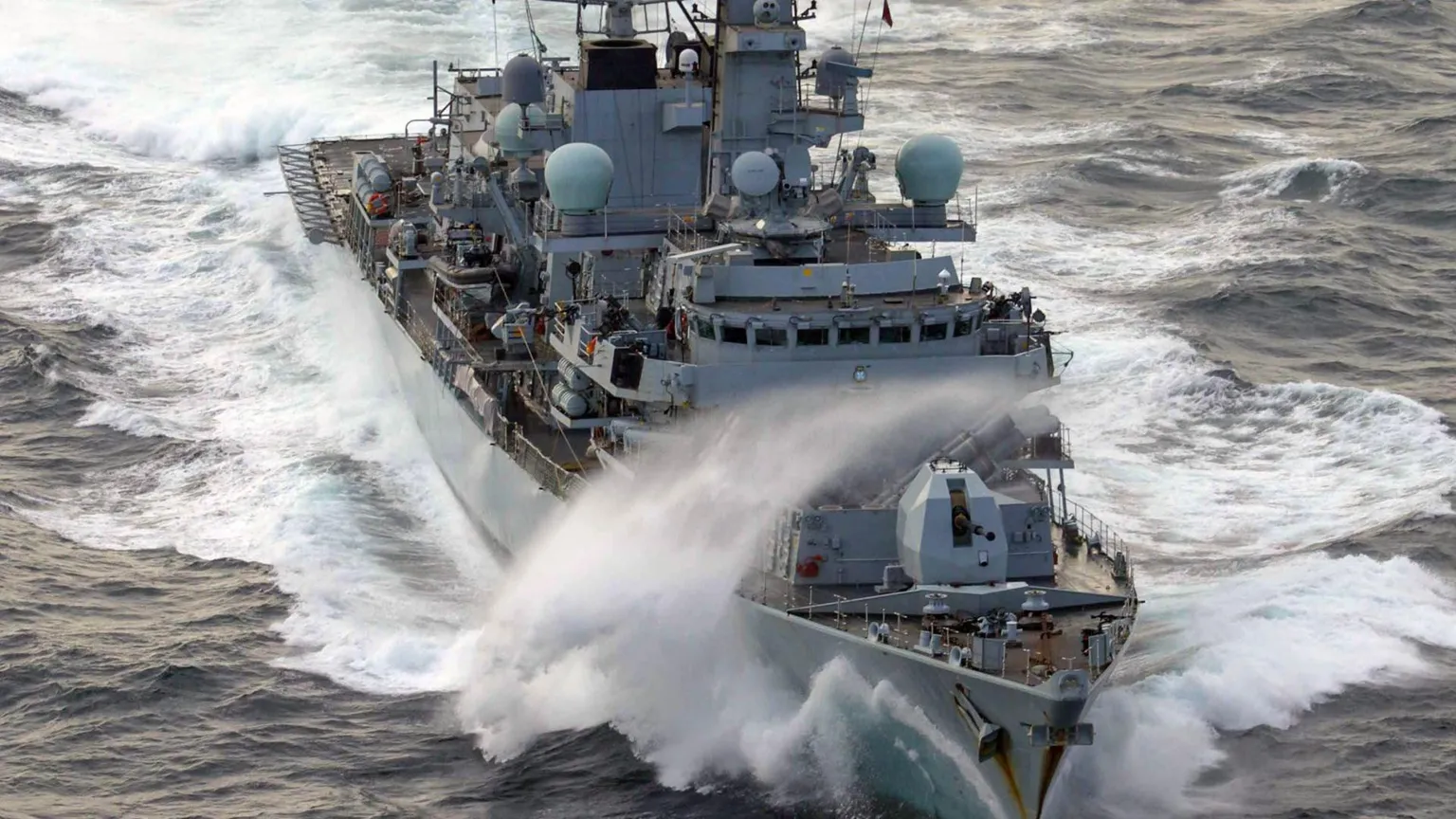
The flashpoint unfolded in early April 2026, when UK forces detected three Russian submarines and a frigate operating near critical cables and pipelines in the North Atlantic and English Channel. According to reports from the Kyiv Independent and MyJoyOnline, the UK Ministry of Defence confirmed it "foiled" an undersea operation, deploying anti-submarine warfare assets including P-8 Poseidon aircraft and Merlin helicopters. The Straits Times detailed how Royal Navy vessels shadowed the intruders, issuing stern warnings to prevent any approach to sovereign waters.
Russia's response was defiant. On April 9, 2026, the Kremlin asserted its "right to defend itself from piracy," linking the submarine presence to escorts for sanctioned oil tankers transiting the English Channel. Ukrainska Pravda reported this as "protection against piracy," amid Western sanctions biting into Moscow's energy exports. Newsmax echoed the narrative, portraying UK actions as aggressive shadowing. These tanker movements echo broader Gulf Geopolitics After Middle East Strike, where sanctions create ripple effects across global energy routes.
Patterns emerge clearly: this isn't isolated. Russian naval activity has surged post-Ukraine invasion, with submarines mapping undersea routes as hybrid warfare. Unlike overt espionage focuses in prior coverage, these incursions target infrastructure vulnerabilities—cables prone to accidental or deliberate cuts, pipelines susceptible to anchors or explosives. Technological chokepoints abound: many cables lack robust burial depths (often just 1-2 meters in shallow seas), and detection relies on aging sonar arrays. The Yle News report from Finland highlighted UK tracking of the subs' "secret operation," revealing coordinated movements that suggest reconnaissance for future disruptions.
This escalation ties to sanctions' bite—Russia's shadow fleet of tankers, evading G7 price caps, requires naval protection, funneling subs into NATO chokepoints. Without repeating stock market or Iran angles, the pattern signals a response to economic isolation: bolder gray-zone tactics to probe Western resolve while avoiding full conflict.
Historical Context: Escalating Tensions in the Atlantic
To grasp the continuum, rewind to early 2026. On January 11, UK launched a soldier recruitment scheme amid "war fears," signaling early preparedness for hybrid threats. This built on January 13 and 20 events: China's London embassy sparked spy alarms, only for approval of a mega-embassy to proceed, illustrating a multi-threat landscape. By January 28, Rwanda's arbitration over the asylum deal added diplomatic friction, but the pivot was February 26: Russian tankers triggered NATO alarms, prompting military scrambles in the Channel— a direct precursor to submarine forays.
This timeline paints Russia's assertiveness: from tanker provocations to sub incursions, it's a pattern of testing NATO's undersea flanks. The UK-Ukraine defense pact (March 18) and arrests of Iranian spies (March 20) amplified focus, contrasting China's embassy saga by sharpening NATO's North Atlantic lens on Moscow. Recent events like April 8's UK party visa ban and April 1's Iranian threat bracing underscore interconnected tensions, but submarines mark the underwater escalation. These dynamics parallel US-Iran Tensions After Middle East Strike, highlighting persistent global friction points.
Historically, Cold War "cat-and-mouse" sub hunts echo today, yet climate shifts the board—Arctic routes contested since Russia's 2007 flag-planting now viable year-round.
Original Analysis: Environmental and Technological Implications
Here's the underexplored nexus: Russian subs exploit dual vulnerabilities—technological frailties and climate-amplified geopolitics. Undersea cables, totaling 1.4 million km globally, carry $10 trillion daily in financial transactions; a Baltic Sea cut in 2024 already disrupted services. Pipelines face similar perils: North Sea fields supply 40% of UK gas. Russian Yasen-M subs, with pump-jet propulsion for near-silent running, thrive in warming oceans where thermoclines (temperature layers) mask sonar pings.
Climate change supercharges this. Arctic sea ice loss—down 13% per decade—opens Northern Sea Route, slashing Russia's transit times by 40%. Warmer Atlantic waters (up 0.5°C since 1980) alter acoustics, per NOAA data, aiding stealth. Storms intensified by climate erode cable protections, as seen in Tonga 2022.
Economically, disruptions loom large. A Severodvinsk-style incident could spike energy prices 20-30%, per inferred patterns from Nord Stream. Global trade routes via Atlantic chokepoints risk halts, costing billions daily. Tech-wise, AI-driven detection (e.g., UK's Project Ceres sonar nets) lags Russia's AI-sub autonomy. Environmentally, sub noise harms marine life—whale strandings up 20% in militarized zones—tying military to ecological fallout. As outlined in our Global Risk Index, these undersea threats are climbing in priority for 2026.
This intersection demands hybrid defenses: quantum sensors for cable monitoring, NATO's "Undersea Infrastructure Coordination Cell."
Predictive Outlook: Future Scenarios for UK and NATO
Looking ahead, expect heightened NATO joint patrols—Exercise Dynamic Manta expansions in 2026 Q3. UK policies will revise for undersea primacy: £5bn AUKUS-inspired sub hunter drones by 2027. Escalations? Persistent incursions could spark diplomatic expulsions or cyber-retaliations targeting Russian fleets.
Long-term: climate-induced shifts forge UK-EU pacts, like post-Brexit defense corridors. Arctic militarization accelerates, with Russia basing more subs at Severomorsk. Watch triggers: May NATO summit resolutions, June tanker convoys.
Catalyst AI Market Prediction
The World Now's Catalyst AI engine, analyzing these undersea tensions amid broader geopolitics (e.g., Ukrainian strikes on Russian oil, Iranian risks), forecasts:
- OIL: + (high confidence) — Ukrainian strike on Russian terminal and chokepoint fears curb supply. Precedent: 2019 Aramco attacks (+15%). Risk: Quick repairs.
- SPX: - (medium confidence) — Risk-off from energy shocks hits airlines (5-10% weight). Precedent: 2019 Boeing (-2% SPX).
- USD: + (low confidence) — Safe-haven flows. Precedent: 2022 Ukraine (+2% DXY).
- BTC: - (medium confidence) — High-beta selloff. Precedent: 2022 (-10%).
- ETH: - (medium confidence) — BTC correlation (-12% precedent).
- XRP: - (low confidence) — Crypto cascades (-10%).
- SOL: - (low confidence) — Leveraged unwind (-15%).
- TSM: - (low confidence) — Trade fears (-5%).
Predictions powered by The World Now Catalyst Engine. Track real-time AI predictions for 28+ assets. For more on Catalyst AI — Market Predictions.
Further Reading
- Asia's Sub-Regional Alliances After Middle East Strike: A Quiet Revolution Amid Global Chaos
- Strait of Hormuz After Middle East Strike: The Hidden Threat to Global Food Security and Supply Chains Amid Geopolitical Tensions
- Asia's Overlooked Role in Persian Gulf Geopolitics After Middle East Strike: From Hormuz Tensions to Regional Stability