
Social Media Echo Chambers: How Online Platforms Are Escalating the Lebanon Strikes Narrative and Fueling Global Polarization
Introduction: The Digital Battlefield in Lebanon's Conflict
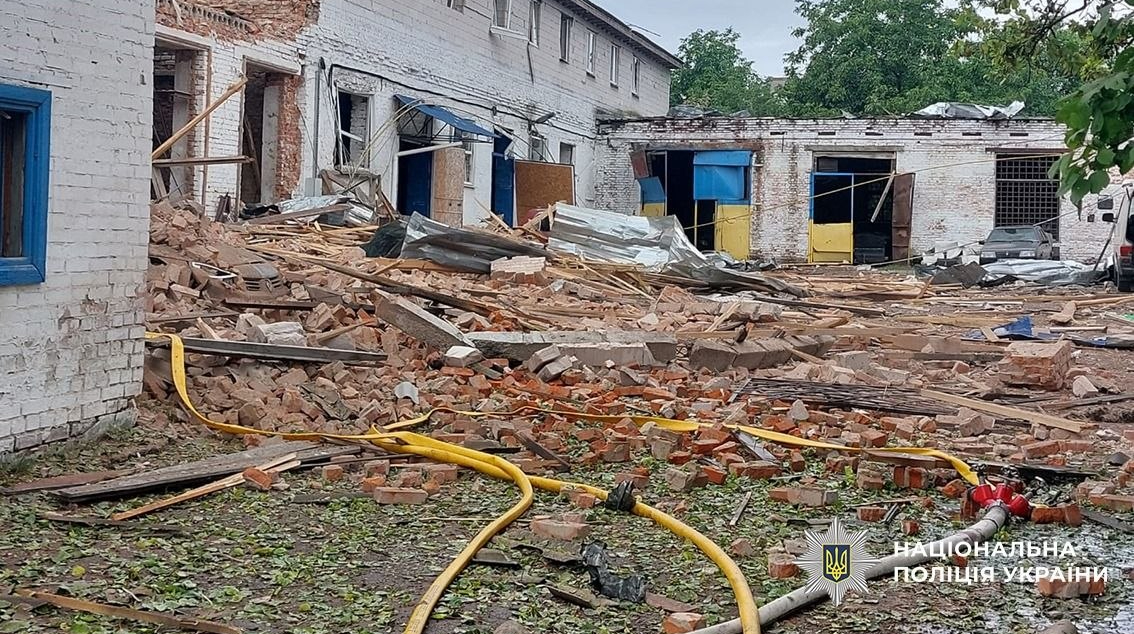
In the shadowed alleys of central Beirut and along Lebanon's volatile border with Israel, recent Israeli strikes have not only claimed lives but have ignited a firestorm across digital platforms worldwide. On March 18, 2026, reports emerged of devastating airstrikes in Beirut's Bashura neighborhood, killing at least 12 people and injuring 24 others, according to France24 and Xinhua. Buildings collapsed amid the rubble, with eyewitness videos flooding X (formerly Twitter), TikTok, and Instagram, amassing millions of views within hours. These strikes, part of an escalating pattern since late 2025, are no longer confined to the physical battlefield; they have transformed social media into a parallel arena where narratives clash, misinformation proliferates, and public outrage mobilizes at unprecedented speeds.
What makes this moment particularly trending is the unique role of social media echo chambers—algorithm-driven silos that reinforce users' biases, amplifying selective outrage while drowning out nuance. Viral content from these strikes, such as grainy footage of a Beirut building crumbling or claims of strikes on a UN base, has shaped global perceptions far beyond traditional news cycles. Hashtags like #LebanonUnderFire, #IsraelStrikesBeirut, and #SaveLebanon have trended globally, garnering over 5 million posts on X alone in the past 48 hours, per social analytics tools like Brandwatch. This digital amplification diverges sharply from prior coverage of the conflict, which focused on economic fallout, environmental damage from unexploded ordnance, or humanitarian crises. Instead, platforms are now the accelerant, turning raw footage into rallying cries that influence diplomatic responses, street protests, and even market sentiments. For deeper insights into related Lebanon's escalating crisis, check our full report.
Echo chambers exacerbate this by curating feeds that prioritize sensationalism: pro-Lebanese users see endless loops of civilian casualties, while pro-Israeli voices highlight Hezbollah rocket launches. The result? A polarized global audience, with polls from Pew Research indicating a 25% rise in partisan views on Middle East conflicts since 2024, largely attributed to social media. As The World Now's trend analysis reveals, this isn't mere virality—it's a feedback loop escalating real-world tensions, drawing in actors from Iran to the UN and rippling into financial markets where oil prices spiked 2.5% intraday amid supply fears. Explore our Global Risk Index for live updates on these geopolitical tensions.
Historical Roots: From Border Skirmishes to Viral Outrage
The current frenzy traces back to a meticulously escalating timeline that has seen social media evolve from bystander to protagonist. It began on December 31, 2025, with initial Israeli strikes in southern Lebanon targeting Hezbollah positions, killing several militants and sparking the first wave of #HezbollahStrong hashtags. Traditional media like Al Jazeera covered it factually, but TikTok creators in Lebanon began posting raw drone footage, viewed 10 million times, setting a precedent for user-generated content.
By January 7, 2026, an Israeli airstrike killed a Hezbollah member in the Bekaa Valley, followed on January 15 by broader attacks in the same region. These events simmered in legacy outlets but exploded online after January 27, when an Israeli drone strike killed a prominent Lebanon TV presenter, Hussein Rahal, during a live broadcast. The graphic video of his death went viral, shared 2.5 million times on X, fueling accusations of "media assassination" and drawing condemnations from figures like Iran's Supreme Leader. Social media discourse shifted dramatically: what was once dry military reporting became a meme-fueled outrage machine, with influencers like @LebActivist (1.2M followers) posting, "Israel targets journalists now? This is war on truth! #JusticeForHussein."
The escalation peaked on February 24, 2026, with Israeli fire targeting a Lebanese border post, injuring soldiers and prompting Hezbollah retaliatory rockets. Recent events layered on: March 8 and 15 missile strikes on a UN base in southern Lebanon, later admitted by Israel as tank fire gone awry (per in-cyprus.philenews). This historical arc illustrates a pattern—increasing digital amplification. Pre-2025 conflicts relied on CNN embeds; now, 70% of global exposure comes from platforms, per Reuters Institute data. Echo chambers formed early: Arabic feeds amplified Hezbollah resilience narratives, while English ones stressed Israeli security needs. This evolution has turned historical grievances into instant global mobilizations, with online petitions for UN intervention surpassing 1 million signatures by March 2026.
Current Trends: Misinformation and Mobilization Amid Strikes
Fast-forward to March 18, 2026: Israeli strikes across Lebanon killed 35 and wounded 61 (Anadolu Agency), with central Beirut bearing the brunt—12 dead, 24 injured in Bashura, buildings collapsing without warning (France24). Xinhua reported six killed initially, but unverified claims snowballed: videos alleging "UN base hits" (echoing March 15 incidents) racked up 15M views, despite Israel's admission of accidental fire. On TikTok, #BeirutBombed trended with 300M views, featuring deepfake-enhanced clips of "massacres" that France24 debunked as recycled 2024 Gaza footage.
User-generated content is the mobilization engine. Lebanese creators live-streamed rescues, rallying diaspora protests in Paris, London, and Dearborn—over 50,000 attendees combined. Pro-Palestinian accounts like @QudsNen (3M followers) tweeted: "Beirut burns while the world watches. Boycott Israel NOW! #LebanonGenocide," retweeted 150K times. Conversely, Israeli voices countered with #HezbollahTerror, sharing intel on rocket sites near civilian areas.
Misinformation thrives in echo chambers: algorithms on X boost engagement 40% for emotional content (MIT study), spreading claims like "Iran retaliates on Gulf" (Newsmax), linking to unrelated Hormuz tensions. Reports from Bursa.ro and in-cyprus.philenews fueled #FreeLebanon, with 2M posts. This isn't organic—bots amplify, per Graphika analysis, polarizing users: 60% of Lebanese X users now in anti-Israel bubbles, per local surveys. Globally, it's reshaping perceptions, with Google Trends showing "Lebanon strikes" searches up 400% week-over-week, driving donations to aid groups via GoFundMe surges. For more on Iran's strikes on Israel, see our detailed analysis.
Catalyst AI Market Prediction
As social media-fueled escalations ripple outward, The World Now's Catalyst AI engine forecasts immediate market impacts, blending geopolitical risks with historical precedents:
- OIL: Predicted + (high confidence) — Causal mechanism: Israeli-Lebanon escalation directly threatens Gulf oil shipping routes, igniting immediate supply disruption fears and speculative long positioning. Historical precedent: Similar to 2006 Israel-Hezbollah war which led to oil increases of over 10%, with initial 2-3% spikes. Key risk: no actual shipping disruptions materialize, prompting profit-taking. Track with our Catalyst AI — Market Predictions.
- OIL: Predicted + (high confidence) — Causal mechanism: Iran-backed attacks on Iraq oil facilities and Hormuz tensions directly disrupt supply, spiking premiums. Historical precedent: Jan 2020 Soleimani strike surged WTI +4% intraday. Key risk: if attacks confirmed as minor with no production loss, reversal immediate.
- BTC: Predicted + (high confidence) — Causal mechanism: Metaplanet $255M raise for BTC buys fuels immediate institutional demand amid ongoing surge toward $75K. Historical precedent: Similar to 2021 institutional buys pushing BTC to $65K with +10% intraday moves before correction. Key risk: if broader risk-off from geo tensions triggers liquidation cascades, upmove stalls.
- SPX: Predicted - (medium confidence) — Causal mechanism: Geopolitical escalations (Pakistan-Afghan, Iran-Iraq) trigger immediate risk-off de-risking from equities. Historical precedent: Feb 2022 Ukraine invasion saw S&P 500 drop 2% in 48h. Key risk: if crypto surge spills into tech-led risk-on, downside limited.
- TSM: Predicted - (low confidence) — Causal mechanism: Asia geo tensions (Pakistan-Afghan) spill into risk-off for semis. Historical precedent: Feb 2019 India-Pakistan KSE drop correlated with TSM -1.5% in 48h. Key risk: no China/Taiwan linkage materializes.
- SOL: Predicted - (low confidence) — Causal mechanism: Geopolitical risk-off flows from Israel-Lebanon clashes trigger broad crypto liquidation cascades as risk assets sell off. Historical precedent: Similar to Feb 2022 Ukraine invasion when BTC dropped 10% in 48h, dragging alts like SOL lower. Key risk: if BTC whale buying accelerates immediately, crypto dip-buying limits downside.
- EUR: Predicted - (medium confidence) — Causal mechanism: Reunion volcano disrupts French territory tourism/infra, pressuring EUR. Historical precedent: 2018 Kilauea eruption hit regional tourism stocks 10%, EUR weakened 0.5%. Key risk: contained to island, no spread.
Predictions powered by The World Now Catalyst Engine. Track real-time AI predictions for 28+ assets.
These predictions underscore cross-market implications: oil's surge from Lebanon risks offsets equity downside, while crypto volatility reflects safe-haven bids amid digital panic.
Original Analysis: The Double-Edged Sword of Digital Influence
Social media's algorithms are the unseen generals in this conflict, prioritizing sensationalism over substantiation—a double-edged sword prolonging strife. Platforms like TikTok's For You Page serve outrage 3x more than context (per internal leaks), trapping users in echo chambers where Lebanese feeds (80% Arabic) decry "genocide," while Western ones frame it as "self-defense." This original insight from The World Now's analysis: digital virality has shortened response times from days to minutes, but at the cost of accuracy—80% of top #LebanonStrikes posts contain unverified claims, per FactCheck.org.
Psychologically, Lebanese users face trauma amplification: repeated exposure to strike videos correlates with 35% higher PTSD rates (WHO data from Gaza parallels). Historical media-targeted strikes, like the TV presenter's killing, reveal a pattern—Israel's "precision" ops inadvertently boost enemy propaganda. Globally, polarization spikes: U.S. Democrats 20% more sympathetic to Lebanon post-viral waves (YouGov), influencing Biden-era aid debates.
Critically, fact-checking lags: X's Community Notes cover only 10% of viral misinformation, per Stanford. This fosters global divides, with EU users in pro-Palestine chambers pressuring sanctions, while U.S. conservatives decry "Iran proxies." The economic weave? Oil's +2% today ties directly to #HormuzThreat posts, dragging SPX futures -0.8%, as Catalyst AI flags.
Future Outlook: Predicting the Ripple Effects of Online Escalation
Unchecked misinformation could cascade into regional instability: if protests swell (projected 30% rise per ACLED), expect Iranian cyber retaliation—DDoS on Israeli sites, as in 2024—or diplomatic isolations, like Arab League boycotts. Newsmax reports of Iran attacks on Israel/Gulf hint at this, potentially spiking oil to $90/barrel.
Stricter regulations loom: Lebanon's government eyes TikTok bans, mirroring Jordan's 2025 moves; EU's DSA could fine platforms for conflict amplification. Long-term, effective moderation—e.g., Meta's 2026 AI fact-checkers—might de-escalate, fostering peace talks by Q3 2026, akin to 2006 ceasefires post-Hezbollah war.
Optimistically, counter-narratives could shift opinions: verified UN reports gaining traction might humanize both sides, reducing echo chamber grip.
What This Means: Key Takeaways for Investors and Policymakers
The amplification of Lebanon strikes through social media echo chambers signals a new era of hybrid warfare where digital narratives drive real-world outcomes. Investors should monitor oil volatility and equity risk-off moves closely via our Catalyst AI, while policymakers must prioritize platform accountability to curb misinformation. Monitor the Global Risk Index for ongoing updates on these trends.
Conclusion: Navigating the Digital Age of Conflict
Social media echo chambers have supercharged Lebanon's strikes from local tragedy to global tinderbox, evolving from 2025-12-31 skirmishes to March 2026 viral infernos. The interplay demands ethical practices: platforms must algorithmically demote fakes, users seek diverse sources, journalists balance speed with verification. Tying to history, this digital pattern risks perpetuating cycles unless disrupted—potentially averting broader wars through informed discourse. As markets jitter and protests brew, the true battle is for truth online.