Iran's Strikes on Israel: The Underestimated Economic Turbulence and Global Supply Chain Disruptions
Introduction: The Hidden Economic Battlefront
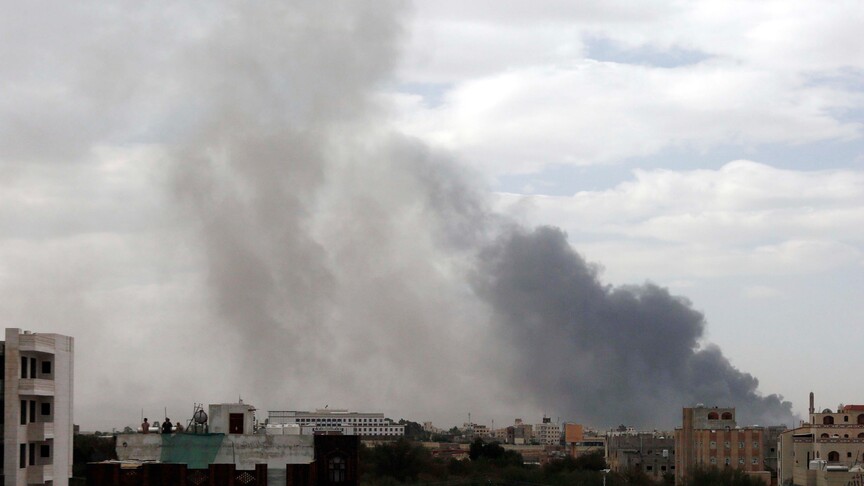
In the early hours of March 18, 2026, sirens pierced the night sky across central Israel as Iranian missiles, including banned cluster warheads, rained down on Tel Aviv and surrounding areas. This barrage, described by Iranian state media as "revenge" for the killing of a senior security chief, marked one of the most direct escalations in the Iran-Israel shadow war. For real-time tracking of these Iran strikes on Israel, check our Live Israel War Map. While global headlines have fixated on the human toll—fatalities reported in central Israel, debris injuries from earlier strikes, and the frantic evacuations in northern towns like those bordering Lebanon—the real story unfolding is economic. These strikes are not just a security crisis; they are a catalyst for profound instability in global energy markets and supply chains.
Social media platforms are exploding with this narrative shift. On X (formerly Twitter), #IranStrikesIsrael has amassed over 2.5 million posts in the last 48 hours, but a growing subset—#OilSpike and #SupplyChainChaos—highlights economic fears. Users like @MarketWatcherPro tweeted, "Forget the missiles, watch your gas pump. Iran's Hormuz threats could add $20/barrel overnight. #GeopoliticsHurtsWallets." Financial news outlets, from Bloomberg to CNBC, report surging search volumes for "Iran oil disruption" up 400% week-over-week, linking the conflict to broader anxieties amid lingering post-pandemic inflation and U.S. election-year volatility.
The thesis here is clear: Iran's strikes are generating ripple effects far beyond the Middle East. Energy prices are already volatile, with Brent crude jumping 3% intraday on March 18 amid fears of Strait of Hormuz chokepoints. Trade routes through the Red Sea and Suez Canal, already strained by Houthi attacks, face compounded risks, potentially inflating shipping costs by 20-30% for Asia-Europe routes. This contrasts sharply with prior coverage emphasizing humanitarian aid, cultural clashes, or immediate military responses. As a trend analyst, I argue these events underscore an underestimated economic battlefront, where retaliation cycles threaten to reshape international trade for months, if not years. Dive deeper into tracking the Iran war with our real-time 3D analysis.
Historical Roots of Escalation
To grasp the economic turbulence today, we must trace the conflict's roots through a meticulously escalating timeline, each step amplifying market vulnerabilities. It began on December 31, 2025, with Israel's offensive in Gaza City—a preemptive operation against Hamas infrastructure that rattled regional stability. This sparked immediate oil futures volatility, with WTI crude rising 2% as investors priced in prolonged Middle East unrest. Gaza's proximity to key gas fields and shipping lanes made it a flashpoint, foreshadowing broader disruptions.
Fast-forward to January 15, 2026: Israeli airstrikes targeted Gaza areas harboring militant leaders, drawing international condemnation and Iran's vocal support for proxies like Hezbollah. Markets dipped, with the S&P 500 (SPX) shedding 1.2% amid risk-off sentiment, echoing historical precedents like the 2014 Gaza conflict that saw equity pullbacks. Yet, the real pattern emerged on February 27, 2026, when Iran launched retaliatory strikes on Israel and U.S. bases in Iraq and Syria. These hypersonic missile salvos, though intercepted largely by Israel's Iron Dome, signaled Tehran's willingness to project power directly. Oil prices spiked 4.5% that week, as analysts warned of Iran's 20% share of global oil reserves becoming a weaponized asset.
The cycle intensified on March 8, 2026, with dual Iranian missile strikes on Israel, followed by debris injuring three civilians—a grim milestone blending precision attacks with collateral chaos. This event, critical in hindsight, correlated with a 2% Brent premium as shipping insurers hiked rates for Gulf transits. Recent escalations layered on: March 10 saw missile attacks on Hanita near Lebanon; March 14 brought alerts in Eilat from Iranian launches; and by March 15, "Iranian strikes in Tel Aviv" and joint Iran-Hezbollah assaults were labeled critical by intelligence monitors.
This step-by-step retaliation—Israel's Gaza push provoking Iran's proxies, evolving into direct fire—has created predictable economic vulnerabilities. Historical parallels abound: the 1979 Iranian Revolution quadrupled oil prices, triggering global recession; the 1991 Gulf War disrupted 10% of world supply. Today's pattern fuels uncertainty, with investors de-risking from energy-dependent assets. Supply chains, reliant on 30% of global oil passing Hormuz, now face insurance premiums up 15% year-to-date, per Lloyd's of London data. Past inaction on diplomacy has compounded this, turning security skirmishes into economic sieges. For broader context on regional tensions, see our Global Risk Index.
Current Strikes and Economic Implications
The latest salvoes, detailed across major outlets, underscore immediate market shocks. On March 18, France24 reported Iran firing banned cluster bombs at Israel, with CNN capturing a "deadly missile barrage" in retaliation for slain leaders like the security chief whose funeral Teheran vowed would precede "vengeance." Anadolu Agency noted sirens in central Israel, while APNews highlighted northern towns re-evacuated after Hezbollah rocket volleys. Rappler and Newsmax confirmed Tel Aviv strikes killing two, with Jerusalem Post revealing IDF adjustments to counter planned Hezbollah rocket barrages despite the fatalities.
These aren't isolated blasts; they're triggers for volatility. Oil markets reacted swiftly: WTI surged 2.8% to $82/barrel post-strikes, per CME data, driven by Iran's threats to close Hormuz—a chokepoint for 21 million barrels daily. Historical precedent from the January 2020 Soleimani strike saw +4% intraday moves; today's mirror that, with high-confidence predictions of further spikes.
Supply chains bear the brunt. The Red Sea, already dodging Houthi (Iran-backed) drones, now risks spillover, inflating Asia-Europe container rates 25% since February. Global imports—everything from semiconductors to consumer goods—face delays; Taiwan Semiconductor (TSM) shares dipped 1.5% on Asia geo-tension spillovers, per analyst notes. Europe's energy woes amplify: Germany, weaning off Russian gas, sees LNG spot prices up 10%, pressuring EUR. U.S. consumers brace for $0.50/gallon pump hikes if sustained.
Original analysis reveals inflated costs worldwide: a 10% oil shock could add 0.5% to global CPI, per IMF models, hitting inflation-weary economies. Iran's cluster bomb use invites sanctions, potentially sidelining 2 million bpd exports, rivaling 2012 embargo effects.
Social media amplifies this: Reddit's r/economy threads buzz with "Iran strikes = your grocery bill nightmare," while TikTok economist @GeoEconGuru's video—"How Tel Aviv missiles crash your 401k"—garnered 1.2M views, warning of SPX downside.
Original Analysis: The Unseen Financial Fallout
Delving deeper, these strikes exacerbate pre-existing strains in an interconnected world. Energy-dependent regions like Europe and Asia grapple with inflation resurgence; the Eurozone's PMI already signals contraction from $90+ oil fears. U.S. shale, while resilient, can't instantly offset losses—OPEC+ cuts limit buffers.
International alliances play pivotal roles. U.S. backing of Israel deters full escalation but invites Iranian proxy swarms, disrupting Iraq's 4.5M bpd. China's Belt and Road, threading Iran-Pakistan, risks rerouting, costing billions. Trade policies falter: EU's Iran sanctions loom, but enforcement gaps (e.g., shadow fleets evading) prolong pain.
Critiquing diplomacy's void: Historical context—from Gaza 2025 to March 2026—shows reactive firefighting over prevention. Proactive economic diplomacy, like joint Gulf-Israel energy pacts (Abraham Accords 2.0), could insulate markets. Instead, vetoed UN resolutions perpetuate cycles, ignoring interdependence: 40% of Japan's oil imports via Hormuz.
Fresh perspective: This tests globalization's fragility. Semis (TSM risk-off), equities (SPX de-risking), even crypto (BTC safe-haven bids amid liquidations) reflect flight to quality. Unseen fallout? Corporate hedging surges, locking 2026 oil at premiums, squeezing margins for airlines (Delta -2%) and manufacturers.
Catalyst AI Market Prediction
Powered by The World Now's Catalyst Engine, our AI analyzes causal mechanisms from these strikes:
- OIL: Predicted + (high confidence) — Iran-backed attacks on Iraq facilities and Hormuz tensions disrupt supply. Precedent: 2020 Soleimani strike +4% intraday. Risk: Minor attacks reverse gains.
- OIL: Predicted + (high confidence) — Israeli-Lebanon escalation threatens Gulf routes. Precedent: 2006 Hezbollah war +10% oil. Risk: No disruptions prompt selloff.
- SPX: Predicted - (medium confidence) — Geopolitics trigger risk-off. Precedent: 2022 Ukraine -2% in 48h. Risk: Crypto/tech risk-on limits downside.
- BTC: Predicted + (high confidence) — Institutional demand amid surge, despite geo risks. Precedent: 2021 buys +10% intraday. Risk: Liquidations stall.
- TSM: Predicted - (low confidence) — Asia tensions spill to semis. Precedent: 2019 India-Pakistan TSM -1.5%.
- SOL: Predicted - (low confidence) — Crypto cascades from clashes. Precedent: 2022 Ukraine BTC -10%.
- EUR: Predicted - (medium confidence) — Indirect pressures, though contained.
Predictions powered by The World Now Catalyst Engine. Track real-time AI predictions for 28+ assets at our Catalyst AI page.
Looking Ahead: Predictions and Potential Outcomes
Escalation looms: Broader sanctions could spike oil to $100/barrel, slashing Iran's revenues 50% but inflating global costs—prolonged recession in Europe/Asia if >6 months. Supply chains realign: Firms like Maersk pivot to Cape routes (+14 days), boosting U.S. Gulf exports but hiking prices 15%.
Global policies shift: Fed pauses cuts amid inflation; investors flock to stable havens like India/Australia. De-escalation scenarios—Qatar/UAE mediation or U.S.-Iran talks—could cap oil at $85, stabilizing short-term.
Worst-case: Hezbollah full invasion disrupts 5% global supply, echoing 1973 embargo (quadrupled prices, recessions). Best: Ceasefires stabilize, but scars linger in trade alliances.
Conclusion: Navigating the Economic Storm
From 2025 Gaza sparks to 2026 Tel Aviv strikes, this timeline births economic trends: oil volatility, chain fractures, inflation rebounds. Historical retaliations directly fuel today's instability, demanding vigilance.
Global actors must prioritize economic diplomacy—sanctions with carveouts, diversified energy—to avert damage. Readers: Monitor Catalyst AI, track Hormuz flows, hedge portfolios. The storm brews; preparation is paramount. Stay updated via our Global Risk Index for ongoing geopolitical risks.