
Strike in Ukraine: Russia Conducts 1,100 Aerial Bomb Strikes This Week
Over the past week, Russia carried out 1,600 drone attacks, 1,100 aerial bomb strikes, and three missile strikes against Ukraine.[4] These figures, summarized by President Volodymyr Zelenskyy, underscore the intensity of the ongoing strike Ukraine campaign, with a heavy reliance on drones and aerial bombs marking a sustained aerial offensive across multiple fronts.
Overview of Recent Russian Attacks
The scale of Russian military operations against Ukraine over the past week has been substantial, as detailed in President Zelenskyy's summary.[4] Specifically, Russian forces launched 1,600 drone attacks, which represent a high-volume tactic aimed at overwhelming Ukrainian air defenses and targeting various positions across the country. In parallel, 1,100 aerial bomb strikes were conducted, indicating a significant deployment of glide bombs and other munitions dropped from aircraft, often from safer distances to minimize losses to Russian aviation assets. Completing this barrage were three missile strikes, which, though fewer in number, carry the potential for greater destructive impact due to their precision and payload capacity.[4]
This combination of attack types reflects a multifaceted aerial strategy employed by Russia. The predominance of drone attacks—totaling 1,600—highlights their role as a cost-effective means of attrition, allowing for persistent harassment of Ukrainian positions, infrastructure, and civilian areas without risking manned aircraft. Aerial bombs, numbering 1,100, further amplify this pressure, as they are frequently used in guided configurations to strike fortified targets or population centers. The three missile strikes, while limited, align with patterns of escalation seen in previous weeks, potentially reserved for high-value or hardened objectives.[4] Zelenskyy's public accounting of these strikes serves not only as an official tally but also as a call to highlight the resource intensity of the conflict, emphasizing the need for continued international support to bolster Ukraine's defensive capabilities.
In the broader context of the strike Ukraine dynamics, these numbers illustrate a week of relentless pressure. The drone component alone suggests a logistical effort involving thousands of launches, likely from multiple sites near the front lines and deeper within Russian territory. Aerial bomb strikes require coordinated air operations, often involving Su-34 bombers or similar platforms operating from standoff ranges. The missile strikes, possibly involving systems like Iskander or Kalibr, add a layer of long-range threat that complicates Ukrainian interception efforts.[4] This overview from Zelenskyy provides a critical benchmark for assessing the tempo of hostilities, revealing a pattern where volume compensates for precision in certain phases of the campaign.
Damage to Ukrainian Infrastructure
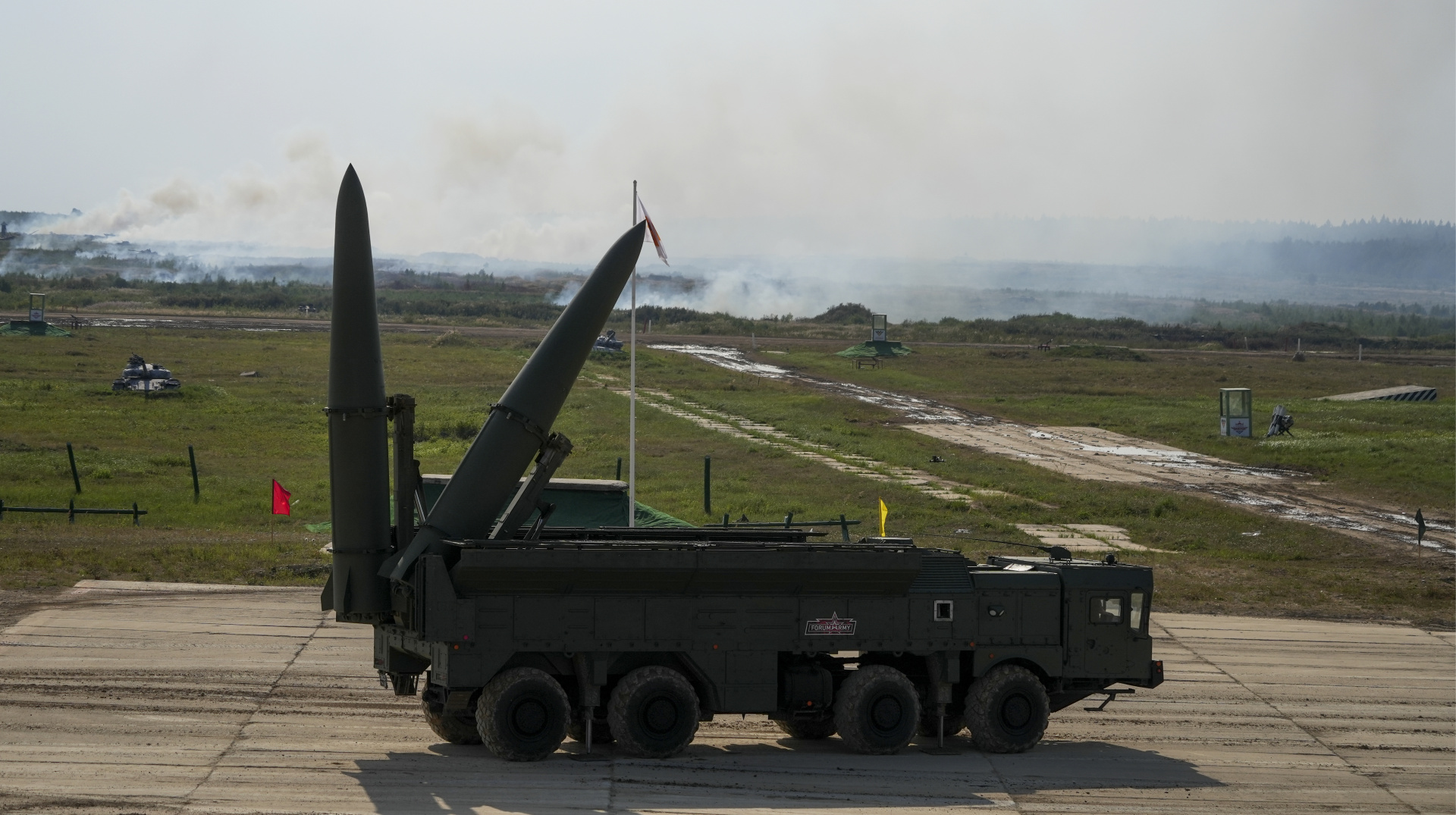
Ukrainian forces strike Russian Iskander systems, radar, and UAV command posts. — Source: ukrainskapravda
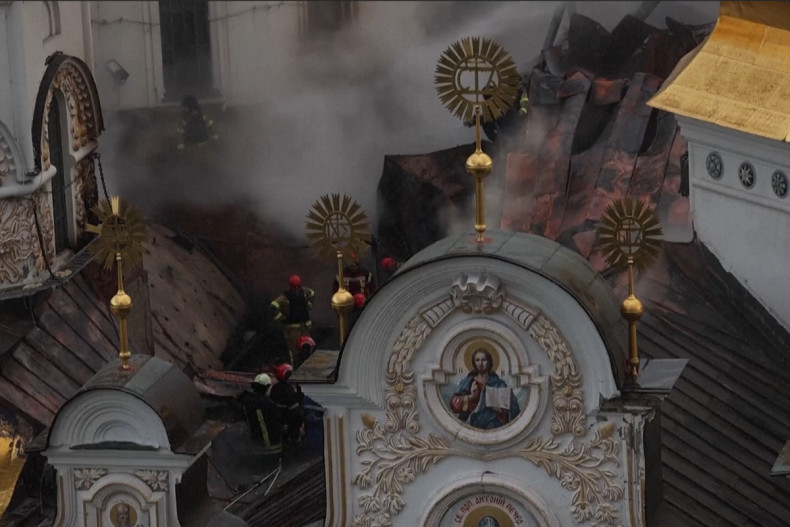
Russian forces have targeted critical infrastructure in Ukraine, with a notable incident involving an aerial bomb strike on a gas pipeline in Zaporizhzhia Oblast.[1] This attack marks the second consecutive day of strikes against facilities operated by Naftogaz Group, Ukraine's largest national oil and gas company, highlighting a pattern of deliberate assaults on energy infrastructure essential for civilian and industrial operations.[1]
The damage to the gas pipeline in Zaporizhzhia Oblast was caused by a Russian aerial bomb, disrupting a vital component of Ukraine's energy network.[1] Naftogaz Group, as the country's primary oil and gas entity, manages extensive pipelines and distribution systems that are crucial for heating, power generation, and industrial processes, particularly in frontline regions like Zaporizhzhia. Such strikes not only interrupt supply but also pose risks of secondary explosions or long-term leaks, complicating repair efforts amid ongoing hostilities. The fact that this was the second day in a row of attacks on Naftogaz infrastructure underscores a targeted campaign against Ukraine's energy resilience, potentially aimed at inducing shortages during seasonal demands or sowing economic disruption.[1]
In the context of the broader strike Ukraine operations, this incident exemplifies how aerial bombs are employed to hit fixed, high-impact targets. Zaporizhzhia Oblast, with its strategic position near the front lines and industrial hubs, has been a frequent focus for such strikes. The use of aerial bombs—likely unguided or glide variants—allows Russian aircraft to deliver ordnance from beyond the range of most Ukrainian surface-to-air systems, maximizing reach while minimizing exposure. Naftogaz's repeated targeting suggests intelligence-driven selection, where vulnerabilities in pipeline infrastructure are exploited to amplify the effects of each strike.[1] Ukrainian authorities have likely initiated emergency repairs and diversions, but the cumulative toll on energy assets continues to strain national resources.
Ukrainian Military Responses
Ukraine’s defence forces have conducted counter-strikes against key Russian military assets, including an Iskander tactical group, radar systems, and Russian UAV command posts.[2] According to the General Staff of the Armed Forces of Ukraine, these operations successfully hit an Iskander system, radar equipment, UAV depots, and a Russian command post, demonstrating proactive efforts to degrade Russian offensive capabilities.[2]
The strike on the Iskander tactical group represents a significant blow to Russia's missile arsenal, as Iskander systems are mobile, short-range ballistic missiles capable of carrying conventional or nuclear warheads with high accuracy.[2] Disabling such a group disrupts Russia's ability to conduct precision strikes deep into Ukrainian territory. Similarly, targeting radar equipment impairs Russian situational awareness, affecting air defense coordination and targeting for artillery or aviation. The hits on UAV depots and a command post further undermine drone operations, which have been central to the 1,600 drone attacks reported over the week.[2][4]
These Ukrainian responses, as reported by the General Staff, illustrate a doctrine of active defense, where long-range strikes—likely using systems like ATACMS, Storm Shadow, or indigenous drones—extend the battlefield. The inclusion of a UAV command post strike directly counters the drone-heavy Russian tactics, potentially destroying launch sites, control centers, or storage for Shahed-type munitions.[2] Radar systems, vital for early warning, when neutralized, create windows of vulnerability for Russian forces. This series of engagements reflects calculated retaliation, prioritizing high-value targets to impose costs and force resource reallocations on the opponent.
Events in Occupied Territories
Reports from occupied areas of Ukraine detail a range of developments, including evictions in Mariupol, additional strikes on Crimea, and instances of stolen grain.[3] These events paint a picture of ongoing tensions and resource extraction in regions under Russian control.[3]
Evictions in Mariupol, a city devastated by earlier fighting, signal continued displacement of residents, possibly to facilitate reconstruction on Russian terms or to repopulate with pro-Russian elements.[3] Mariupol has been a focal point since its capture, with reports of forced relocations exacerbating humanitarian challenges. More strikes on Crimea, the occupied peninsula serving as a Russian logistics hub, indicate Ukrainian efforts to interdict supply lines, with recent attacks likely targeting military installations or Black Sea Fleet assets.[3] The mention of stolen grain points to systematic looting of agricultural resources, a pattern where Ukrainian harvests are seized and exported to fund the war effort or bolster Russian markets.[3]
In the context of occupied territories, these reports from the Kyiv Independent highlight the multifaceted nature of the conflict beyond front-line clashes.[3] Evictions disrupt civilian life, strikes on Crimea escalate risks to Russian rear areas, and grain theft underscores economic warfare. Crimea, with its ports and airfields, remains a prime target for Ukrainian strikes, as severing these links hampers Russian sustainment. The grain issue reflects broader exploitation, where occupied farmlands are harvested under duress, impacting global food security narratives tied to the Black Sea region.
Incidents Involving Neighboring Airspace
A Russian drone briefly entered Romanian airspace during attacks on Ukraine, occurring on the night of 1-2 May.[5] This incursion, amid broader strike Ukraine operations, raises concerns about spillover effects into NATO territory.[5]
The drone's entry into Romanian airspace—Romania being a NATO member bordering Ukraine—highlights the risks of cross-border violations during intensified drone campaigns.[5] On the night of 1-2 May, as Russian forces pressed their attacks, the drone penetrated Romanian territory briefly before presumably returning to target Ukrainian positions. Romanian authorities likely scrambled jets or activated defenses, though no further escalation was reported.[5] This event is not isolated, fitting into a pattern where errant drones or deliberate probes test NATO resolve.
Such incidents complicate the aerial battlespace, where thousands of drones operate in proximity to borders. The timing aligns with the week's 1,600 drone attacks, suggesting volume increases the likelihood of overshoots.[4][5] For Ukraine, it underscores the need for robust air defenses, while for NATO, it prompts heightened vigilance without direct involvement.
What to watch next includes monitoring repairs to the damaged gas pipeline in Zaporizhzhia Oblast amid continued Naftogaz targeting, potential Ukrainian follow-up strikes on remaining Iskander assets, and developments in occupied areas like Mariupol evictions and Crimea strikes.[1][2][3]