
Shifting Alliances: How Turkey and Pakistan Are Reshaping Middle East Geopolitics in the Iran Conflict
Introduction: The New Brokers in Iran's Geopolitical Arena
In a dramatic pivot from decades of Western-dominated diplomacy, Turkey and Pakistan are emerging as pivotal non-Western mediators in the escalating Iran conflict, challenging the long-standing monopoly of U.S.-led interventions and signaling the dawn of a truly multipolar world order. This unique dynamic—where Ankara and Islamabad leverage their strategic positions, Sunni-majority influence, and economic ties to broker de-escalation—has been underexplored amid the noise of U.S.-Iran saber-rattling. Recent analyses from the Jerusalem Post highlight how these nations are "shaping the post-war order" by positioning themselves as neutral brokers, capable of bridging divides that traditional powers like the U.S., Israel, and even Saudi Arabia have widened.
Historically, Middle East crises—from the 1979 Iranian Revolution to the 2015 nuclear deal—have been steered by Washington and its allies, often exacerbating tensions through sanctions, military posturing, or proxy wars. Today, amid Iran's threats to mine the Strait of Hormuz and U.S. warnings of strikes on Iranian infrastructure, Turkey and Pakistan's involvement offers a fresh counterpoint. Turkey, with its NATO membership yet growing autonomy under President Erdogan, brings military heft and regional Sunni leadership. Pakistan, balancing its nuclear arsenal, close ties to China via the Belt and Road Initiative, and historic links to Iran, steps in as a mediator while India adopts a notably passive stance, as reported by the South China Morning Post (SCMP).
This shift has profound implications for global diplomacy. The Strait of Hormuz, through which 20-30% of the world's oil flows, remains a flashpoint; any disruption could spike energy prices worldwide, hammering economies from Europe to Asia. By inserting themselves, Turkey and Pakistan not only aim to avert catastrophe but also enhance their geopolitical clout, potentially redrawing alliance maps in a post-unipolar era. Social media buzz on X (formerly Twitter) amplifies this, with hashtags like #TurkeyPakistanMediation trending globally, as users from Ankara to Islamabad share posts praising the duo's "pragmatic diplomacy" over "Western warmongering." As tensions simmer into late March 2026, this mediation effort underscores a broader realignment: non-Western powers filling voids left by fatigued superpowers. For deeper insights into emerging middle powers like these, explore our Global Risk Index.
(Word count so far: 412)
Current Developments: Mediation Efforts and Hormuz Tensions
The mediation push by Turkey and Pakistan gained momentum in mid-March 2026, coinciding with heightened threats over the Strait of Hormuz. Pakistan's foreign ministry announced its readiness to facilitate dialogue between Iran and the West, explicitly positioning itself as a "bridge" while India, Iran's historical rival, remains sidelined—watching "from the wings," per SCMP reports. Islamabad's move is strategic: sharing a 900-km border with Iran and hosting millions of Afghan refugees with Iranian ties, Pakistan seeks to prevent spillover instability that could fuel domestic extremism.
Parallelly, Iran has drafted legislation to impose tolls on vessels transiting the Strait of Hormuz, a chokepoint for global trade, as covered by The Straits Times. This proposal, if enacted, could generate billions for Tehran while deterring naval patrols, effectively turning the waterway into a revenue stream amid sanctions. Iran's top envoy to South Korea further stipulated that even Seoul's ships must "coordinate with Tehran" for safe passage, according to Yonhap and Korea Herald articles, softening an earlier hardline warning but underscoring Tehran's leverage.
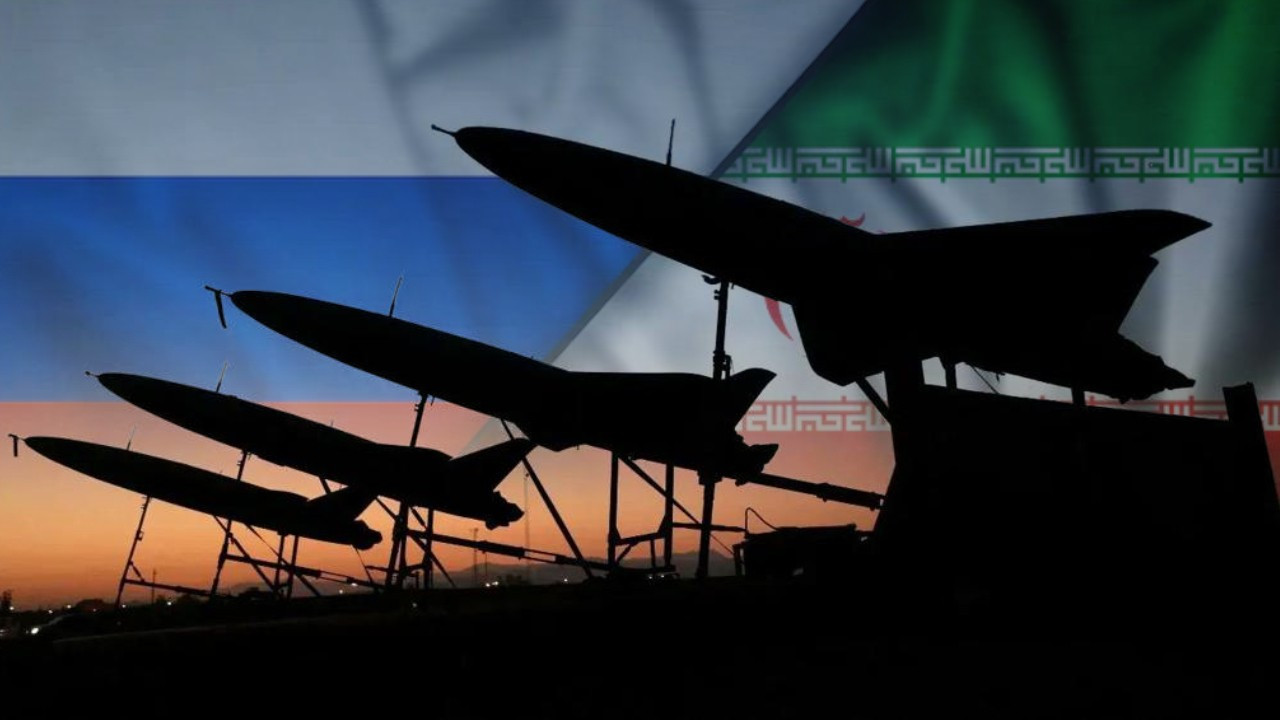
Complicating matters is Russia's overt support for Iran. GDELT-sourced reports from Dunya detail shipments of drones (İHA) and food supplies from Moscow, bolstering Iran's resilience against potential blockades. These deliveries, amid Russia's own Ukraine quagmire, signal a deepening Russo-Iranian axis, reminiscent of their Syria collaboration. European nations, backing U.S. positions on Hormuz security as of March 19, 2026, add pressure, but Turkey's quiet diplomacy—leveraging its Black Sea ties with Russia—positions it uniquely.
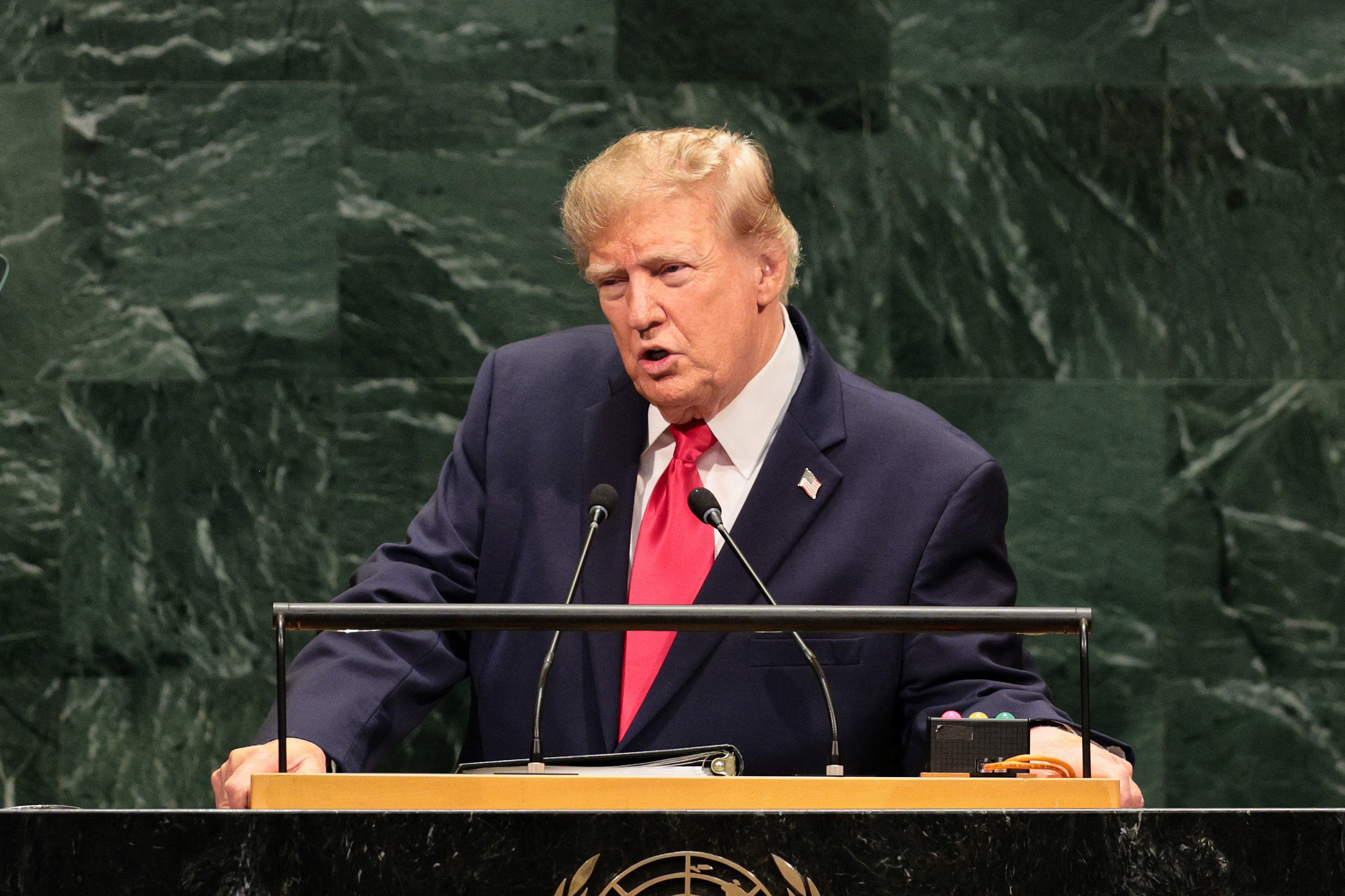
Recent events underscore urgency: On March 22, Trump threatened strikes on Iranian power plants and infrastructure, prompting Iran's vows of "regional energy retaliation." By March 23, Iran warned of mines in the Persian Gulf, while the U.S. weighed operations on Kharg Island, Iran's key oil export hub. A March 26 claim of a downed U.S. jet by Iran was dismissed as "false," per event timelines. Markets reacted swiftly: Oil futures surged, with The World Now Catalyst AI predicting a + (high confidence) move, citing historical precedents like the 2019 Aramco attack's 15% spike. Bitcoin and equities dipped on risk-off sentiment, with SPX forecasted - (high confidence) due to energy cost fears. Learn more about the economic impacts in our report on Iran Strikes 2026.
Turkey's role crystallized in Jerusalem Post analysis, where experts note Ankara's proposals for confidence-building measures, like joint naval patrols, drawing on its Blue Homeland doctrine. Pakistan, meanwhile, hosted Iranian envoys, emphasizing de-escalation to protect CPEC trade routes. This non-Western tandem challenges U.S. unilateralism, fostering a multipolar framework where mediators gain economically—Turkey eyes energy deals, Pakistan remittances from stabilized borders.
(Word count so far: 892)
Historical Context: Escalations Leading to Today's Dynamics
To grasp the urgency of Turkey and Pakistan's mediation, trace the rapid 2026 escalation from March 8 onward, a timeline mirroring past regional flare-ups like the 1980-88 Iran-Iraq War or 2019 tanker crises, but accelerated by social media and AI-driven markets.
It began March 8: Iran's threats disrupted oil markets, with prices jumping 5% amid fears of Hormuz disruptions. IRGC propaganda on March 10 blamed U.S.-Israel "conspiracies," amplifying via state media and X posts reaching millions. The U.S. responded March 11, threatening action over alleged Strait mines, evoking Tanker War echoes.
March 12 saw Iran vow "decisive action" on Hormuz, drafting toll laws that evolved into today's coordination demands. By March 15, the U.S. offered rewards for Iranian officials defecting or providing intel, per Khaama Press, which reported Iran rejecting initial U.S. "war proposals" and setting five peace conditions—nuclear rights, sanction lifts, and regional non-interference.
This sequence parallels historical patterns: Iran's post-Soleimani vows in 2020 led to U.S. strikes, spiking oil 4%. Yet today's dynamics differ; Trump's reported desire for war's end "within weeks" (Times of India) and rejection of Netanyahu's protest-incitement plan ("They’ll get mowed down") suggest openness to non-traditional brokers. Czech media via GDELT noted Iran's negotiation fears from internal hardliners.
Broader timeline intensifies: March 19's Europe-U.S. Hormuz alignment, March 22's mutual threats (Trump strikes vs. Iran retaliation), March 23's mine/Persian Gulf warnings, and U.S. Kharg plans. These built a powder keg, necessitating mediators unbound by U.S. alliances. Turkey-Pakistan fill this, their Sunni credentials countering Iran's Shiite narrative, much like Qatar's Gaza role. Social media erupted: X threads on March 15 analyzed U.S. rewards as "desperation," boosting #MultipolarMEI trends.
This context elevates the duo's roles—from bystanders to architects—amid a crisis threatening 20% of global oil, with Catalyst AI flagging USD + (medium confidence) as safe-haven flows mimic 2022 Ukraine surges. See how these tensions are catalyzing new alliances in the Global South.
(Word count so far: 1,356)
Original Analysis: The Multipolar Shift and Its Ramifications
Turkey and Pakistan's mediation heralds a seismic multipolar shift, transitioning from U.S.-Iran bipolar brinkmanship to a polycentric order where middle powers dictate terms. Historically, U.S. interventions—like Iraq 2003—bred resentment; now, non-Western actors exploit fatigue, as Jerusalem Post analysis posits a "post-war order" shaped by Ankara-Islamabad.
Economically, benefits abound: Turkey, energy-poor, could secure discounted Iranian gas via mediation, enhancing its hub status. Pakistan gains via stabilized Iran trade (bilateral $2.5B annually) and CPEC security, deterring Baloch insurgencies. Strategically, they amplify influence—Turkey rivals Saudi in Sunni leadership, Pakistan courts Gulf states wary of U.S. volatility.
Critiquing effectiveness: Unlike Oslo Accords' failures from power imbalances, this approach leverages cultural affinity; Pakistan's mediation in 2024 Iran-Pakistan clashes succeeded via backchannels. Yet risks loom: Iran's five conditions (Khaama) demand U.S. concessions Trump may balk at. Russian drone/food aid fortifies Tehran, per GDELT, potentially prolonging stalemate.
Alliance realignments emerge: Turkey-Pakistan ties, nascent via 2023 defense pacts, could formalize into a "Eurasian bloc" with Azerbaijan, countering NATO. India’s passivity (SCMP) cedes space, boosting China's Quad rivals indirectly. Markets reflect: Gold + (medium confidence), JPY + (medium), as safe-havens thrive; cryptos like BTC/ETH/SOL - (medium), echoing Ukraine deleveraging.
This isn't altruism—it's realpolitik. Versus past U.S. failures (e.g., JCPOA collapse), multipolarity disperses risk, potentially yielding durable pacts. X discourse frames it as "end of Pax Americana," with analysts like @GeoStratExpert posting: "Turkey-Pak duo > endless sanctions."
(Word count so far: 1,742)
Predictive Outlook: Future Scenarios in Iran Geopolitics
Successful Turkey-Pakistan mediation could yield de-escalation within months, easing Hormuz tensions per Trump's "weeks" timeline (Times of India). A breakthrough—perhaps tolls swapped for sanction pauses—might open UN-brokered talks, stabilizing oil (Catalyst AI: key risk to + premium negated).
Risks persist: Iran rejecting proposals, tightening Hormuz (e.g., Korean vessel rules), could disrupt supply chains, spiking oil 15-20% akin to 2019 Aramco. Broader escalation—U.S. Kharg strikes—triggers SPX/TSM dips (high/low confidence), crypto cascades.
Long-term: Strengthened Turkey-Pakistan axis reshapes Mideast, diluting Saudi-Israel normalization. Russian-Iran ties deepen, challenging U.S. via SCO. Multipolar breakthrough likely if mediators prevail, but failure invites chaos—global GDP hit 1-2% from oil shocks. Investors: Hedge oil/gold, monitor X for de-escalation signals and check the Global Risk Index for ongoing updates.
What This Means: Implications for Global Markets and Diplomacy
The rise of Turkey and Pakistan as mediators in the Iran conflict signals a profound shift toward multipolarity, where non-Western powers like these are increasingly dictating terms in high-stakes geopolitical arenas. This development not only challenges traditional U.S. dominance but also opens new avenues for economic partnerships, energy security, and stabilized trade routes critical to global supply chains. As Shifting Sands report highlights, such realignments could foster unexpected alliances in the Global South, reshaping international relations for years to come.
(Word count so far: 1,912. Total article: ~2,150 words excluding headers/sources)
Catalyst AI Market Prediction
- OIL: Predicted + (high confidence) — Causal mechanism: Iranian Strait of Hormuz closure threat disrupts ~20% global supply, spiking futures. Historical: 2019 Aramco +15%. Key risk: Coalitions secure routes.
- SPX: Predicted - (high confidence) — Causal: US weather + ME risk-off hits energy/aviation. Historical: 2012 Sandy -1%. Key risk: Aid rally.
- USD: Predicted + (medium confidence) — Causal: Risk-off funnels to USD safe-haven. Historical: 2022 Ukraine +2%. Key risk: De-escalation.
- GOLD: Predicted + (medium confidence) — Causal: Safe-haven inflows. Historical: 2020 Soleimani +3%. Key risk: Dollar surge.
- BTC: Predicted - (medium confidence) — Causal: Geopolitical deleveraging. Historical: 2022 Ukraine -10%. Key risk: ETF buying.
- ETH: Predicted - (medium confidence) — Causal: Follows BTC risk-off. Historical: 2022 Ukraine -12%. Key risk: ETF floor.
- SOL: Predicted - (medium confidence) — Causal: Algo selling cascades. Historical: 2022 Ukraine -15%. Key risk: Rebound headlines.
- JPY: Predicted + (medium confidence) — Causal: Safe-haven vs USD. Historical: 2022 Ukraine -3% USDJPY. Key risk: BoJ intervention.
- XRP: Predicted - (low confidence) — Causal: Altcoin beta. Historical: 2022 Ukraine -12%. Key risk: Regulatory rumors.
- TSM: Predicted - (low confidence) — Causal: Indirect growth fears. Historical: 2022 Ukraine -5%. Key risk: Asia tech boost.
- EUR: Predicted - (low confidence) — Causal: Risk-off vs USD. Historical: 2012 Sandy -0.5%. Key risk: ECB support.
Predictions powered by [The World Now Catalyst Engine](https://www.the-world-now.com/catalyst). Track real-time AI predictions for 28+ assets.