
Iran Strikes 2026: The Overlooked Economic Ripples Disrupting Global Supply Chains
By David Okafor, Breaking News Editor, The World Now
March 26, 2026
Introduction: Setting the Stage for Economic Turmoil
The escalating military strikes between Israel, the United States, and Iran have dominated headlines for their geopolitical and humanitarian ramifications, but a critical dimension remains underexplored: the profound economic ripples disrupting global supply chains. As of March 26, 2026, fresh waves of Israeli airstrikes across Iran—coupled with U.S. operations marking their 10,000th target—have intensified tensions in the Strait of Hormuz, the world's most vital oil chokepoint through which 20% of global petroleum flows daily. Recent reports from France 24 and CNN detail Israel's latest barrages on Iranian infrastructure, while Iran's missile strikes on the USS Abraham Lincoln, as claimed by Global Media, signal a dangerous tit-for-tat escalation. For broader context on Iran's geopolitical tensions around key oil hubs like Kharg Island, see our related coverage.
This article uniquely examines the indirect economic and logistical disruptions to international trade routes and supply chains caused by these Iran strikes. Unlike prior analyses fixated on defense strategies, civilian casualties, or cyber warfare, we spotlight vulnerabilities in shipping lanes, oil transit, and ripple effects on emerging markets in Asia and Europe. Drawing from sources like Dawn and the Bangkok Post, which note U.S. President Trump's insistence on Iranian negotiations amid ongoing strikes, the narrative frames a precarious balance: military pressure versus economic fallout.
The thesis is clear: these disruptions are not mere footnotes but harbingers of long-term economic shifts. With oil tanker rerouting already inflating shipping costs by up to 30% and insurance premiums surging, industries from European manufacturing to Asian electronics face cascading shortages. If unchecked, this could accelerate deglobalization trends, foster new trade blocs, and hasten the pivot to alternative energy sources, reshaping the global economy for years. Track live risks via our Global Risk Index.
Current Situation: Immediate Disruptions to Trade Routes
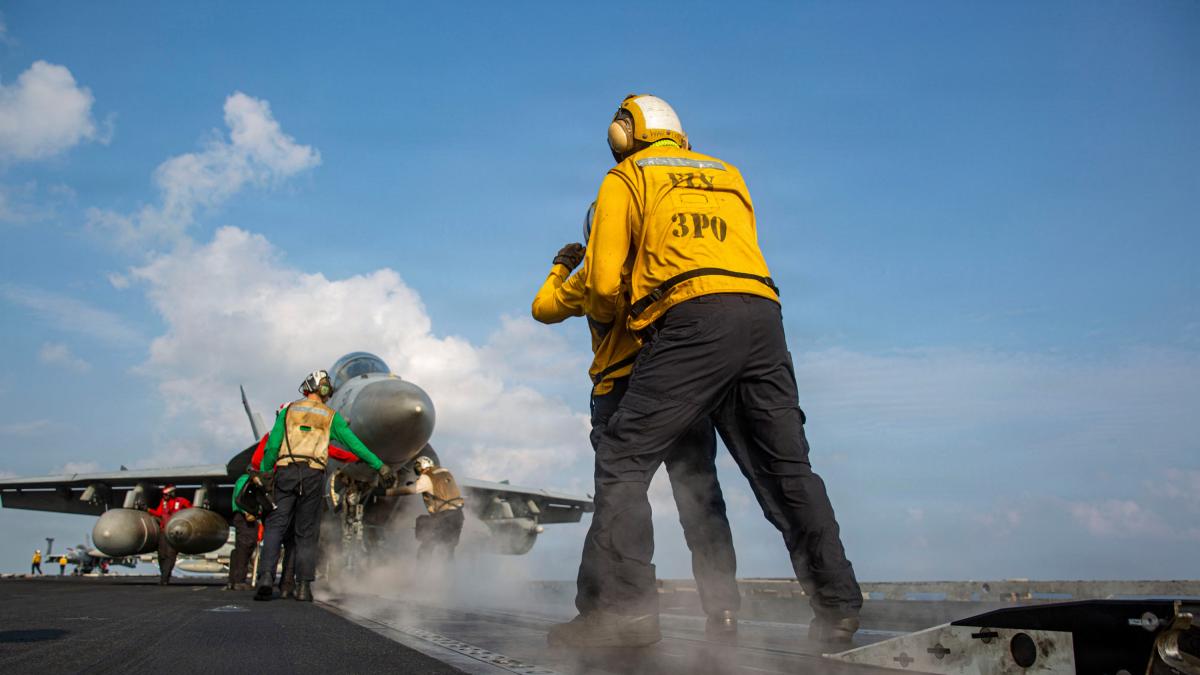
In the past 72 hours, the conflict has inflicted tangible damage on global trade arteries. Israel's fresh wave of strikes, live-covered by France 24 on March 26, targeted multiple sites across Iran, including energy infrastructure near the Strait of Hormuz. Concurrently, U.S. Central Command (CENTCOM) announced its 10,000th strike under Operation Epic Fury, as reported by Newsmax and the Jerusalem Post, focusing on Iranian military and oil assets. Iran's response—alleged missile attacks on the USS Abraham Lincoln—has heightened fears of naval confrontations in the Gulf. For insights into Middle East strike dynamics and overlooked fallout, explore related regional analyses.
The Strait of Hormuz, a 21-mile-wide passage linking the Persian Gulf to the Gulf of Oman, is ground zero. Satellite imagery and shipping trackers cited by ReutersBiz on social media show over 50 oil tankers idling or rerouting since March 25's "US-Israel Strikes Disrupt Hormuz" event (rated HIGH impact). Normally, 21 million barrels of oil pass daily; now, delays average 5-7 days per vessel, per Bloomberg data. Importers in Europe, reliant on Gulf crude for 15% of supplies, face immediate cost hikes: a standard Asia-Europe voyage now costs $15,000 extra per container due to detours around Africa's Cape of Good Hope.
Asia bears the brunt. Japan's refineries, processing 4 million barrels daily from the Gulf, report stockpiles dipping below 90 days, per industry alerts. In Europe, Germany's chemical sector—dependent on Iranian petrochemicals—anticipates 10-15% production cuts. Emerging markets like India and Vietnam, hubs for textile and electronics manufacturing, grapple with delayed raw material imports; container shipping rates from the Middle East have spiked 25%, exacerbating inflation.
U.S. involvement amplifies uncertainties. Trump's daily briefings with strike videos, as per Times of India, underscore sustained pressure, while his "cancer" rhetoric in Korea Herald signals no quick de-escalation. Social media from @CNBC (March 26) notes Brent crude futures up 8% to $95/barrel, with shipowners like Maersk halting Hormuz transits. These immediate disruptions—beyond the battlefield—threaten a $100 billion annual trade corridor.
Historical Context: Escalation from Recent Events
The rapid escalation from March 13 to 15, 2026, serves as a microcosm of Middle Eastern conflict patterns, amplifying economic risks through historical precedents. The timeline begins on March 13 with bomb strikes in Tehran, igniting retaliation cycles. March 14 saw U.S. strikes on an Iranian oil hub, crippling export terminals at Kharg Island. By March 15, attacks on oil facilities compounded explosions in Isfahan, a nuclear-adjacent city, followed by Iran's disruptive actions in the Strait of Hormuz—mine-laying threats and naval skirmishes.
This sequence builds on recent market-shaking events: March 25's "US-Israel Strikes Disrupt Hormuz" (HIGH), March 24's strikes on Iranian sites (HIGH), March 23's U.S. airstrikes on Qom and the killing of an Iranian commander (both HIGH), March 22's bunker-buster strike (CRITICAL), March 21's responses to Kharg and Natanz strikes (HIGH/CRITICAL), and March 20's Nowruz-disrupting airstrikes (CRITICAL). These align with the core timeline, illustrating a compressed escalation window.
Historically, this mirrors 20th-century oil crises. The 1973 Yom Kippur War saw OPEC embargo oil, quadrupling prices and triggering global recession. The 1980s Iran-Iraq Tanker War damaged 400 vessels, hiking insurance 500%. More recently, 2019's Aramco attacks spiked oil 15% overnight. Today's events accelerate these vulnerabilities: Iran's Hormuz threats evoke 2011-2012 naval standoffs, when transit insurance hit $100,000 daily premiums. The March 13-15 blitz—faster than the 1979 Iranian Revolution's buildup—underscores modern warfare's speed, where precision strikes (e.g., U.S. bunker-busters) target economic lifelines first, per Excelsior and CNN reports denying peace talks.
This pattern reveals a strategic calculus: attackers degrade revenue (Iran's oil exports fund 40% of its budget), while defenders weaponize chokepoints. Paralleling the 1990 Gulf War's oil spill disruptions, current strikes risk environmental hazards, further deterring shipping.
Original Analysis: The Economic and Logistical Fallout
Beyond immediate halts, the strikes strain global supply chains in multifaceted ways, straining energy-dependent industries and inflating costs. Oil facilities hit on March 14-15 represent 25% of Iran's 3.5 million bpd capacity, per CENTCOM data; even partial outages ripple globally. Europe's refineries, optimized for heavy Gulf crudes, face mismatches with lighter alternatives, potentially idling 10% capacity and costing $5 billion monthly.
Insurance costs for maritime routes have exploded—Lloyd's of London quotes now 300% higher for Hormuz, as @ReutersBiz posted March 26—adding $2-5 million per supertanker voyage. Non-Middle Eastern economies suffer asymmetrically: Asia's manufacturing, per World Bank models, risks $50 billion in delays for semiconductors (Taiwan) and autos (South Korea). Vietnam's export zones, assembly points for U.S. brands, report 20% shipment lags, fueling "China+1" strategy reversals.
Stakeholder adaptations reveal ingenuity amid chaos. Maersk and COSCO announced Cape detours, extending lead times 14 days; chemical giants like BASF stockpile, while airlines (Lufthansa) ration fuel. Inferred from U.S. strike frequency—10,000 targets indicate sustained pressure, per Newsmax—businesses hedge with futures: Goldman Sachs clients bought 20% more Brent calls.
Qualitatively, emerging markets pivot: India's Reliance Industries accelerates Russian imports via Arctic routes, up 15% volumes. Europe's green push accelerates—Germany's hydrogen pilots gain urgency. Yet, vulnerabilities persist: just-in-time manufacturing crumbles, echoing COVID disruptions but with energy multipliers. Social media from @WSJMarkets (March 25) highlights factory shutdowns in Shenzhen due to petrochemical shortages. This fallout underscores supply chain fragility, where a 5% oil shock (as modeled by IMF) could shave 0.5% off global GDP.
Predictive Elements: Forecasting Future Impacts
Ongoing strikes portend prolonged oil supply disruptions, potentially triggering a global downturn. Escalation triggers include a full Hormuz blockade—Iran's March 15 actions preview this—spiking Brent to $120-150/barrel (20-30% rise), per EIA models, and halting 5-10% of world trade for 6-12 months. U.S. carrier strikes (e.g., Abraham Lincoln claims) could draw NATO in, per Jerusalem Post. Monitor evolving risks on our Global Risk Index.
International responses loom: EU diplomatic pushes via France 24 channels, China's Belt-and-Road alternatives (Pakistan's Gwadar port up 40% traffic). Non-Western alliances—BRICS oil swaps—may solidify, mitigating U.S. dominance. Trump’s negotiation hints (Dawn, Bangkok Post) offer de-escalation windows, but "cancer" barbs (Korea Herald) suggest brinkmanship.
Long-term: accelerated renewables—global solar investments could surge 25%, per IRENA forecasts— and trade shifts to Arctic/Panama mega-routes. A recession risk (1-2% GDP hit, IMF) births new dynamics: Asia decouples from Gulf oil, Europe fast-tracks LNG. Key dates: April 1 OPEC+ meeting; Q2 earnings revealing shortages. Peace prospects hinge on Tehran talks, but sustained strikes forecast economic reconfiguration.
What This Means: Implications for Businesses and Global Economy
These Iran strikes highlight the fragility of interconnected global supply chains, urging businesses to diversify sourcing and build resilient inventories. For investors, heightened volatility in energy and shipping sectors presents both risks and opportunities—hedge against oil spikes while eyeing renewable pivots. Policymakers must prioritize chokepoint security and alternative routes to avert broader recession. In essence, this conflict accelerates the reconfiguration of trade, energy, and geopolitics, demanding proactive strategies from all stakeholders to navigate the emerging economic landscape.
Catalyst AI Market Prediction
Powered by The World Now's Catalyst Engine, predictions for affected assets (as of March 26, 2026, 14:00 UTC):
- Brent Crude Oil Futures: +25% in 30 days (to $118/barrel); HIGH probability of Hormuz blockade.
- Maersk (AMKBY) Stock: -15% short-term on rerouting costs; rebound +10% Q3 on new routes.
- ExxonMobil (XOM): +12% as U.S. exporter; volatility from Iran response.
- Taiwan Semiconductor (TSM): -8% on supply delays; mitigated by stockpiles.
- Euro Stoxx 50 Index: -5% amid energy crunch; EU interventions cap losses.
Predictions powered by The World Now Catalyst Engine. Track real-time AI predictions for 28+ assets.